
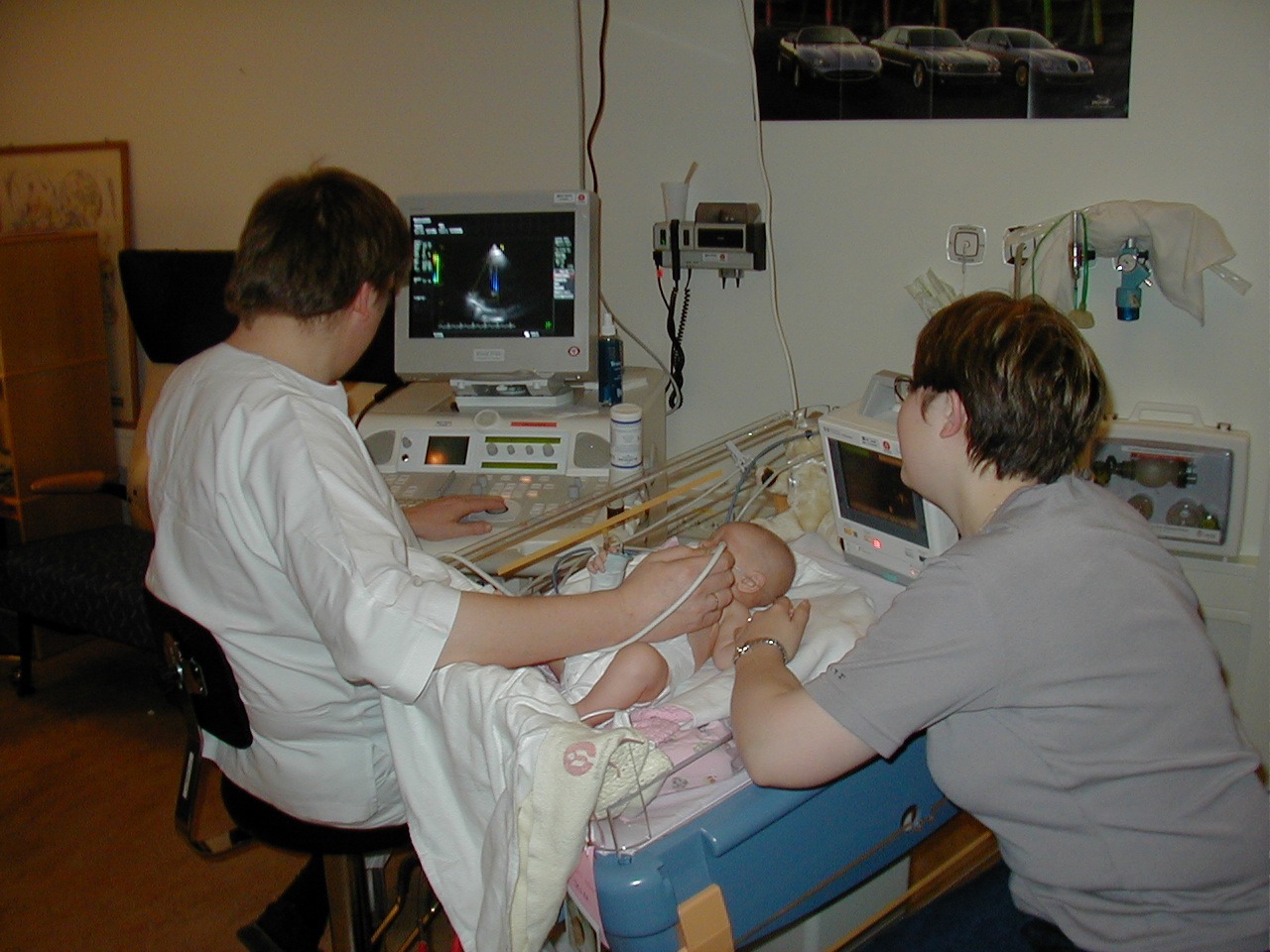
Artificial intelligence is currently reshaping how clinicians acquire, interpret, and act upon cardiovascular imaging, specifically within the field of echocardiography [1].
This shift matters because AI tools could standardize image quality and reduce human error in diagnosing heart conditions. By automating the more tedious aspects of cardiac imaging, these technologies may allow physicians to focus more on patient interaction and complex clinical decision-making.
In a recent discussion, Dr. Tim Poterucha and Dr. Kyle Klarich explored the evolution of these tools at the Mayo Clinic [1]. They addressed the transition from traditional imaging methods to AI-driven systems that can assist in the real-time capture of cardiac views. The integration of AI is intended to bridge the gap between varying levels of technician skill, ensuring a consistent baseline of image quality regardless of the operator [1].
Beyond image acquisition, AI is being applied to the interpretation phase. This involves using algorithms to analyze heart wall motion and chamber dimensions more precisely than the human eye might manage alone [1]. The doctors said that while the potential for efficiency is high, there is a necessary balance between adopting new tools and managing the hype surrounding the technology.
However, the transition is not without risks. The clinicians said the potential for over-reliance on automated systems could lead to a degradation of manual diagnostic skills over time [1]. There are also concerns regarding the transparency of how AI arrives at specific interpretations—a challenge often described as the "black box" problem in medical machine learning [1].
Despite these hazards, the clinical opportunities remain significant. The goal is to move toward a model where AI handles the quantitative heavy lifting, while the physician provides the final qualitative oversight and clinical context [1]. This partnership aims to increase the speed of diagnosis, and the accuracy of longitudinal tracking for patients with chronic heart failure or valve disease [1].
“AI is currently reshaping how clinicians acquire, interpret, and act upon cardiovascular imaging.”
The adoption of AI in echocardiography represents a move toward 'augmented intelligence' rather than total automation. By shifting the burden of measurement and standardization to algorithms, healthcare systems can potentially reduce diagnostic variability. However, the long-term success of this integration depends on maintaining clinician skepticism and ensuring that the human element remains the final arbiter of patient care.


