
Analysts discussed the Indian market's range-bound trading and positive bias during a CNBC-TV18 Closing Bell broadcast on May 14, 2026 [1].
This analysis comes at a critical juncture for investors as the session coincided with the weekly expiry day. The intersection of currency strength and energy price fluctuations often dictates short-term volatility in the region.
Dan Greenhaus of Solus, Gabriela Santos of JPMorgan, and Brian Belski of Humilis appeared on the program to provide a comprehensive look at the current financial landscape [1]. The panel focused on several key macroeconomic indicators that influenced the day's trading patterns.
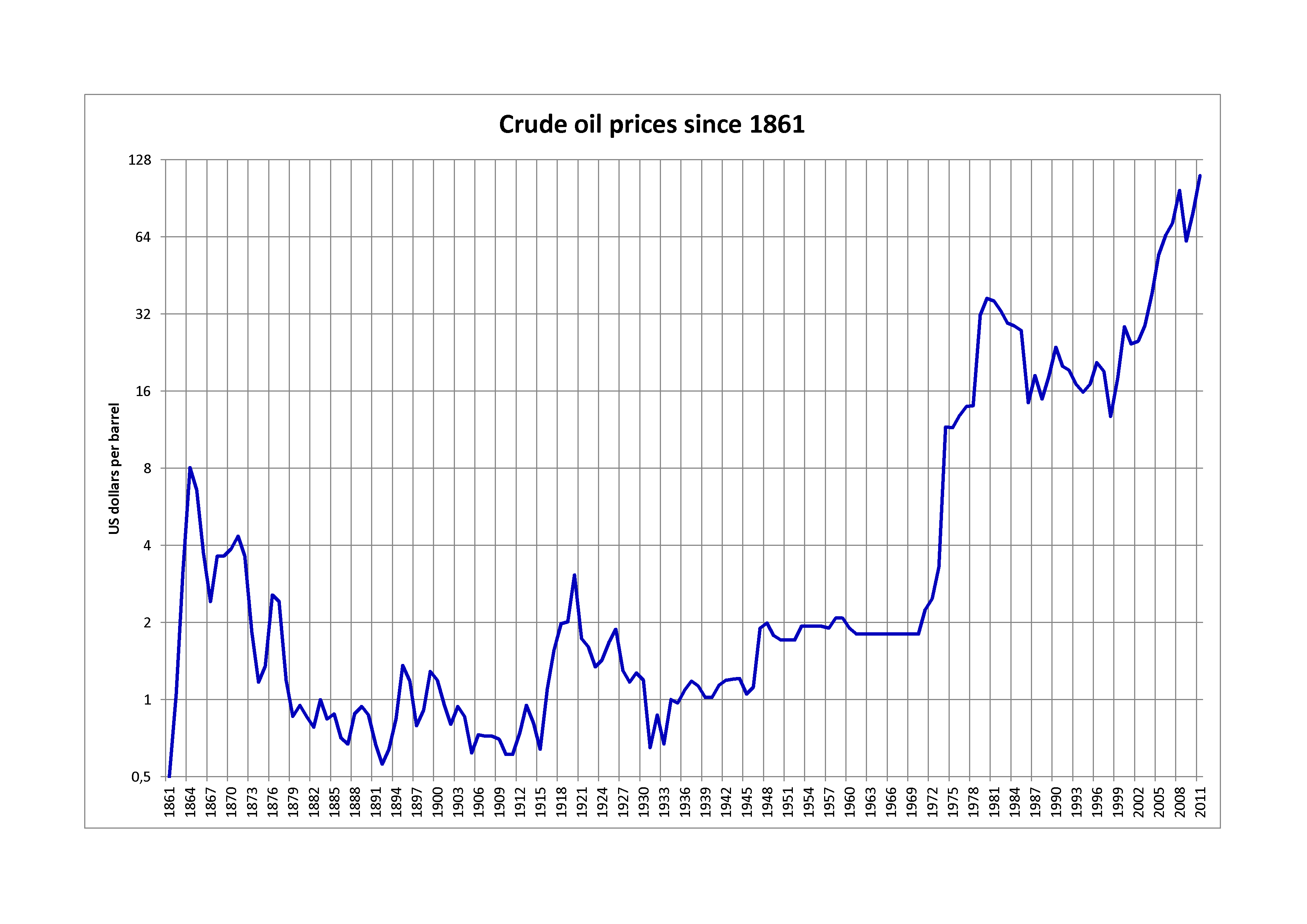
One primary driver discussed was the decline in crude prices. Because India imports a significant portion of its oil, falling prices typically reduce inflationary pressure and improve the trade deficit. The analysts said this trend occurred alongside a strengthening rupee, which affects how foreign institutional investors value their holdings in Indian equities [1].
Despite these positive signals, the market remained range-bound. This means that while the overall sentiment was positive, prices stayed within a specific upper and lower limit rather than breaking out into a steep climb. The panel examined how these factors interacted during the high-volume activity associated with the weekly expiry [1].
The broadcast served as a synthesis of global macroeconomic trends and their specific application to the Indian domestic market. By bringing together perspectives from different firms, the program highlighted the consensus on the rupee's resilience, and the impact of energy costs on national economic health [1].
“The Indian market showed range-bound trading with a positive bias.”
The combination of a strengthening rupee and lower crude oil prices generally creates a favorable environment for the Indian economy by lowering input costs and attracting foreign capital. However, the range-bound nature of the trading suggests that investors are exercising caution, weighing these positive macroeconomic indicators against other potential risks or waiting for a clearer catalyst to drive a sustained upward trend.


'%2F%3E%0A%20%20%20%20%3Crect%20width%3D'1600'%20height%3D'900'%20fill%3D'url(%23v)'%2F%3E%0A%20%20%20%20%3Cg%20opacity%3D'0.08'%20fill%3D'%23ffffff'%3E%0A%20%20%20%20%20%20%3Ccircle%20cx%3D'1420'%20cy%3D'180'%20r%3D'220'%2F%3E%0A%20%20%20%20%20%20%3Ccircle%20cx%3D'1500'%20cy%3D'760'%20r%3D'120'%2F%3E%0A%20%20%20%20%3C%2Fg%3E%0A%20%20%20%20%3Cline%20x1%3D'80'%20y1%3D'172'%20x2%3D'220'%20y2%3D'172'%20stroke%3D'%23ffffff'%20stroke-width%3D'3'%20stroke-opacity%3D'0.6'%2F%3E%0A%20%20%20%20%3Ctext%20x%3D'80'%20y%3D'140'%20font-family%3D'Inter%2C%20-apple-system%2C%20Helvetica%2C%20sans-serif'%20font-weight%3D'700'%20font-size%3D'28'%20fill%3D'%23ffffff'%20letter-spacing%3D'6'%3EHANNA%20%C2%B7%20NEWS%3C%2Ftext%3E%0A%20%20%20%20%3Ctext%20x%3D'80'%20y%3D'230'%20font-family%3D'Inter%2C%20-apple-system%2C%20Helvetica%2C%20sans-serif'%20font-weight%3D'600'%20font-size%3D'40'%20fill%3D'%23ffffffb3'%20letter-spacing%3D'4'%3EBUSINESS%3C%2Ftext%3E%0A%20%20%20%20%3Ctext%20x%3D'80'%20y%3D'622'%20font-family%3D'Playfair%20Display%2C%20Georgia%2C%20serif'%20font-weight%3D'800'%20font-size%3D'86'%20fill%3D'%23ffffff'%20letter-spacing%3D'-1'%3EUnattended%20Fryer%20and%20Delayed%3C%2Ftext%3E%3Ctext%20x%3D'80'%20y%3D'721'%20font-family%3D'Playfair%20Display%2C%20Georgia%2C%20serif'%20font-weight%3D'800'%20font-size%3D'86'%20fill%3D'%23ffffff'%20letter-spacing%3D'-1'%3EAlerts%20Led%20to%2022%20Deaths%20in%3C%2Ftext%3E%3Ctext%20x%3D'80'%20y%3D'820'%20font-family%3D'Playfair%20Display%2C%20Georgia%2C%20serif'%20font-weight%3D'800'%20font-size%3D'86'%20fill%3D'%23ffffff'%20letter-spacing%3D'-1'%3EDelhi%20Hotel%20Fire%3C%2Ftext%3E%0A%20%20%20%20%3Ctext%20x%3D'80'%20y%3D'870'%20font-family%3D'Inter%2C%20-apple-system%2C%20Helvetica%2C%20sans-serif'%20font-weight%3D'500'%20font-size%3D'22'%20fill%3D'%23ffffff66'%20letter-spacing%3D'2'%3Enews.hanna-ai.com%3C%2Ftext%3E%0A%20%20%3C%2Fsvg%3E)