
Forest department officials rescued 27 baby snakes [1] found crawling inside a household water tank in Sarai village, Haridwar.
The incident highlights the risks of wildlife encroachment in residential areas, particularly when open water sources and poor sealing attract reptiles during peak activity periods.
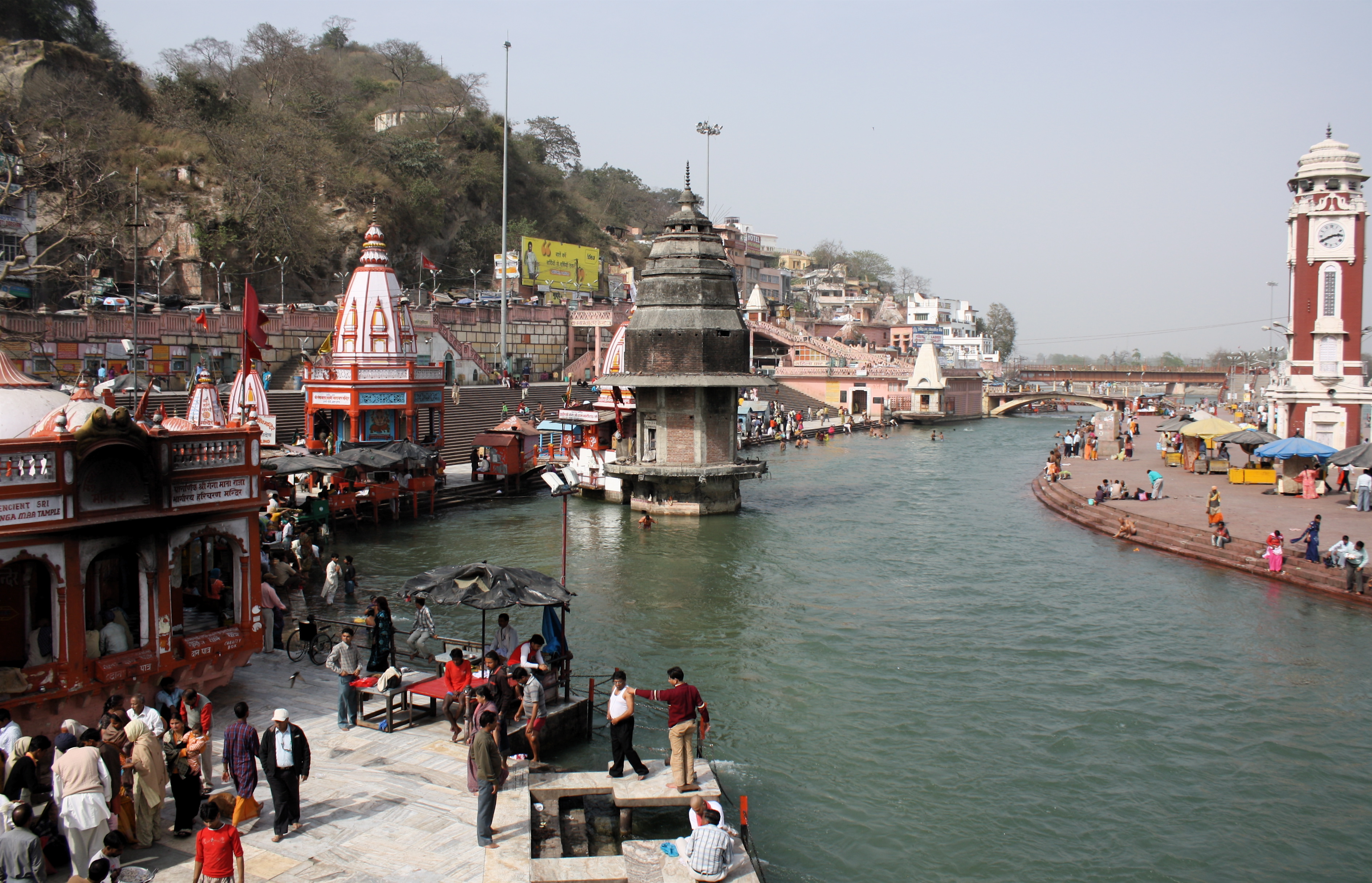
The discovery occurred in the Haridwar district of Uttarakhand, where a local family noticed the presence of the snakes within their water storage system [1], [2]. Following the discovery, snake handlers and forest department personnel were called to the scene to secure the animals and ensure the safety of the residents.
Officials recovered 27 baby snakes [1] from the tank. The rescue operation was captured on camera, showing the reptiles clustered within the water vessel [3]. All animals were removed from the residence to be relocated.
Wildlife experts said that certain environmental factors contribute to such occurrences. Open water sources are primary attractants for snakes, especially in rural settings. Nearby attractants, such as tall grass and the presence of rodents, often draw snakes toward human dwellings [2]. When water tanks are not properly sealed, they provide an accessible entry point for young snakes seeking hydration or shelter.
Residents in the region are encouraged to maintain clean surroundings and secure all water storage containers to prevent similar encounters. The forest department continues to monitor wildlife movement in the Sarai village area to mitigate human-wildlife conflict.
“27 baby snakes were discovered inside a household water tank”
This incident underscores the intersection of urban expansion and wildlife habitats in Uttarakhand. As residential structures encroach upon natural territories, the lack of secure infrastructure, such as sealed water tanks, creates opportunistic entry points for reptiles. This increases the frequency of human-wildlife encounters, necessitating better public awareness regarding home maintenance and the ecological drivers that attract snakes to domestic environments.


