
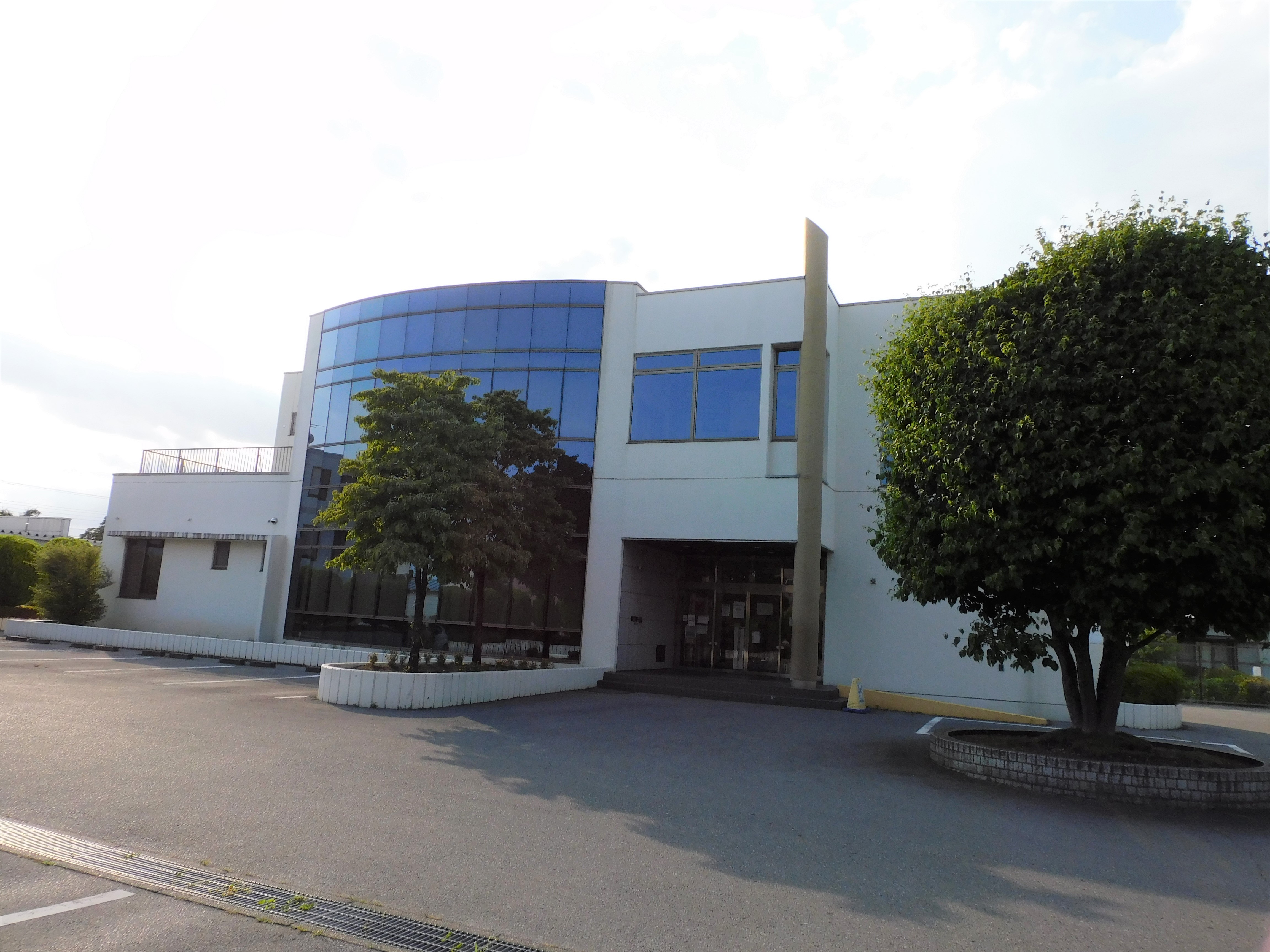
Bear sightings in Utsunomiya have forced the closure of 94 elementary and junior high schools [1].
The surge in wildlife incursions into urban areas highlights a growing conflict between human settlements and bears seeking food and water. As animals move closer to city centers, local governments are facing unprecedented logistical challenges in ensuring public safety.
In Utsunomiya, a bear was spotted near the Central Wholesale Market shortly after 3 a.m. on June 8 [2]. The Utsunomiya City Board of Education responded by closing 94 schools [1] to protect students from potential encounters.
While urban areas grapple with immediate threats, rural regions in Hokkaido are addressing the long-term burden on those tasked with managing the population. In Fukushima Town, authorities have introduced new facilities and initiatives designed to reduce the physical and mental strain on hunters.
These efforts follow sightings in the town as early as April [3], where bears were spotted on national roads near the fishing port. Hunters in these regions are often the first line of defense, but the process of culling and managing carcasses remains a significant hardship.
Shiro Michishita, a hunter, noted the seasonal behavior of the animals. "From now, the bears' mating season begins, so males wander here and there looking for females," Michishita said [4].
The problem persists across Japan as brown bears and Asian black bears continue to enter residential areas. The shift toward creating specialized support infrastructure in Hokkaido suggests that traditional hunting methods alone are insufficient to manage the current scale of the crisis.
“Bear sightings in Utsunomiya have forced the closure of 94 elementary and junior high schools.”
The escalation of bear sightings in urban centers like Utsunomiya indicates that traditional wildlife boundaries are collapsing. By integrating support facilities for hunters in Hokkaido, Japan is acknowledging that the 'human-wildlife conflict' is not just a public safety issue, but a labor crisis for the aging population of hunters responsible for regional security.



