
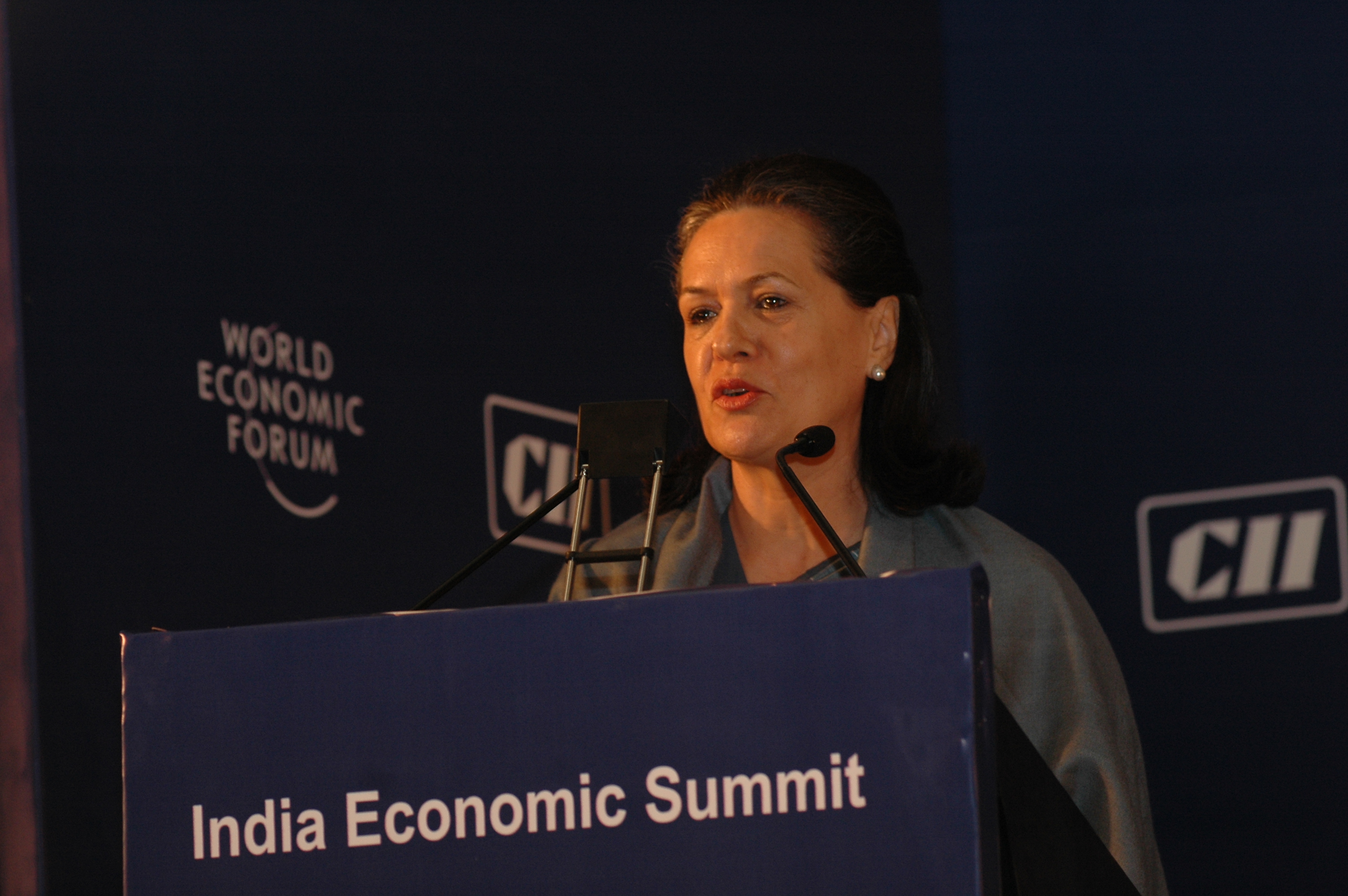
Mamata Banerjee met with Sonia Gandhi in New Delhi on Tuesday to discuss political strategy and the future of the opposition [1].
The meeting occurs as the Trinamool Congress faces internal instability, raising questions about the stability of the INDIA bloc and potential shifts in party alliances.
Reports indicate that the discussions centered on rumors of a split within the Trinamool Congress [1]. Speculation has also grown regarding a possible merger between the Trinamool Congress and the Congress party [2]. This high-level meeting suggests a need for coordinated strategy to address these internal pressures.
Internal friction has reportedly reached a critical point. Approximately 20 Trinamool Congress members of parliament are currently rebelling against the party leadership [1]. This internal rift has prompted Banerjee to seek political support and strategic alignment from the Congress party leadership, including Sonia Gandhi and Rahul Gandhi [3].
The rebellion within the party comes at a time when the opposition is attempting to maintain a unified front. The possibility of a merger would represent a significant realignment of political power in India, potentially consolidating resources and voter bases between the two parties [4].
While the leaders met to discuss these challenges, the specific outcomes of the strategy talks have not been fully disclosed. The meeting serves as a response to the volatility within Banerjee's own party ranks [2].
“Mamata Banerjee met with Sonia Gandhi in New Delhi on Tuesday to discuss political strategy”
The meeting signals a moment of vulnerability for the Trinamool Congress. If a significant faction of MPs continues to rebel, Banerjee may be forced to choose between a formal merger with the Congress party or a risky internal purge. Such a merger would fundamentally alter the opposition landscape by merging two of the most prominent anti-BJP forces, though it could also create new ideological frictions within the consolidated entity.


