
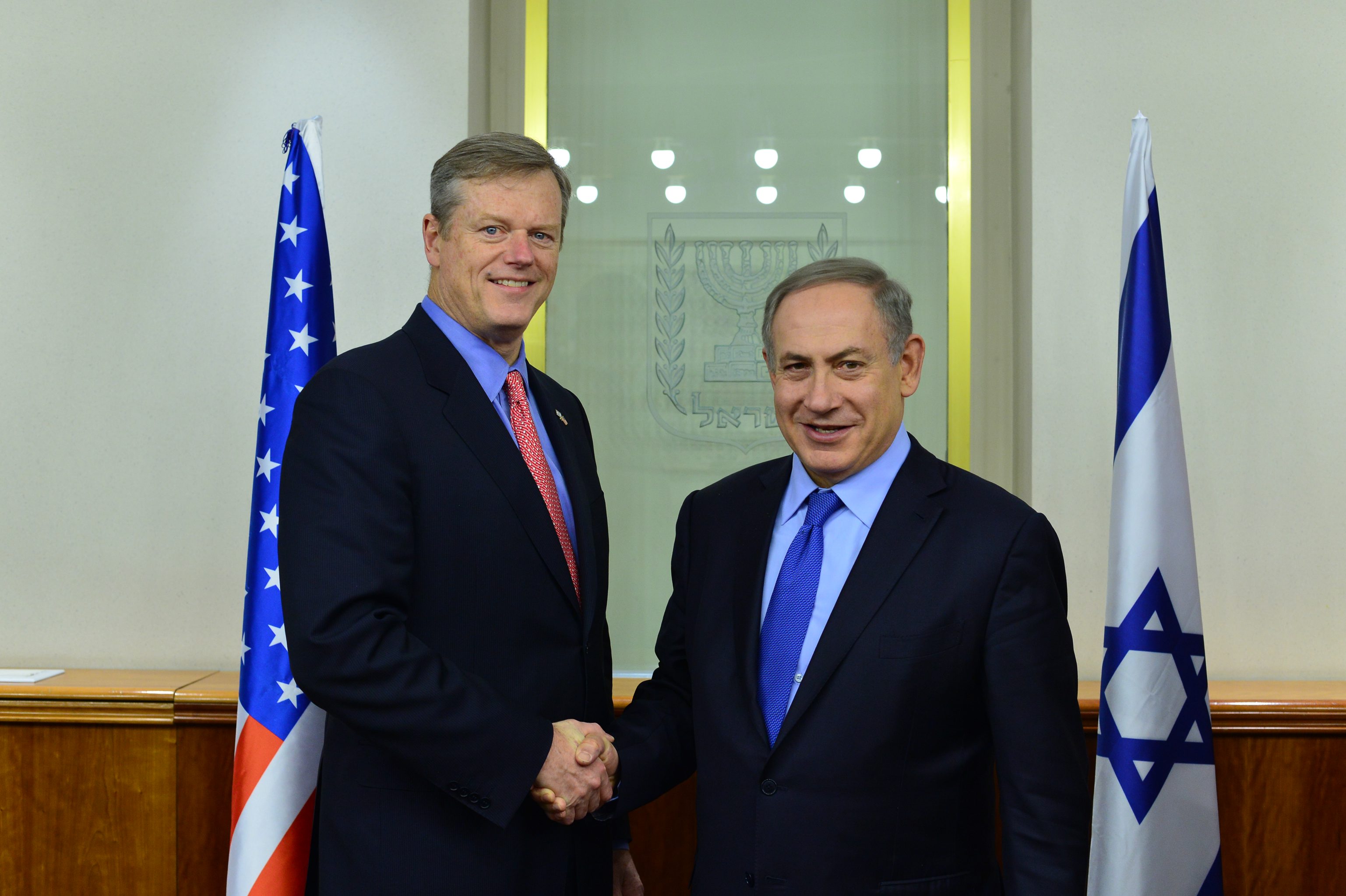
Israeli Prime Minister Benjamin Netanyahu is refusing to expand a U.S.-brokered cease-fire agreement to include Lebanon [1].
This decision maintains a volatile security situation along the northern border. By excluding Lebanon, Israel continues to signal that its military objectives in that sector remain active and uncompromised by diplomatic pauses in other areas.
The current cease-fire was announced on April 16, 2024 [2]. According to reports, President Trump said the agreement would last for 10 days [3]. While the pause aimed to reduce immediate hostilities, the scope of the agreement remains limited.
Israeli officials said the reluctance to broaden the truce stems from concerns over how the move would be perceived. There is a fear that a cease-fire covering Lebanon would be interpreted as an end to the conflict without the achievement of Israeli objectives [1], [4].
Maintaining this position allows the Israeli military to preserve its strategic posture in southern Lebanon and along the border region [5]. Officials said that they do not want to jeopardize their position through a premature diplomatic settlement that does not guarantee their security goals [1], [4].
The standoff persists as international mediators attempt to stabilize the region. However, the prime minister's insistence on specific outcomes before agreeing to a wider truce suggests that the northern front remains a critical priority for the Israeli government [1], [5].
“Netanyahu is reluctant to broaden the US-brokered cease-fire to Lebanon”
The refusal to expand the cease-fire indicates that Israel views the conflict with Hezbollah and other Lebanese-based actors as a distinct strategic theater from other regional tensions. By decoupling the Lebanon front from the 10-day pause, Netanyahu is prioritizing the total achievement of military goals over a comprehensive regional de-escalation, which increases the likelihood of continued skirmishes along the border despite US diplomatic pressure.


