
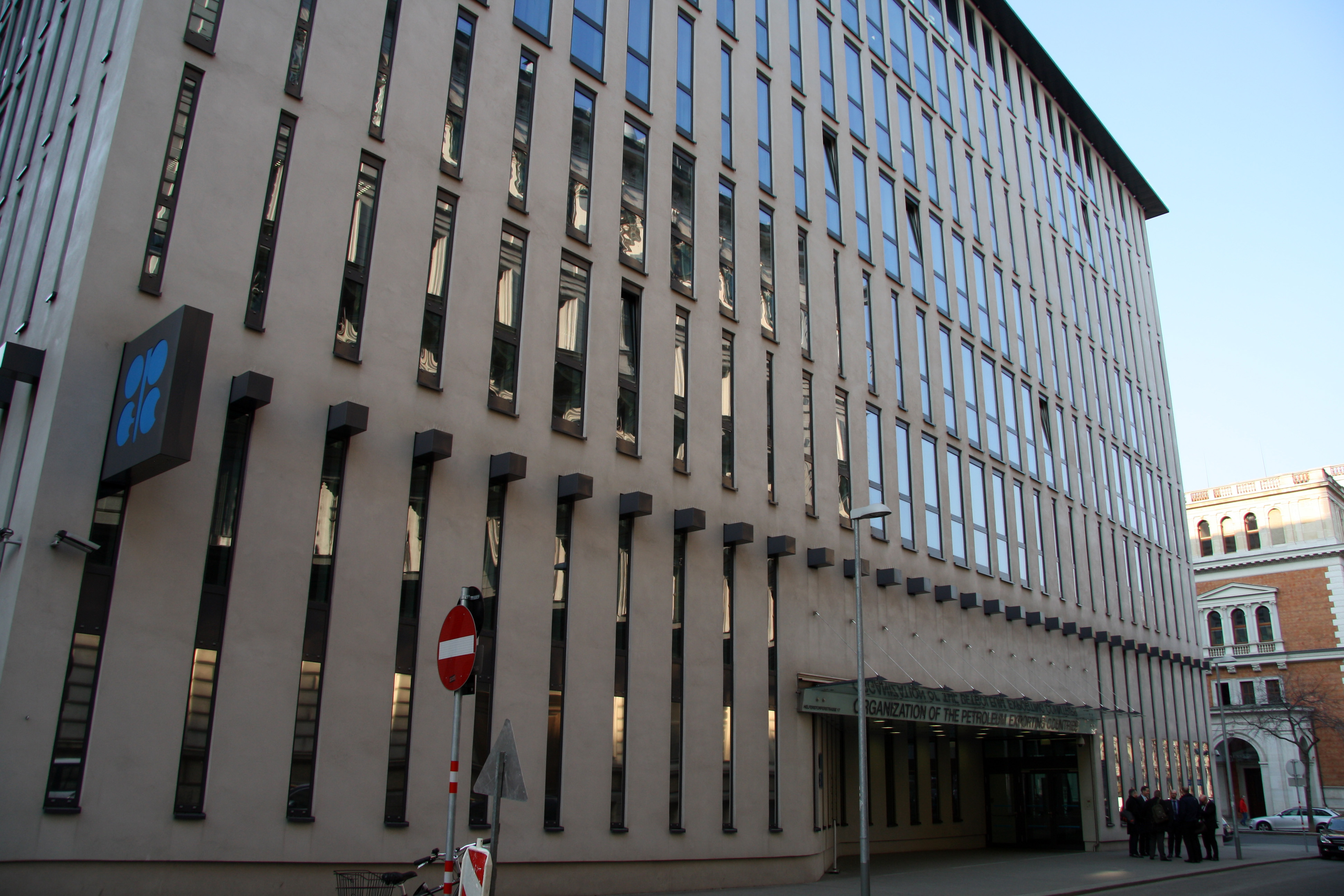
OPEC+ has agreed to increase its oil production quota to address a global supply crisis [1].
This decision comes as the alliance seeks to protect market stability and offset shortfalls caused by the closure of the Strait of Hormuz [6]. Because this waterway is a critical artery for global energy transit, any disruption threatens price volatility and industrial energy security.
The agreement was reached during an OPEC+ meeting in Vienna, with some statements also coordinated via a virtual meeting [1]. The alliance consists of seven member countries: Saudi Arabia, Russia, Iraq, Kuwait, Kazakhstan, Algeria, and Oman [1].
Reports on the exact volume of the increase vary. Some sources said the production quota will rise by 188,000 barrels per day [1, 2]. Other reports said there is a higher increase of 411,000 barrels per day [3].
Timeline for the implementation also differs across reports. Some sources said the increase will begin this month, June 2026 [2, 4]. Other reports said the implementation will start in July 2026 [5].
While the primary goal is to mitigate the supply crisis [6], some reports said the move is also intended to help OPEC+ restore its overall market share [3]. The alliance continues to monitor global demand to determine if further adjustments to production levels are required in the coming months.
“OPEC+ has agreed to increase its oil production quota to address a global supply crisis”
The decision to raise production quotas reflects the high stakes of the Strait of Hormuz closure, which has effectively severed a primary transit route for crude oil. By increasing output, OPEC+ is attempting to prevent a price spike that could trigger a global economic slowdown, while simultaneously leveraging the crisis to reclaim market share from non-aligned producers.


