
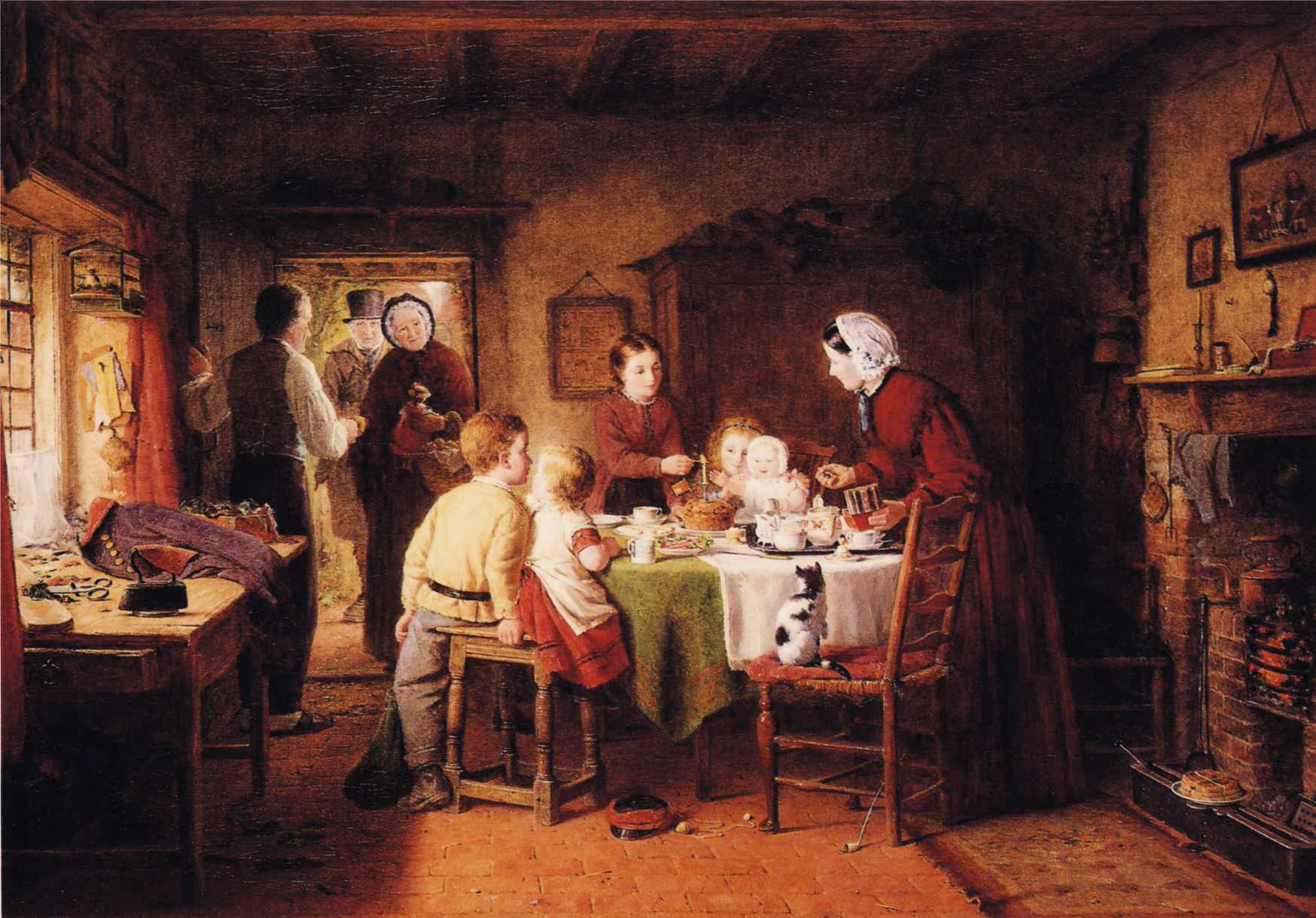
Parents of school-age children report that raising children has become more difficult than in previous generations [1, 2].
This shift reflects a growing gap between traditional parenting methods and the pressures of the current era. As social expectations evolve, parents face new stressors that did not exist for their own predecessors, affecting family dynamics across Australia and the broader English-speaking world [1, 2].
Several specific factors contribute to this perceived increase in difficulty. One primary driver is the rise of extravagant birthday parties, which create financial and social pressure on families to maintain high standards of celebration [2]. These events have shifted from simple gatherings to complex productions that demand more resources from parents.
Technology has also introduced new conflicts within the home. Heightened debates over screen-time have become a central point of contention, as parents struggle to balance digital access with healthy development [2]. The constant presence of devices creates a friction point that previous generations did not navigate.
Furthermore, evolving norms regarding co-sleeping have added to the complexity of early childhood management [2]. The lack of a single, universally accepted standard for sleep practices often leaves parents feeling uncertain or judged by their peers.
These combined pressures suggest that the mental load of parenting has expanded. While the fundamental needs of children remain the same, the environment in which they are raised has become more scrutinized and demanding [1, 2].
“Raising children is perceived as more difficult now than in previous generations.”
The reported increase in parenting difficulty suggests a transition from intuitive, community-based child-rearing to a high-pressure model driven by digital influence and social competition. This trend highlights a systemic increase in the 'mental load' of parents, where the challenge is not necessarily the children themselves, but the societal expectations surrounding the performance of parenting.


