
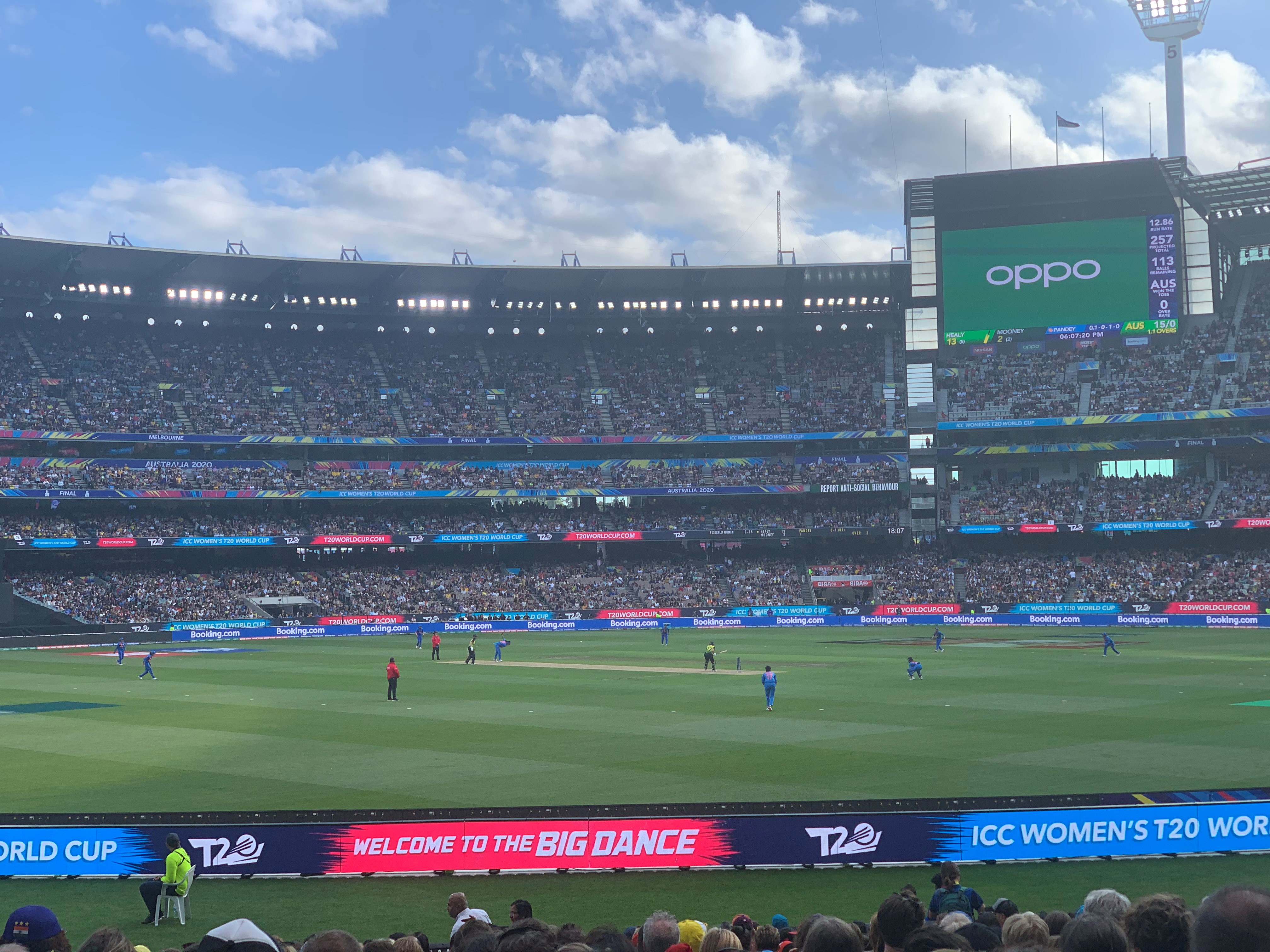
The 10th edition of the ICC Women's T20 World Cup begins June 12, 2026, with matches hosted across England and Wales [1, 2].
This tournament represents a critical juncture for women's cricket as the sport continues to expand its global footprint and professional infrastructure. The event serves as the primary benchmark for international dominance in the shortest format of the game.
A total of 12 teams will participate in the competition [1]. The schedule consists of 33 matches [1], beginning with an opening encounter on June 12, 2026, where host nation England will face Sri Lanka [1, 2].
Analysis of the tournament's landscape suggests a high-stakes environment for the defending champions. New Zealand enters the event as the 2024 title holder and faces the challenge of maintaining its position at the top of the world rankings [1].
Experts including Katey Martin and Veda Krishnamurthy recently discussed the tournament's outlook alongside host Yash Jha [2]. Their preview focused on the strategic preparations of the competing nations as they head into the June 12 start date [2].
The tournament will run through July 5, 2026 [1, 2]. The distribution of matches across England and Wales is designed to maximize visibility for the sport in the United Kingdom, a region with a deep history of cricket development.
With 12 teams competing, the format ensures a broad representation of global talent [1]. The 33-match structure provides a rigorous test of consistency, and endurance for the athletes involved [1].
“Twelve teams will compete in 33 matches starting June 12.”
The expansion to 12 teams and the hosting by England and Wales signal the ICC's intent to scale the commercial and athletic reach of the women's game. By utilizing a high-density schedule of 33 matches, the tournament increases the volume of high-stakes content available for broadcasters and fans, further cementing the T20 World Cup as the premier event in the women's cricket calendar.


