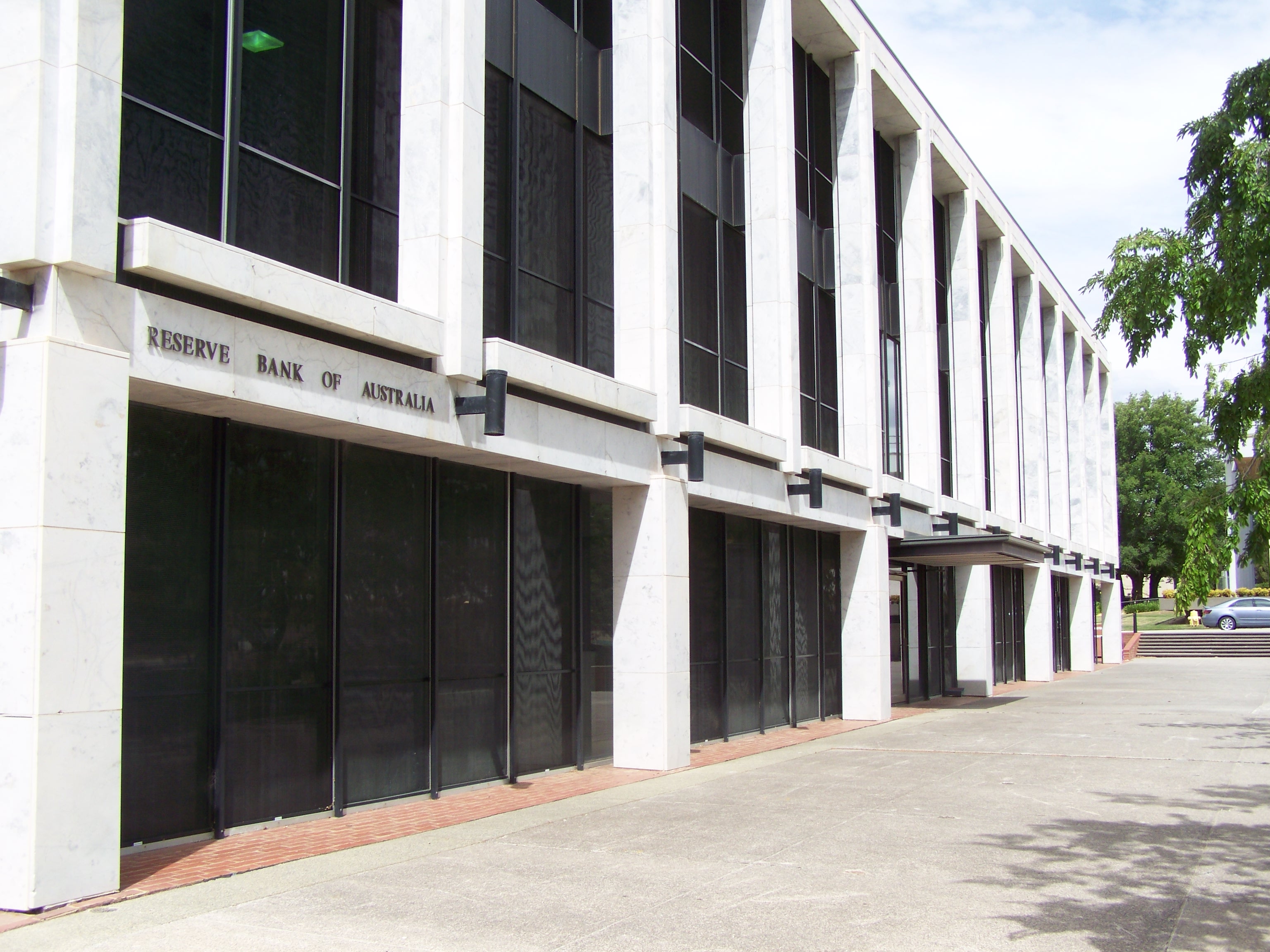
Australian banks are expected to modify their reward schemes in the coming months [1, 2] following a regulatory overhaul driven by the Reserve Bank of Australia (RBA).
This shift could significantly reduce the ability of consumers to accumulate frequent flyer points and other banking incentives. Because these programs are deeply integrated into consumer spending habits, any reduction in rewards may change how Australians manage their daily finances and credit card usage.
Industry analysts expect a wave of adjustments as financial institutions align their operations with the RBA's new direction. "We’re likely to see a flurry of changes to banks’ reward schemes in coming months, as the industry prepares for an RBA-driven overhaul," a reporter for MSN said [2].
The changes are viewed as a direct result of regulatory pressure. Jonathan Davies, the economics editor for The Age, said the move is likely a response to pressure from the Reserve Bank [1].
The impact is expected to be widespread across the sector. An industry source told MSN Money that the move represents a significant shift in how banks operate, and that rewards schemes will be impacted [2].
While specific details of the RBA's overhaul have not been fully detailed in public filings, the anticipated changes to surcharges and reward structures suggest a move toward lower costs for the banking system. This transition may force banks to decouple their loyalty programs from traditional transaction models to maintain profitability under the new guidelines [1, 2].
““The move is likely to be a response to pressure from the Reserve Bank,””
The RBA's push to overhaul banking surcharges targets the underlying cost of payment processing. By reducing the margins banks can extract from these transactions, the central bank is effectively removing the funding source that supports generous frequent flyer and cashback programs. This suggests a broader transition toward a more utilitarian banking model where consumer loyalty is no longer subsidized by hidden transaction fees.


