
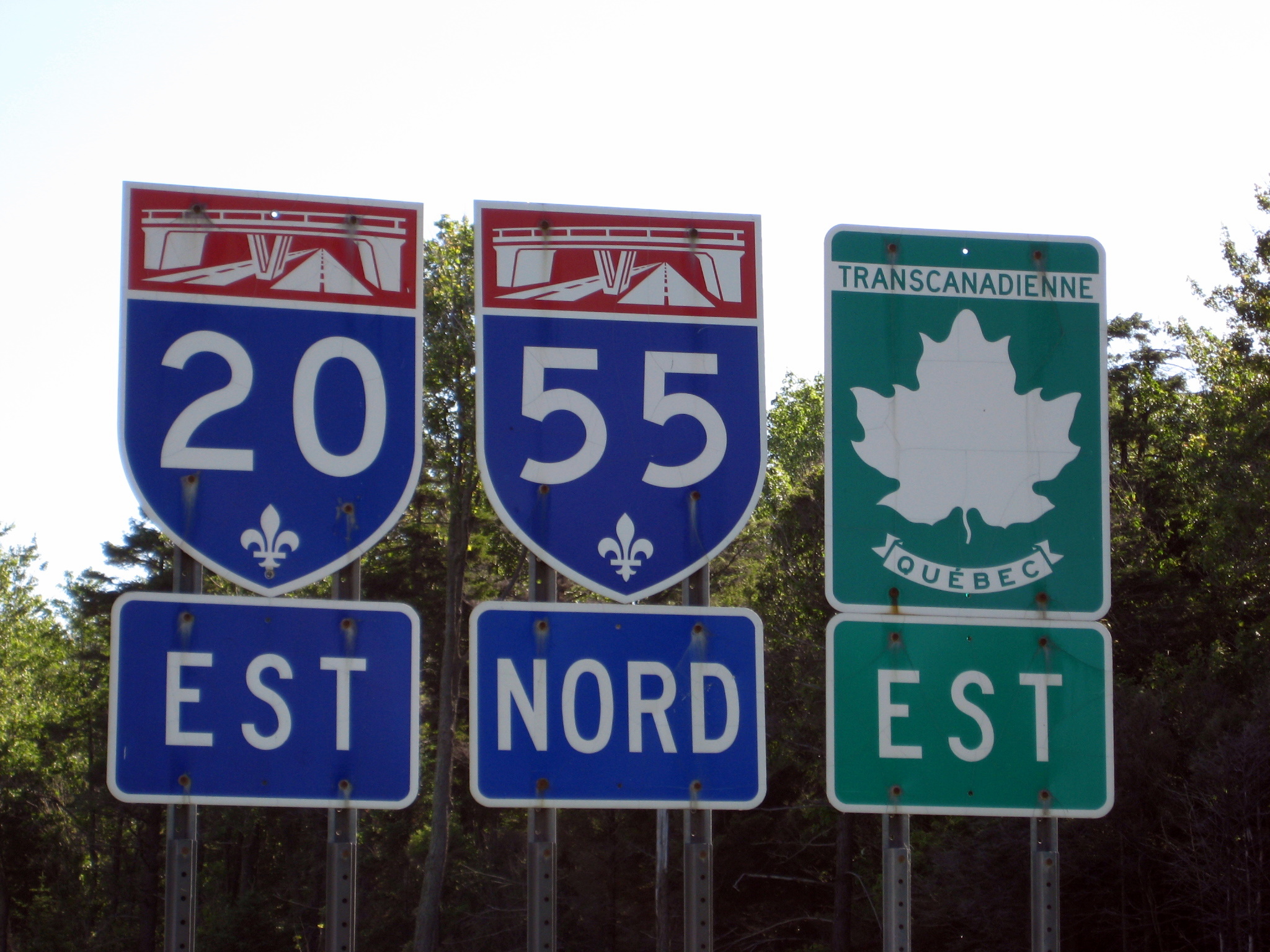
Quebec is adding a third lane to Autoroute 20 west in the Lévis-Quebec City corridor to increase roadway capacity [1, 2].
The project aims to alleviate chronic traffic congestion on the westbound stretch of the highway, a critical artery for commuters and transport between the two cities [2, 5].
Construction is estimated to cost C$50 million [1]. The project is scheduled to span roughly four years, with works continuing until 2031 [2]. While some reports suggested a shorter two-year timeline ending in 2028, the extended schedule aligns with the broader scope of the infrastructure improvements [2, 4].
Local authorities have implemented various traffic measures to manage the flow of vehicles during the expansion. Nighttime detours have been utilized to minimize daytime disruptions, with some specific phases of these restrictions scheduled through May 28 [3].
Despite the goal of reducing congestion, the project coincides with a challenging safety environment. There has been a 10% rise in reported road accidents during the same period [1]. Some experts have questioned whether adding a single lane will permanently solve the traffic issues in the region, a common debate regarding induced demand in urban planning [5].
The expansion remains a priority for the province as it seeks to modernize the corridor to support regional growth and economic movement [2].
“The project is scheduled to span roughly four years, with works continuing until 2031.”
The expansion of Autoroute 20 highlights the ongoing struggle between infrastructure growth and traffic management in Quebec. While the third lane increases immediate capacity, the reported rise in accidents and expert skepticism suggest that physical widening may not be a complete solution for long-term congestion in the Lévis-Quebec City corridor.


