
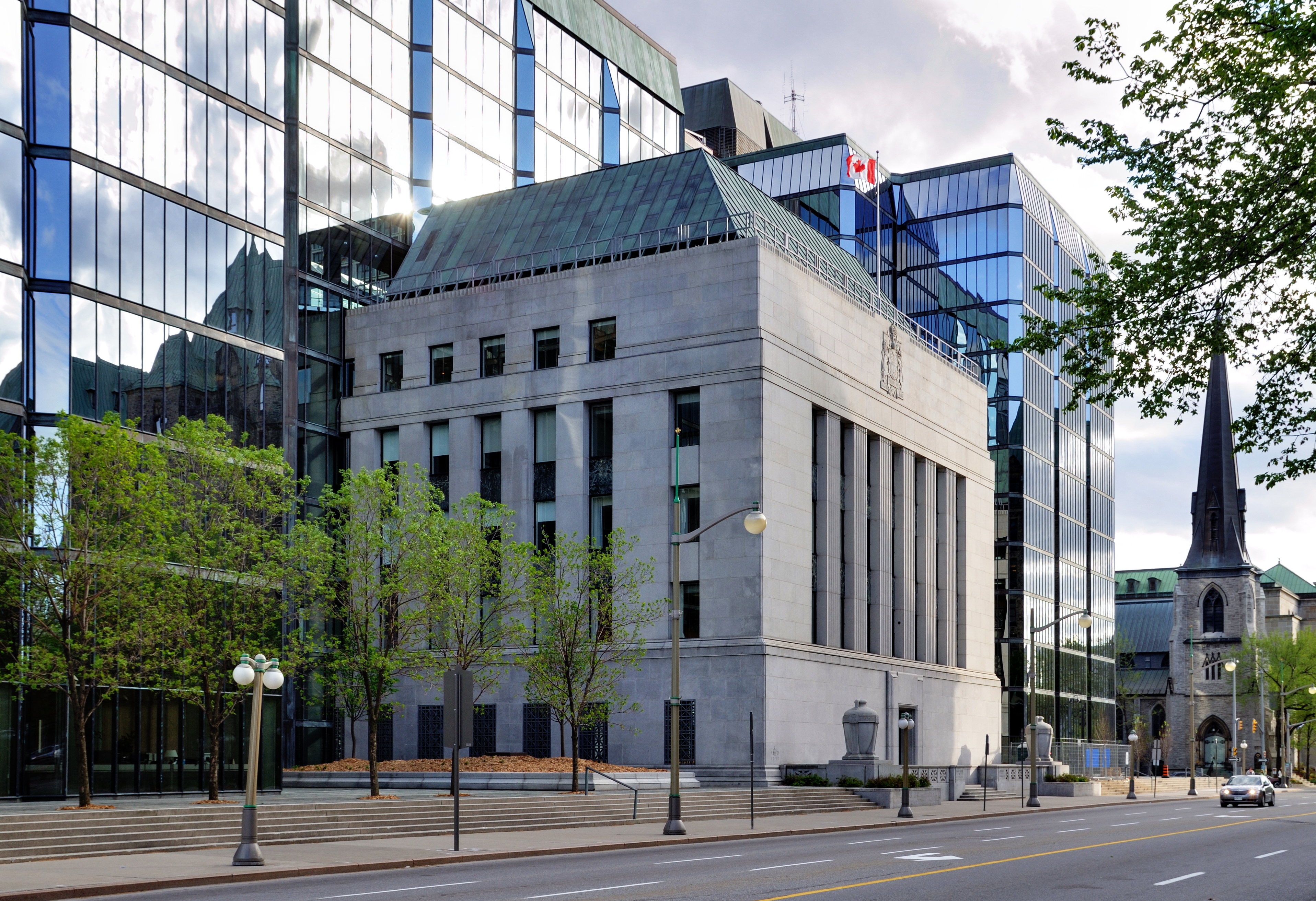
The Bank of Canada held its key interest rate unchanged during a press conference in Ottawa on Wednesday [1].
This decision comes as the central bank attempts to balance a slowing economy against persistent inflation risks. The move signals a cautious approach to monetary policy while the bank assesses whether current economic headwinds require more aggressive intervention.
Governor Tiff Macklem and Senior Deputy Governor Carolyn Rogers led the announcement at 10:30 a.m. ET [2]. The decision to keep the rate steady [1] follows a period of economic turbulence that has left policymakers weighing contradictory signals regarding the health of the national economy.
Reports indicate that the economy slipped into a technical recession during the first quarter [3]. However, Macklem provided a more nuanced view of the current state of growth. "The economy is weak, but not clearly in recession," Macklem said [4].
Inflation remains a primary concern for the bank, particularly as energy costs fluctuate. The central bank is monitoring how these costs impact the broader market to avoid a wage-price spiral. "We are seeing limited evidence that higher energy prices are fueling broad-based inflation," Macklem said [5].
By maintaining the current rate, the bank is opting to wait for more definitive data before pivoting its strategy. This pause allows the bank to determine if the technical recession reported in the first quarter [3] is a temporary dip or a deeper systemic trend, a distinction that will dictate whether future meetings result in rate cuts to stimulate growth or further holds to combat inflation.
“The economy is weak, but not clearly in recession.”
The Bank of Canada is currently navigating a 'narrow path' where it must avoid stifling an economy already in a technical recession while ensuring that energy-led price hikes do not trigger a wider inflationary trend. By holding rates steady, the bank is prioritizing data collection over immediate action, suggesting that any future shift in policy will depend on whether the economic weakness persists through the second quarter.


