
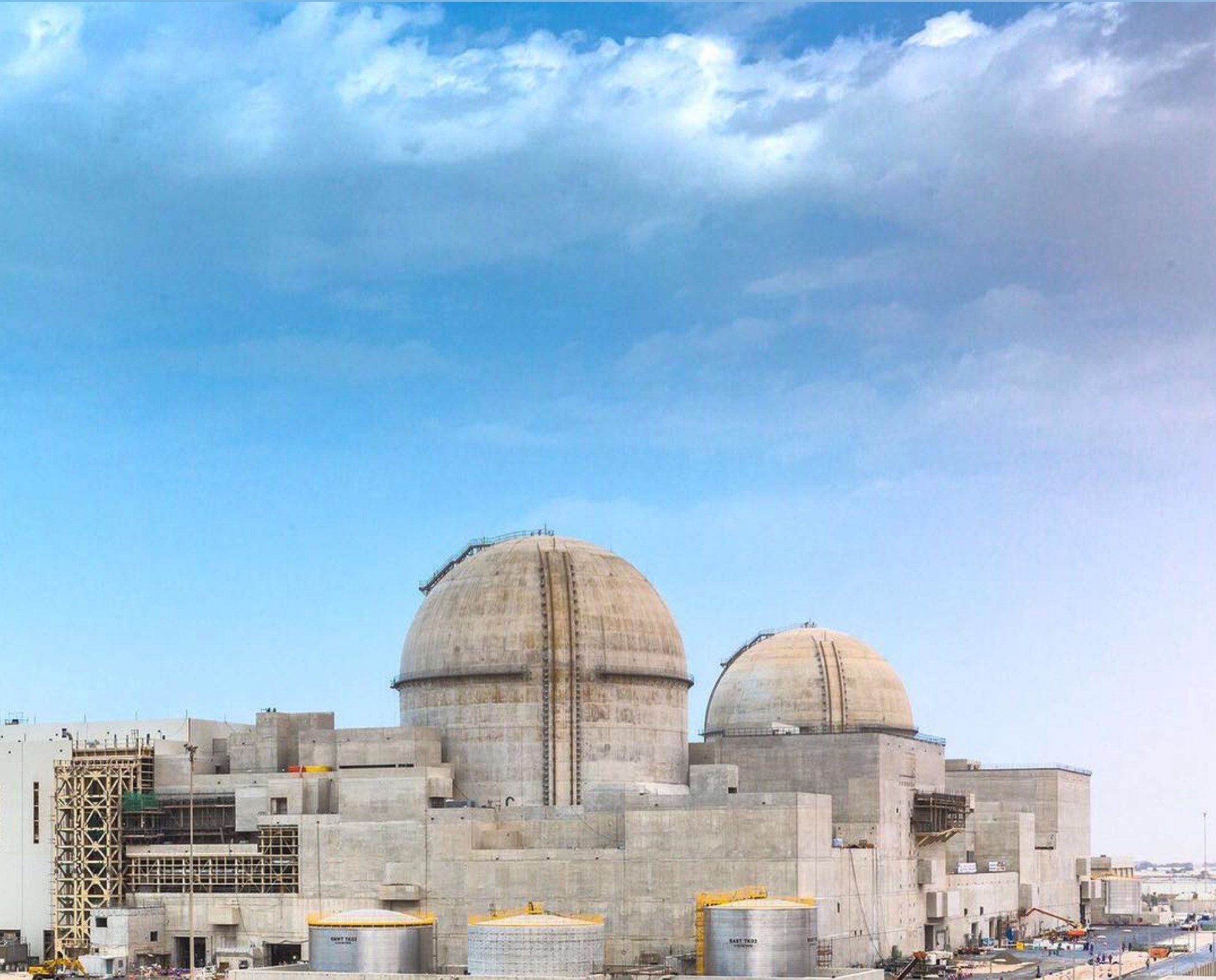
A drone targeted the Barakah Nuclear Power Plant on Sunday, sparking a fire in an electrical generator located outside the facility's inner perimeter [1].
This incident marks a rare direct strike on a nuclear energy site in the United Arab Emirates, raising immediate concerns regarding the security of critical energy infrastructure in the region.
The attack occurred at the facility located in the Al Dhafra region of the Abu Dhabi emirate [1]. According to the Abu Dhabi Media Office, emergency teams responded to the fire that broke out in the generator after the drone strike [1].
Officials said there were zero casualties resulting from the incident [1]. Furthermore, authorities said there was no radiation leak following the strike [1, 2]. The fire was contained to the external generator, which sits outside the plant's primary containment and inner security zone [1].
The Abu Dhabi Media Office said the authorities dealt with the fire that broke out in the generator "resulting from being targeted by a drone" [1]. While the strike caused physical damage to the generator, the facility's core nuclear operations remained unaffected.
No group has yet claimed responsibility for the attack, and the motive behind the targeting of the Barakah plant remains unknown [1]. The plant is the first commercial nuclear energy project in the Arab world, designed to provide low-carbon electricity to the UAE grid.
“There were zero casualties resulting from the incident.”
The targeting of a nuclear facility, even at a peripheral generator, signals an escalation in the use of unmanned aerial vehicles against strategic infrastructure. Because the strike hit an area outside the inner perimeter, the immediate risk of a nuclear catastrophe was avoided, but the event highlights the vulnerability of such sites to asymmetric warfare and the necessity for enhanced aerial defense systems around energy hubs.

'%2F%3E%0A%20%20%20%20%3Crect%20width%3D'1600'%20height%3D'900'%20fill%3D'url(%23v)'%2F%3E%0A%20%20%20%20%3Cg%20opacity%3D'0.08'%20fill%3D'%23ffffff'%3E%0A%20%20%20%20%20%20%3Ccircle%20cx%3D'1420'%20cy%3D'180'%20r%3D'220'%2F%3E%0A%20%20%20%20%20%20%3Ccircle%20cx%3D'1500'%20cy%3D'760'%20r%3D'120'%2F%3E%0A%20%20%20%20%3C%2Fg%3E%0A%20%20%20%20%3Cline%20x1%3D'80'%20y1%3D'172'%20x2%3D'220'%20y2%3D'172'%20stroke%3D'%23ffffff'%20stroke-width%3D'3'%20stroke-opacity%3D'0.6'%2F%3E%0A%20%20%20%20%3Ctext%20x%3D'80'%20y%3D'140'%20font-family%3D'Inter%2C%20-apple-system%2C%20Helvetica%2C%20sans-serif'%20font-weight%3D'700'%20font-size%3D'28'%20fill%3D'%23ffffff'%20letter-spacing%3D'6'%3EHANNA%20%C2%B7%20NEWS%3C%2Ftext%3E%0A%20%20%20%20%3Ctext%20x%3D'80'%20y%3D'230'%20font-family%3D'Inter%2C%20-apple-system%2C%20Helvetica%2C%20sans-serif'%20font-weight%3D'600'%20font-size%3D'40'%20fill%3D'%23ffffffb3'%20letter-spacing%3D'4'%3EWORLD%3C%2Ftext%3E%0A%20%20%20%20%3Ctext%20x%3D'80'%20y%3D'622'%20font-family%3D'Playfair%20Display%2C%20Georgia%2C%20serif'%20font-weight%3D'800'%20font-size%3D'86'%20fill%3D'%23ffffff'%20letter-spacing%3D'-1'%3EPakistan%26apos%3Bs%20Ruet-e-Hilal%3C%2Ftext%3E%3Ctext%20x%3D'80'%20y%3D'721'%20font-family%3D'Playfair%20Display%2C%20Georgia%2C%20serif'%20font-weight%3D'800'%20font-size%3D'86'%20fill%3D'%23ffffff'%20letter-spacing%3D'-1'%3ECommittee%20meets%20for%20Zil%20Hajj%3C%2Ftext%3E%3Ctext%20x%3D'80'%20y%3D'820'%20font-family%3D'Playfair%20Display%2C%20Georgia%2C%20serif'%20font-weight%3D'800'%20font-size%3D'86'%20fill%3D'%23ffffff'%20letter-spacing%3D'-1'%3Emoon%20sighting%3C%2Ftext%3E%0A%20%20%20%20%3Ctext%20x%3D'80'%20y%3D'870'%20font-family%3D'Inter%2C%20-apple-system%2C%20Helvetica%2C%20sans-serif'%20font-weight%3D'500'%20font-size%3D'22'%20fill%3D'%23ffffff66'%20letter-spacing%3D'2'%3Enews.hanna-ai.com%3C%2Ftext%3E%0A%20%20%3C%2Fsvg%3E)

