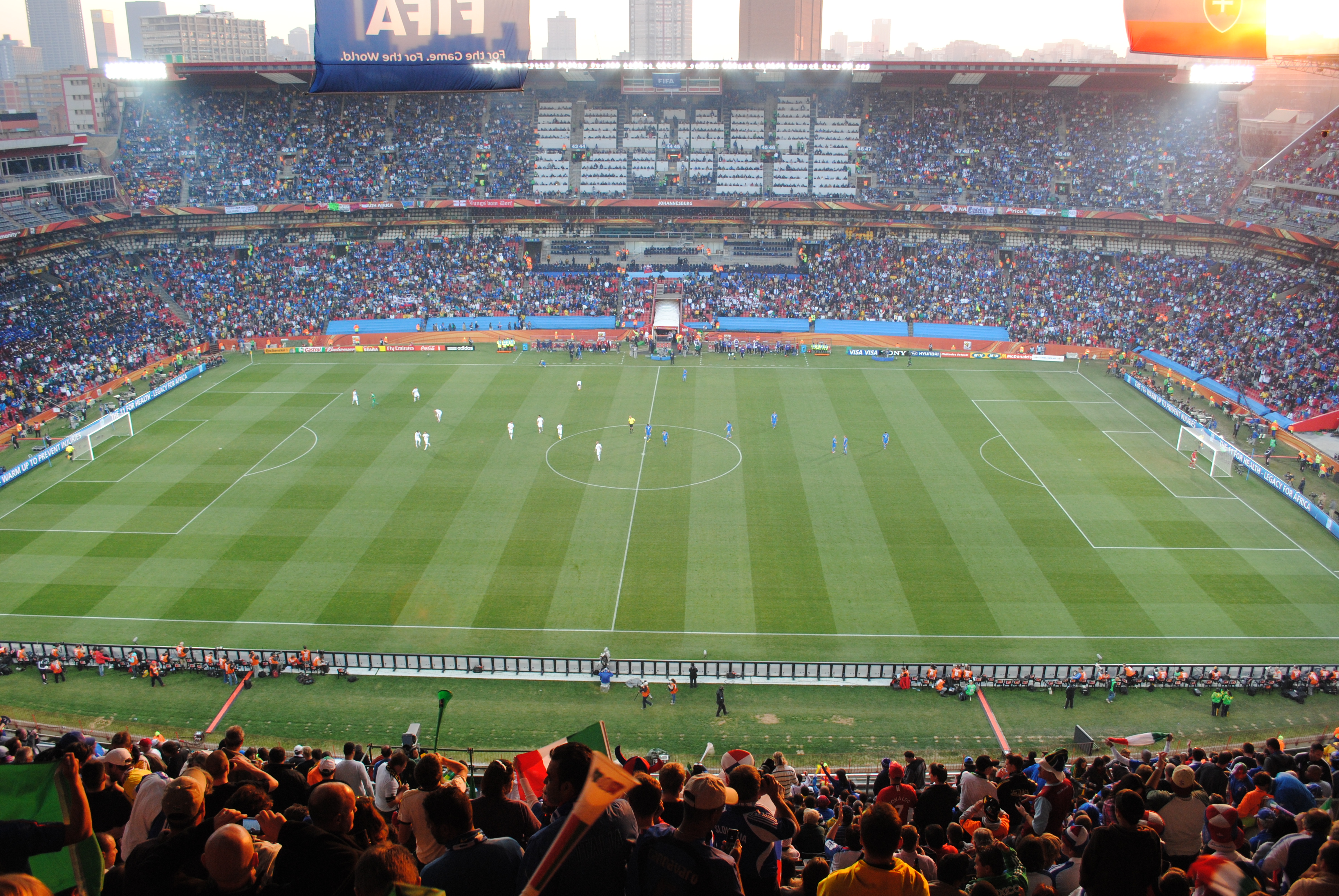
The Brazilian national football team continues to grapple with the political and cultural fallout from its 2014 World Cup hosting experience [1].
This legacy matters because the team's perceived aura of invincibility was shattered, altering how football intersects with national identity and political stability in Brazil [1, 2].
During the 2014 FIFA World Cup, the Seleção suffered a traumatic 7-1 [1] defeat to Germany in the semi-final match. The loss occurred while Brazil served as the host nation, amplifying the psychological impact on the citizenry [1, 2]. This result did more than end a tournament run; it diminished the prestige of the national team on a global scale [1].
The event influenced political discourse within the country, as the failure on the pitch mirrored broader societal frustrations [2]. The 2014 [1] collapse became a symbol of national vulnerability, a rare moment where the team's traditional dominance vanished.
Despite this scar, Brazil remained a competitive force in subsequent tournaments. The team reached the round of 16 [1] during the 2022 FIFA World Cup in Qatar. This advancement occurred despite various predictions that the team would lose to Japan during that stage of the competition [1].
While the team has maintained its status as a top-tier contender, the cultural memory of the 2014 defeat remains a benchmark for the team's relationship with its fans. The shift from absolute confidence to a more precarious prestige defines the modern era of the Seleção [1, 2].
“The 7-1 loss to Germany in 2014 traumatized the nation.”
The intersection of sports and politics in Brazil demonstrates that athletic failure can exacerbate existing social tensions. The 2014 defeat served as a catalyst for a shift in national psyche, moving the Seleção from a symbol of guaranteed success to a reflection of a more volatile national identity.

'%2F%3E%0A%20%20%20%20%3Crect%20width%3D'1600'%20height%3D'900'%20fill%3D'url(%23v)'%2F%3E%0A%20%20%20%20%3Cg%20opacity%3D'0.08'%20fill%3D'%23ffffff'%3E%0A%20%20%20%20%20%20%3Ccircle%20cx%3D'1420'%20cy%3D'180'%20r%3D'220'%2F%3E%0A%20%20%20%20%20%20%3Ccircle%20cx%3D'1500'%20cy%3D'760'%20r%3D'120'%2F%3E%0A%20%20%20%20%3C%2Fg%3E%0A%20%20%20%20%3Cline%20x1%3D'80'%20y1%3D'172'%20x2%3D'220'%20y2%3D'172'%20stroke%3D'%23ffffff'%20stroke-width%3D'3'%20stroke-opacity%3D'0.6'%2F%3E%0A%20%20%20%20%3Ctext%20x%3D'80'%20y%3D'140'%20font-family%3D'Inter%2C%20-apple-system%2C%20Helvetica%2C%20sans-serif'%20font-weight%3D'700'%20font-size%3D'28'%20fill%3D'%23ffffff'%20letter-spacing%3D'6'%3EHANNA%20%C2%B7%20NEWS%3C%2Ftext%3E%0A%20%20%20%20%3Ctext%20x%3D'80'%20y%3D'230'%20font-family%3D'Inter%2C%20-apple-system%2C%20Helvetica%2C%20sans-serif'%20font-weight%3D'600'%20font-size%3D'40'%20fill%3D'%23ffffffb3'%20letter-spacing%3D'4'%3EWORLD%3C%2Ftext%3E%0A%20%20%20%20%3Ctext%20x%3D'80'%20y%3D'694'%20font-family%3D'Playfair%20Display%2C%20Georgia%2C%20serif'%20font-weight%3D'800'%20font-size%3D'110'%20fill%3D'%23ffffff'%20letter-spacing%3D'-1'%3EIndia%20Approves%208-km%20Dwarka%3C%2Ftext%3E%3Ctext%20x%3D'80'%20y%3D'820'%20font-family%3D'Playfair%20Display%2C%20Georgia%2C%20serif'%20font-weight%3D'800'%20font-size%3D'110'%20fill%3D'%23ffffff'%20letter-spacing%3D'-1'%3ETunnel%20Project%20in%20Delhi%3C%2Ftext%3E%0A%20%20%20%20%3Ctext%20x%3D'80'%20y%3D'870'%20font-family%3D'Inter%2C%20-apple-system%2C%20Helvetica%2C%20sans-serif'%20font-weight%3D'500'%20font-size%3D'22'%20fill%3D'%23ffffff66'%20letter-spacing%3D'2'%3Enews.hanna-ai.com%3C%2Ftext%3E%0A%20%20%3C%2Fsvg%3E)