
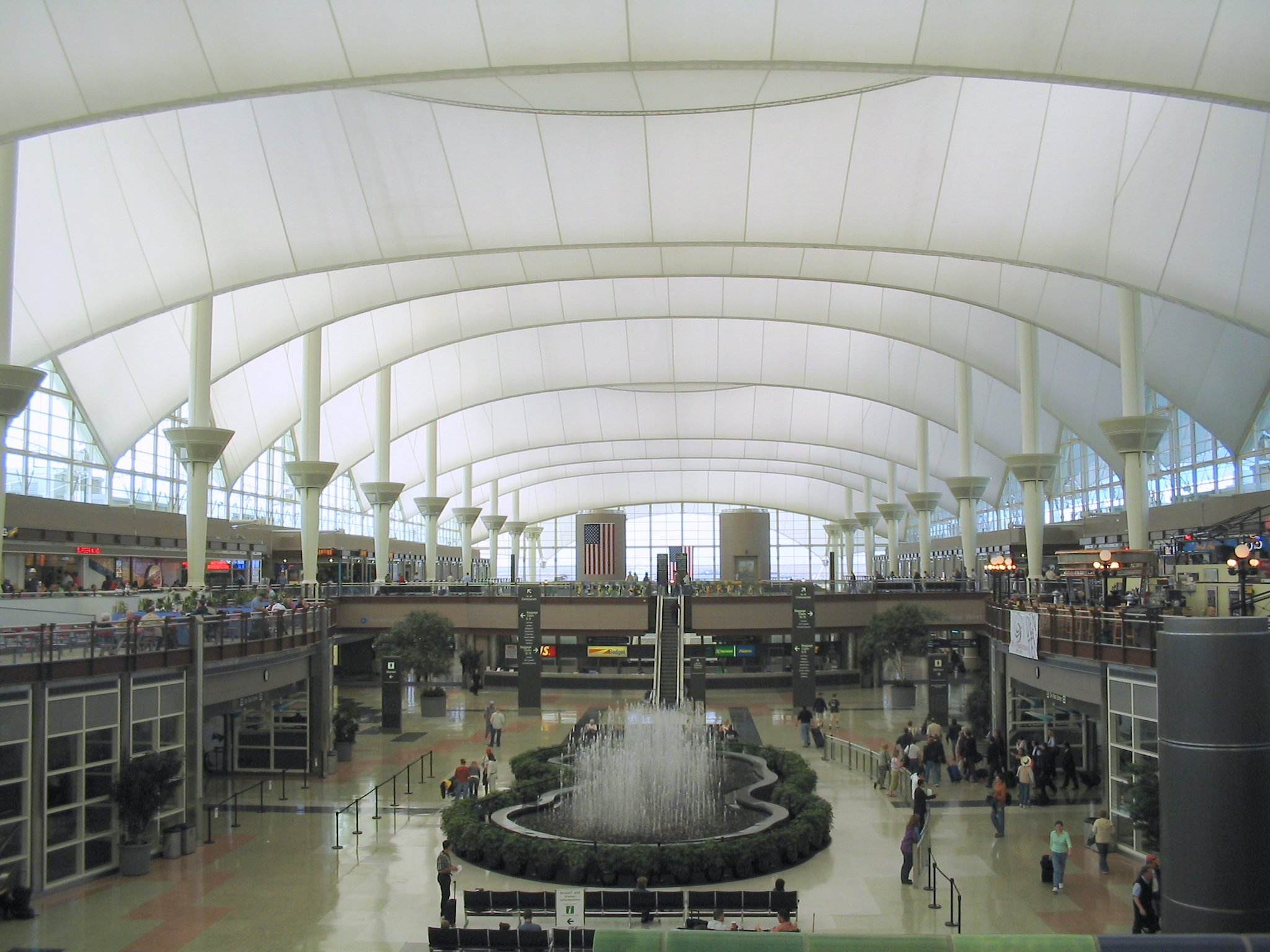
A gustnado touched down near Denver International Airport on Sunday afternoon without causing any damage [1, 2].
The event marks a significant meteorological milestone for the region as the first confirmed tornado in Colorado for 2026 [2]. While gustnados are often less destructive than traditional tornadoes, their appearance near a major aviation hub highlights the volatility of local weather patterns during the spring season.
The vortex formed in the eastern Aurora area, specifically south of the airport [1, 2]. A gustnado is a short-lived vortex created by strong wind gusts and downdrafts [2]. Unlike supercell tornadoes, which are born from rotating thunderstorms, these vortices typically form along the leading edge of a storm's outflow boundary.
Local reports indicate the phenomenon was brief and did not result in injuries or property destruction [1, 2]. The touchdown occurred in an open area, which likely mitigated the risk to infrastructure and travelers at the nearby airport [1].
Weather observers monitored the system as it moved through the eastern Aurora region. The event underscores the tendency for rapid atmospheric shifts in the U.S. Midwest and Mountain West, where sudden downdrafts can trigger spinning columns of air, even without the presence of a massive storm system [2].
“The gustnado touched down near Denver International Airport without causing damage.”
The occurrence of a gustnado near a major transportation artery like Denver International Airport serves as a reminder of the atmospheric instability common in Colorado's geography. Although this specific event caused no damage, the classification of this event as the year's first confirmed tornado establishes a baseline for the 2026 severe weather season in the state.


