
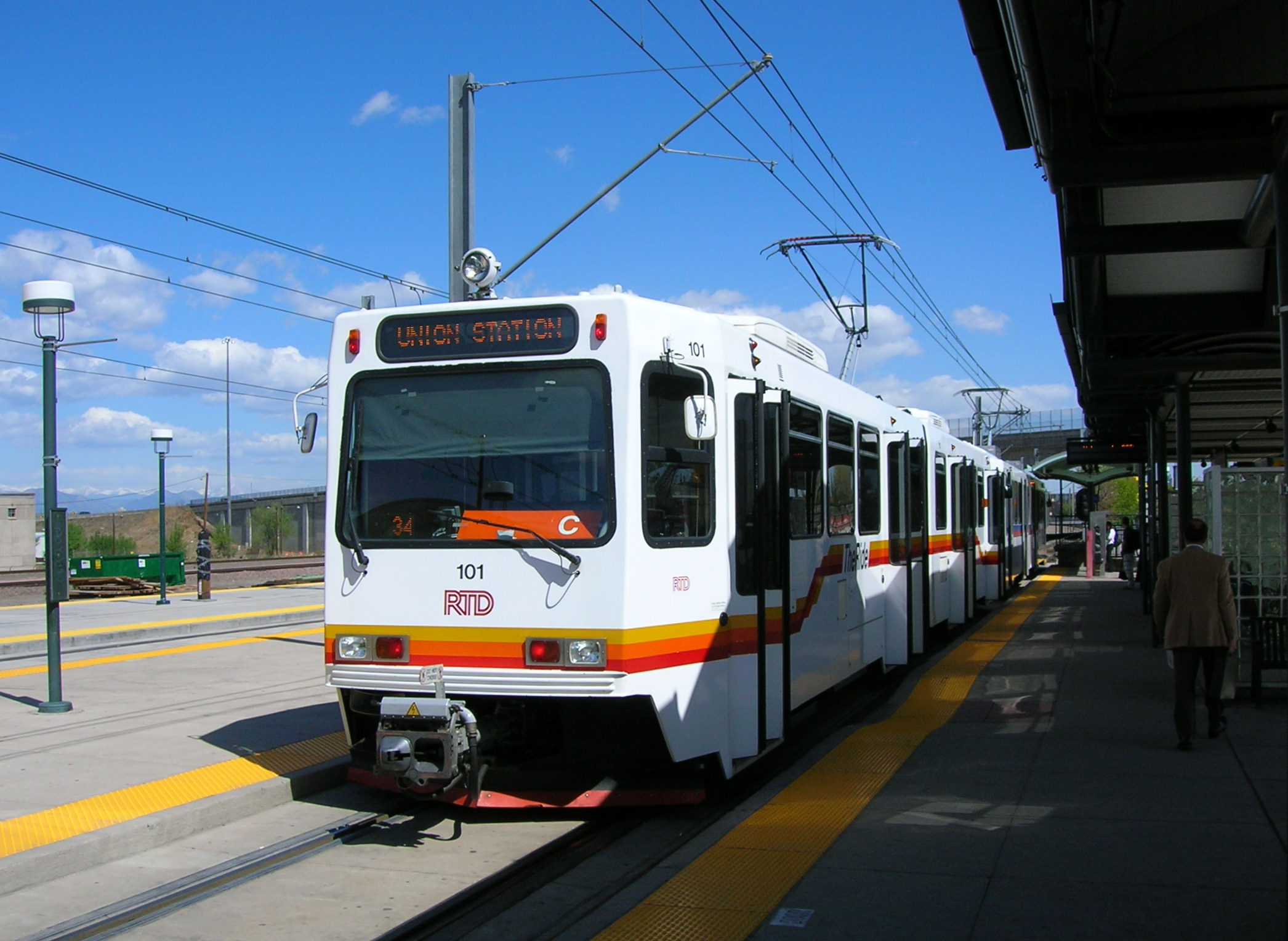
The Regional Transportation District (RTD) of Denver is adding extra train cars to light-rail and commuter-rail lines this weekend [1, 2].
This expansion is necessary to prevent overcrowding and ensure transit efficiency as thousands of visitors descend on the city center. Because multiple high-capacity venues are hosting events simultaneously, the standard transit schedule would likely be insufficient to manage the passenger volume.
RTD officials said they are targeting several key locations in downtown Denver to manage the expected influx [1, 2]. The additional cars will serve attendees traveling to Empower Field at Mile High and Coors Field, where sporting events typically draw large crowds. Transit capacity is also being bolstered for those visiting the Colorado Convention Center and the Auraria Campus [1, 2].
The decision to increase rail capacity comes as a direct response to the anticipated surge in ridership [1, 2]. By deploying more cars, the agency aims to reduce wait times and prevent platform congestion during peak arrival and departure windows. The strategy focuses on the high-traffic corridors that connect residential areas, transit hubs, and the central business district.
Transit users are encouraged to plan for longer-than-usual boarding times despite the added capacity. The agency's effort to scale up operations reflects the logistical challenges of managing urban mobility when multiple major venues operate at full capacity on the same weekend [1, 2].
“RTD is adding extra train cars to its light-rail and commuter-rail lines to handle an expected surge in ridership.”
This operational shift highlights the strain that simultaneous large-scale events place on urban infrastructure. By proactively increasing rail capacity, RTD is attempting to mitigate the 'last-mile' congestion that often occurs when sports and convention crowds converge, potentially reducing the reliance on ride-sharing services and private vehicles in the downtown core.


