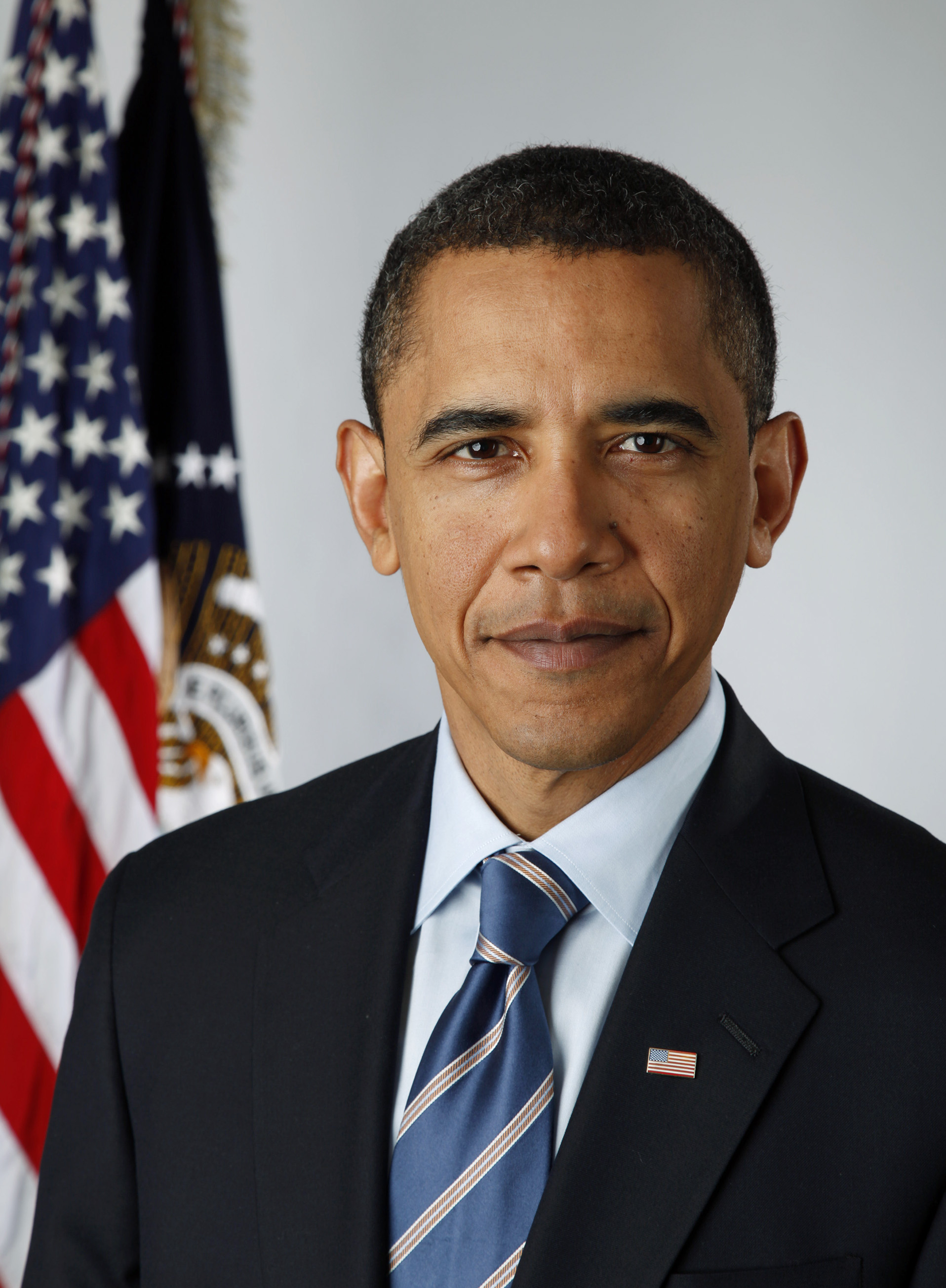
The U.S. Department of Justice approved the merger of Paramount Global, including Skydance Media, with Warner Bros. Discovery on Monday [1].
This consolidation represents one of the largest media deals in history, shifting the balance of power in the entertainment industry. The move signals a significant pivot in how major studios manage content distribution and streaming assets in an increasingly competitive digital landscape.
According to reports, the transaction is valued at approximately $110 billion [2] to $111 billion [1]. The DOJ cleared the deal after determining that the merger does not threaten competition within the United States [2].
"The Department of Justice has determined the transaction does not pose a threat to competition in the United States," a DOJ spokesperson said [2].
David Ellison, who is central to the new entity's leadership, expressed optimism regarding the scale of the combined company. "We are pleased to move forward with this transaction that will create a world‑class entertainment company," Ellison said [1].
Despite the federal approval, the merger has faced scrutiny from observers. Some critics suggest the deal could increase media concentration among investors aligned with Donald Trump [1]. These concerns focus on the potential for narrowed editorial independence as ownership of major news and entertainment outlets consolidates into fewer hands.
The approval on June 15, 2026 [1], allows the companies to begin the process of integrating their vast libraries of intellectual property, and streaming services. This integration will likely involve significant restructuring of corporate operations to realize the projected value of the merger.
“The transaction is valued at approximately $110 billion to $111 billion.”
The approval of this merger creates a media behemoth with unprecedented control over film, television, and streaming content. By clearing the deal, the DOJ has prioritized the economic viability of these legacy studios over concerns regarding media plurality. The resulting concentration of ownership may lead to a more homogenized media landscape, particularly if the investing group exerts influence over the journalistic and creative direction of the merged entities.