
Five orphaned children left an Ebola treatment center in Bunia, Democratic Republic of Congo, on Tuesday, June 9 [1].
The recovery of these children, several of whom are babies, highlights the critical nature of specialized care for vulnerable populations during viral outbreaks. Their release provides a rare positive outcome amid the complexities of managing Ebola in the region.
Health officials cleared the children for release after they completed their treatment and received two consecutive negative test results [2]. The children had been exposed to the virus and required isolation to prevent further spread while receiving medical care [3].
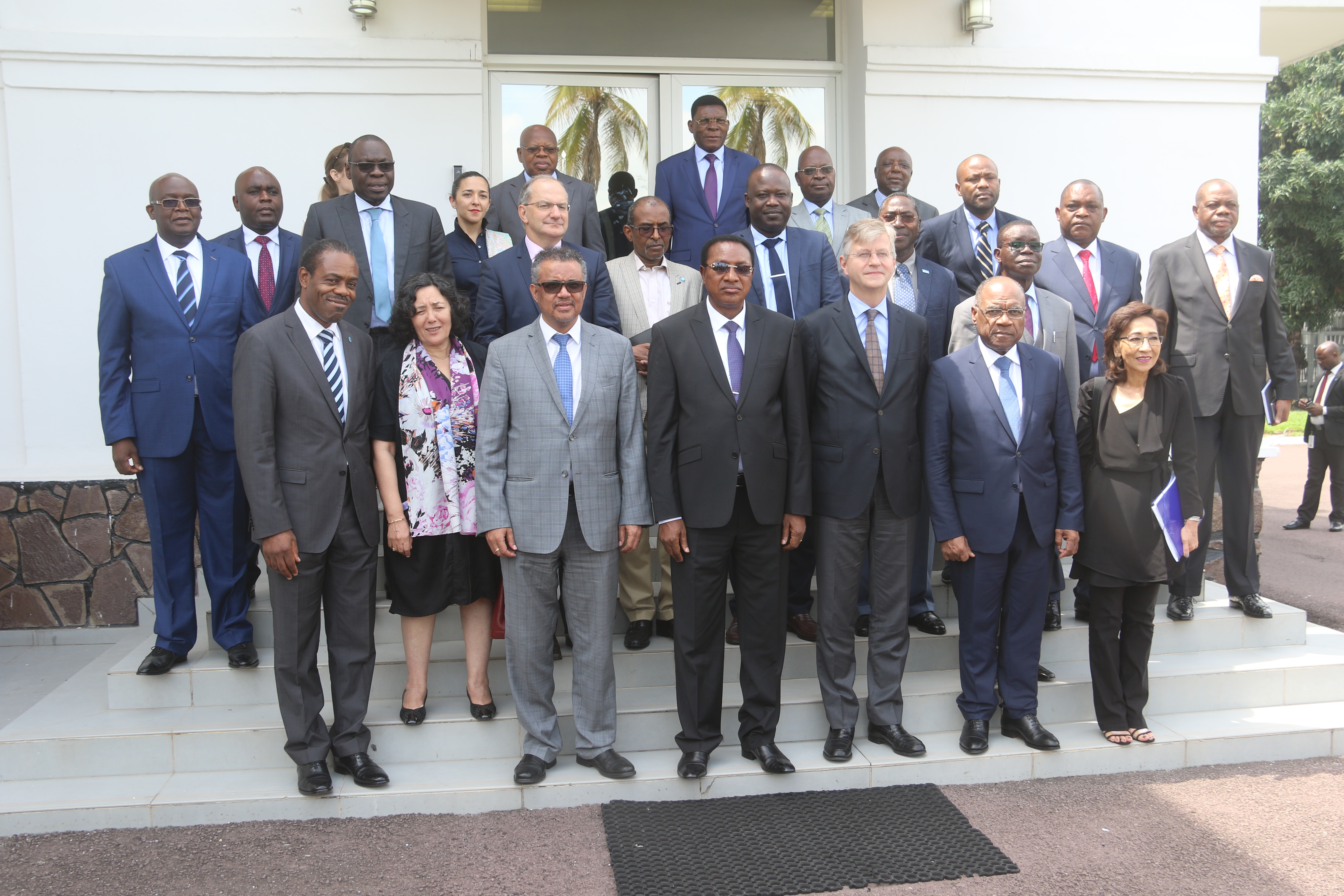
WHO Director-General Dr. Tedros Adhanom Ghebreyesus provided details on the timeline of the releases. "Four people will be discharged today and there was one that was discharged the day before yesterday," he said [4].
While these recoveries are a success for the Bunia facility, the broader medical infrastructure in the region faces significant hurdles. A World Health Organization spokesperson said, "Three laboratories in Democratic Republic of Congo have run out of supplies to test for Ebola" [5].
The shortage of testing supplies threatens the ability of health workers to monitor the outbreak and certify patients as recovered. Without consistent laboratory resources, the process of confirming negative results for other patients may be delayed, potentially extending the time children and adults must spend in isolation.
“Five orphaned children left an Ebola treatment center in Bunia, Democratic Republic of Congo.”
The discharge of these children demonstrates the effectiveness of current Ebola treatment protocols, but the simultaneous report of laboratory supply shortages reveals a precarious healthcare system. If the DR Congo cannot maintain testing capabilities, the ability to safely discharge patients and track the virus's spread will be severely compromised.


