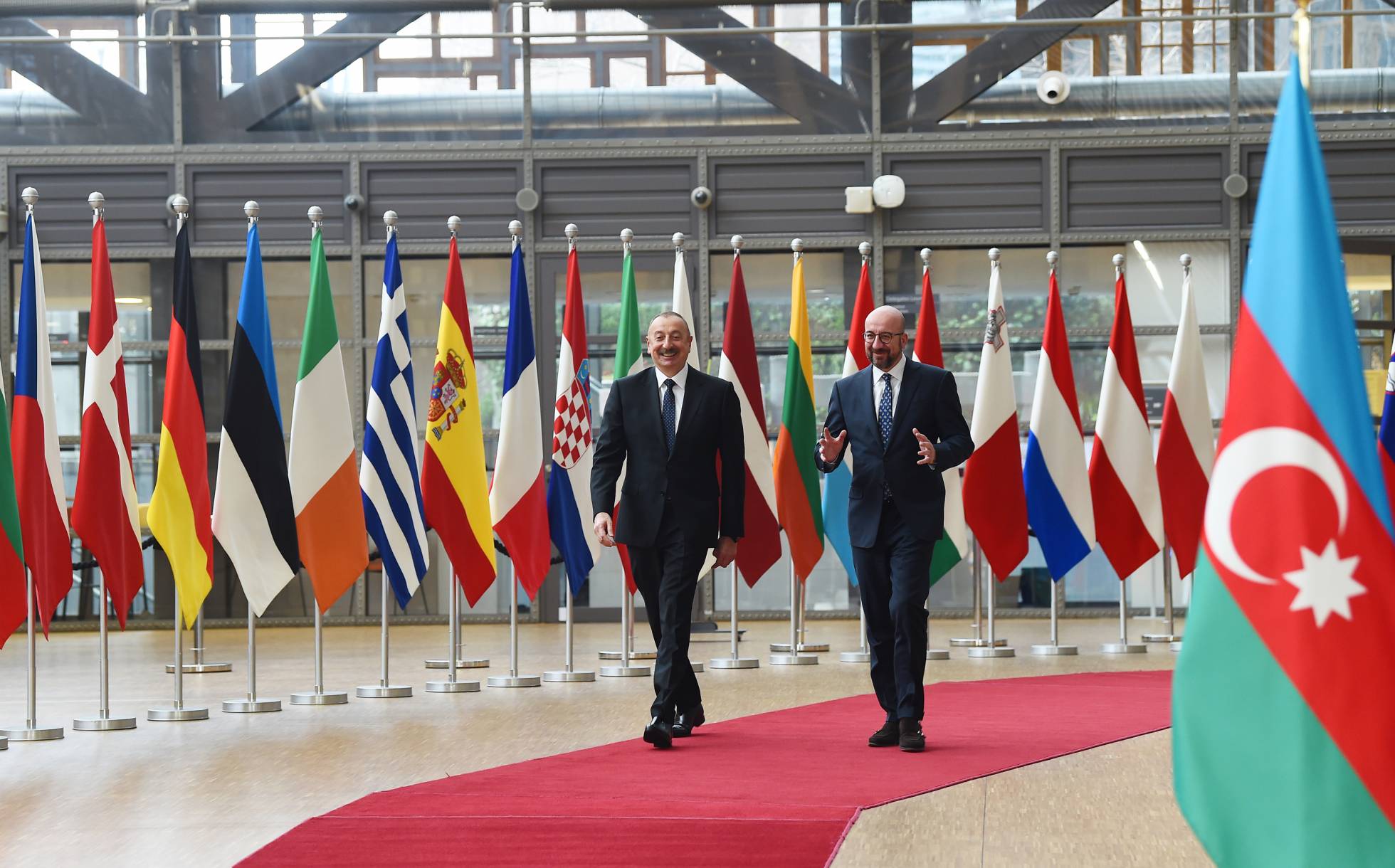
European Union leaders met in Brussels on Friday for the second day of a summit to debate the bloc's long-term budget [1].
The outcome of these negotiations will determine the financial framework for the union through 2034, impacting how member states fund collective goals, and manage internal economic disparities.
Discussions on June 19, 2026, focused specifically on the budget period for 2028-2034 [1]. Leaders are working to establish funding sources and address the ongoing tension between net contributors and beneficiary nations [1]. These financial disagreements often center on how wealth is redistributed across the bloc to support less affluent members.
The two-day summit also serves as a forum for broader geopolitical strategy [2]. Beyond the internal budget, leaders are holding talks regarding global economic challenges and the continued provision of support for Ukraine [2]. These discussions occur as the EU seeks to balance its long-term fiscal sustainability with the immediate needs of regional security.
While the current focus remains on the 2028-2034 budget [1], the summit reflects the complexity of aligning 27 different national interests. The debate over funding sources is critical because any shift in how the budget is financed can trigger political friction within member states.
Brussels remains the central hub for these deliberations, with leaders seeking a consensus that satisfies both the fiscal hawks and those calling for increased investment in EU-wide initiatives [1].
“EU leaders are working to establish funding sources and address the ongoing tension between net contributors and beneficiary nations.”
The focus on the 2028-2034 budget indicates that the EU is attempting to secure fiscal predictability years in advance. By addressing the friction between net contributors and beneficiaries now, the bloc aims to prevent the kind of budgetary paralysis that can hinder its ability to respond to external crises, such as the conflict in Ukraine or sudden global economic shifts.


