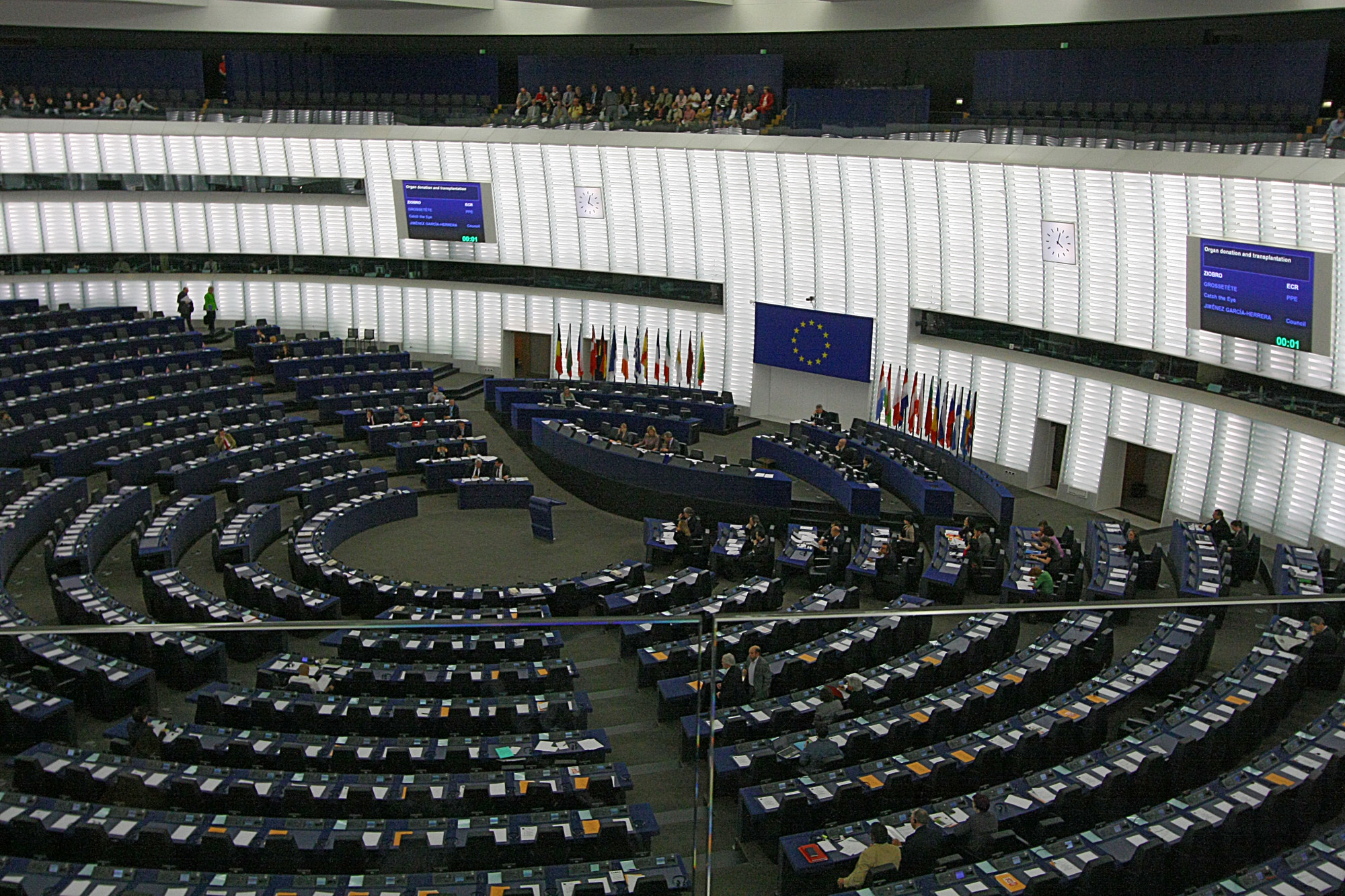
Members of the European Parliament Benedetta Scuderi and Andrea Wechsler debated how Europe can prepare for a hotter future during a televised discussion.
This conversation arrives as the continent faces increasing frequency and intensity of heatwaves caused by climate change. The shift necessitates immediate adaptation measures to prevent public health crises and infrastructure failure in densely populated urban centers.
During the Euronews episode, which aired at 20:30 CET [1], the officials addressed the urgent need for systemic changes. The discussion focused on the resilience of public services, specifically highlighting the need for hospital upgrades to handle surges in heat-related admissions.
Urban planning is another critical pillar of the strategy. In cities like Paris, France, the impact of extreme heat is magnified by the urban heat island effect, where concrete and asphalt trap warmth. Experts said that modifying city layouts and increasing green spaces are essential to lower ambient temperatures.
The debate referenced the severe heatwave season of 2025 [2], which served as a catalyst for these policy discussions. That period demonstrated that existing cooling infrastructure is insufficient for the current trajectory of global warming.
Policymakers are now weighing the costs of retroactive urban cooling against the potential loss of life and economic productivity. The goal is to transition from reactive emergency management to a proactive model of climate resilience. This involves not only architectural changes, but also updated public health protocols to protect vulnerable populations during peak summer months.
“Europe can prepare for a hotter future amid record‑breaking heatwaves”
The shift in focus from mitigation to adaptation signals a recognition by European leaders that extreme heat is no longer a theoretical risk but a current reality. By prioritizing hospital resilience and urban redesign in cities like Paris, the EU is attempting to decouple rising temperatures from rising mortality rates, acknowledging that infrastructure built for a cooler century is now a liability.