
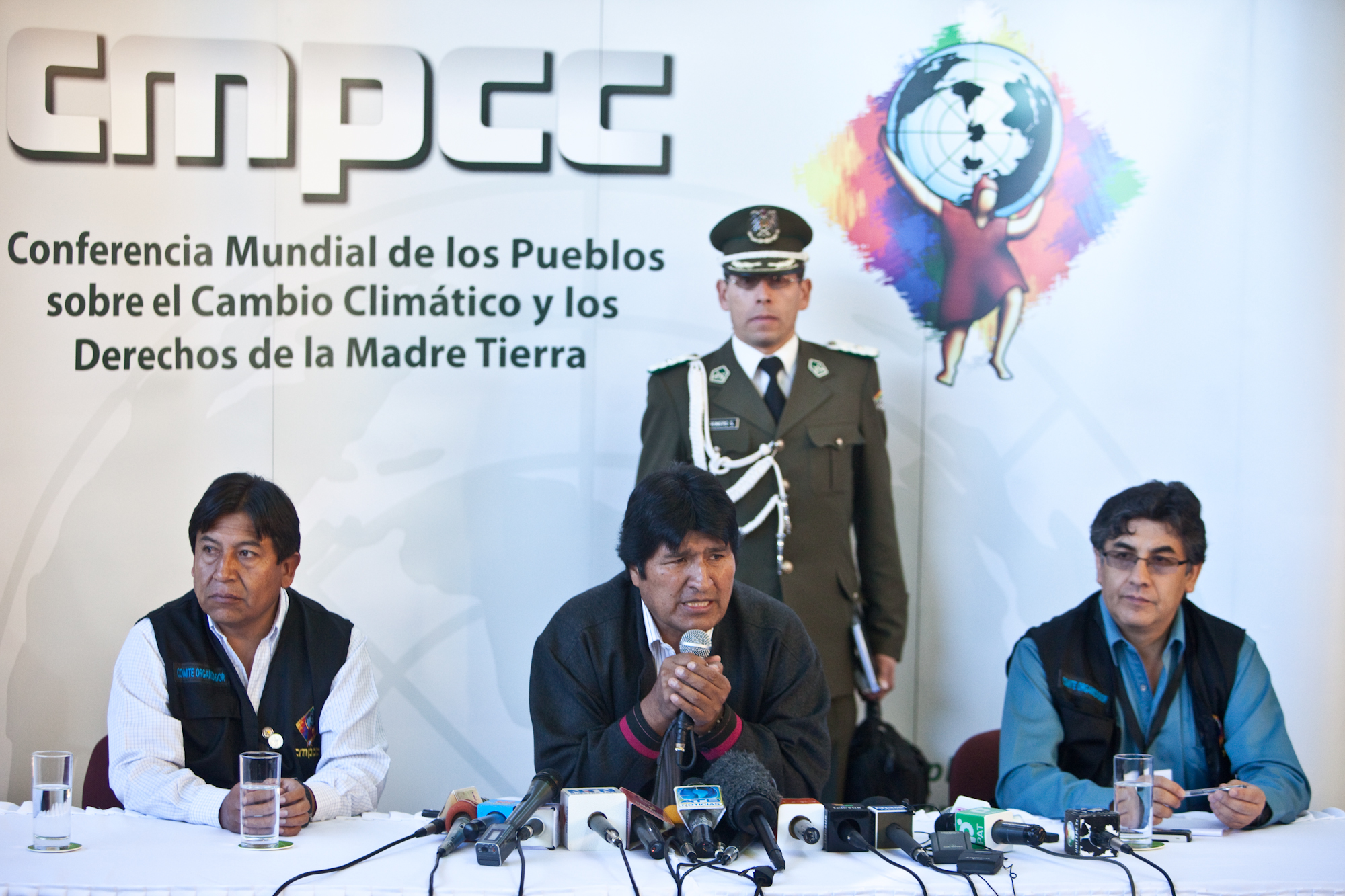
Former Bolivian President Evo Morales has requested that the government call for new national elections within 90 days [1].
The demand comes as the administration of President Rodrigo Paz faces growing instability. This request signals a potential escalation in the political crisis, as Morales seeks a formal electoral path to resolve the current unrest.
Protests against the government of President Paz have intensified across Bolivia [1]. The unrest has created a volatile environment, prompting Morales to intervene and propose a timeline for a new vote to restore political order.
Morales said that the electoral process should be initiated within 90 days [1]. This timeframe suggests an urgency to address the grievances of the protesters, and the perceived lack of legitimacy or stability under the current leadership.
While the government has not yet responded to the request, the call for new elections reflects the deep political divisions within the country. The movement for new polls is tied directly to the ongoing demonstrations against the Paz administration [1].
The political landscape remains tense as supporters of Morales and other opposition groups continue to voice their dissent. The demand for a quick election cycle is intended to serve as a pressure valve for the mounting public anger directed at the presidency [1].
“Evo Morales has requested that the government call for new national elections within 90 days.”
The request by Evo Morales represents a strategic attempt to leverage street protests to force a constitutional reset. By setting a specific 90-day deadline, Morales is attempting to shift the conflict from spontaneous demonstrations to a structured political contest, potentially positioning himself or his allies to reclaim power as the legitimacy of President Rodrigo Paz's government weakens.


