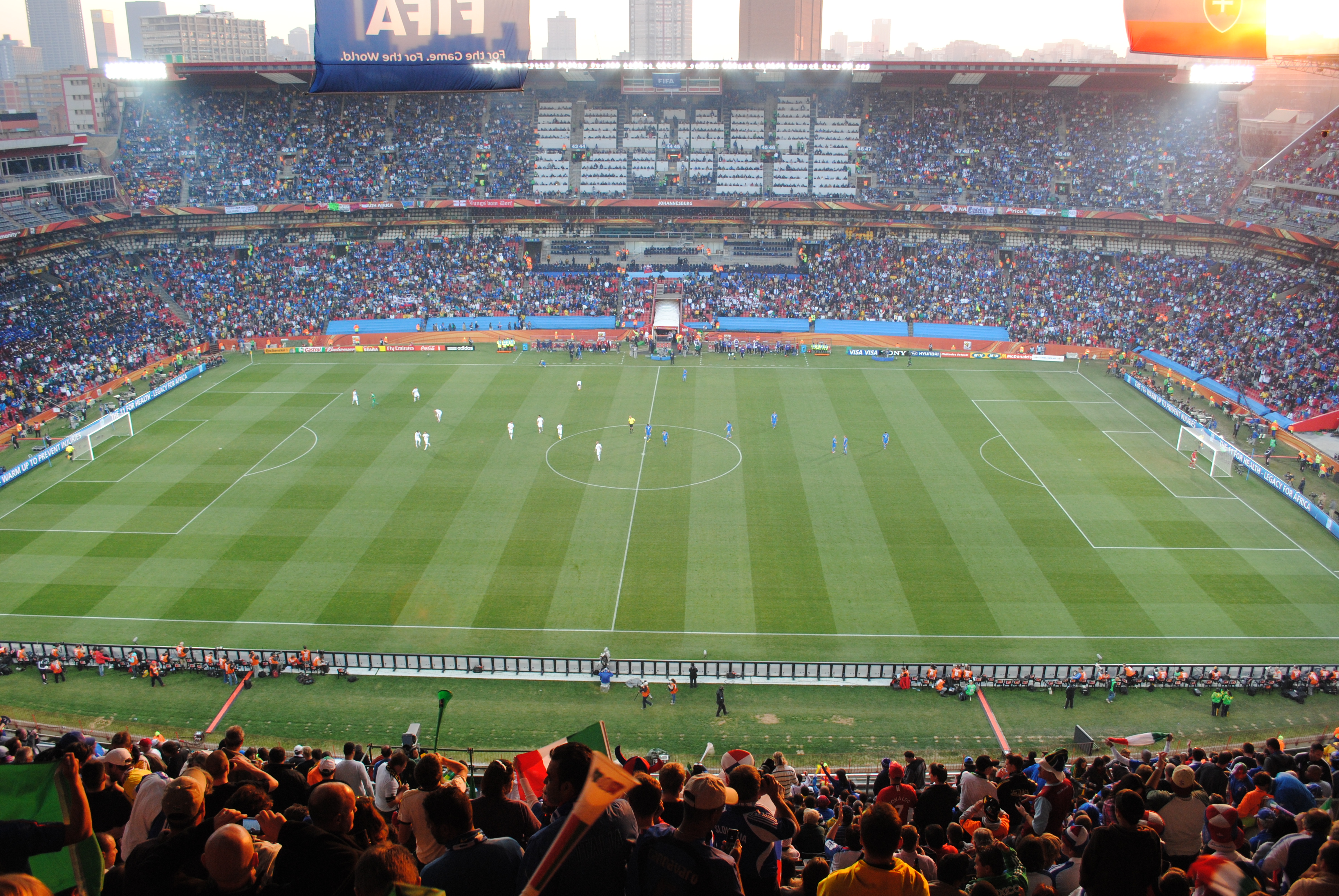
FIFA World Cup concession prices are determined by revenue-sharing contracts between the governing body and stadium vendors [1].
These pricing structures impact thousands of fans attending matches across North America, as the financial arrangements often prioritize profit margins over affordability. Because FIFA controls the commercial rights for the tournament, the costs of food and beverages are tied to the specific terms agreed upon by vendors to secure the right to operate within the venues [1].
Sports economist Victor Matheson said these contractual arrangements explain why prices can reach extreme levels. The model often creates a scenario where vendors must charge higher rates to meet the revenue requirements of the tournament's organizers [1].
Price points vary significantly across different host cities. While some venues have been described as pursuing greed with their pricing, others have maintained more fan-friendly rates [2]. For example, reports indicate that Atlanta kept its concession prices lower than several other stadiums in the tournament rotation [2].
In some locations, the cost of refreshments has reached levels that have sparked public disbelief. One report highlighted a single glass of wine costing $26 [3] at a World Cup stadium. Such pricing reflects the high demand and the limited competition within the controlled environment of the stadium gates.
Matheson said the disparity in pricing depends on how individual stadiums and their operators navigate the requirements set by FIFA. While the governing body sets the overarching framework, the final price on the menu is a result of the vendor's need to cover costs, and fulfill revenue-sharing obligations [1].
“FIFA World Cup concession prices are determined by revenue-sharing contracts between the governing body and stadium vendors.”
The variation in concession pricing reveals a tension between FIFA's standardized commercial requirements and the local management of host stadiums. While the revenue-sharing model ensures the governing body captures a significant portion of event spending, it leaves the final cost to the consumer dependent on the specific vendor's strategy and the stadium's willingness to prioritize fan experience over maximum profit.


