
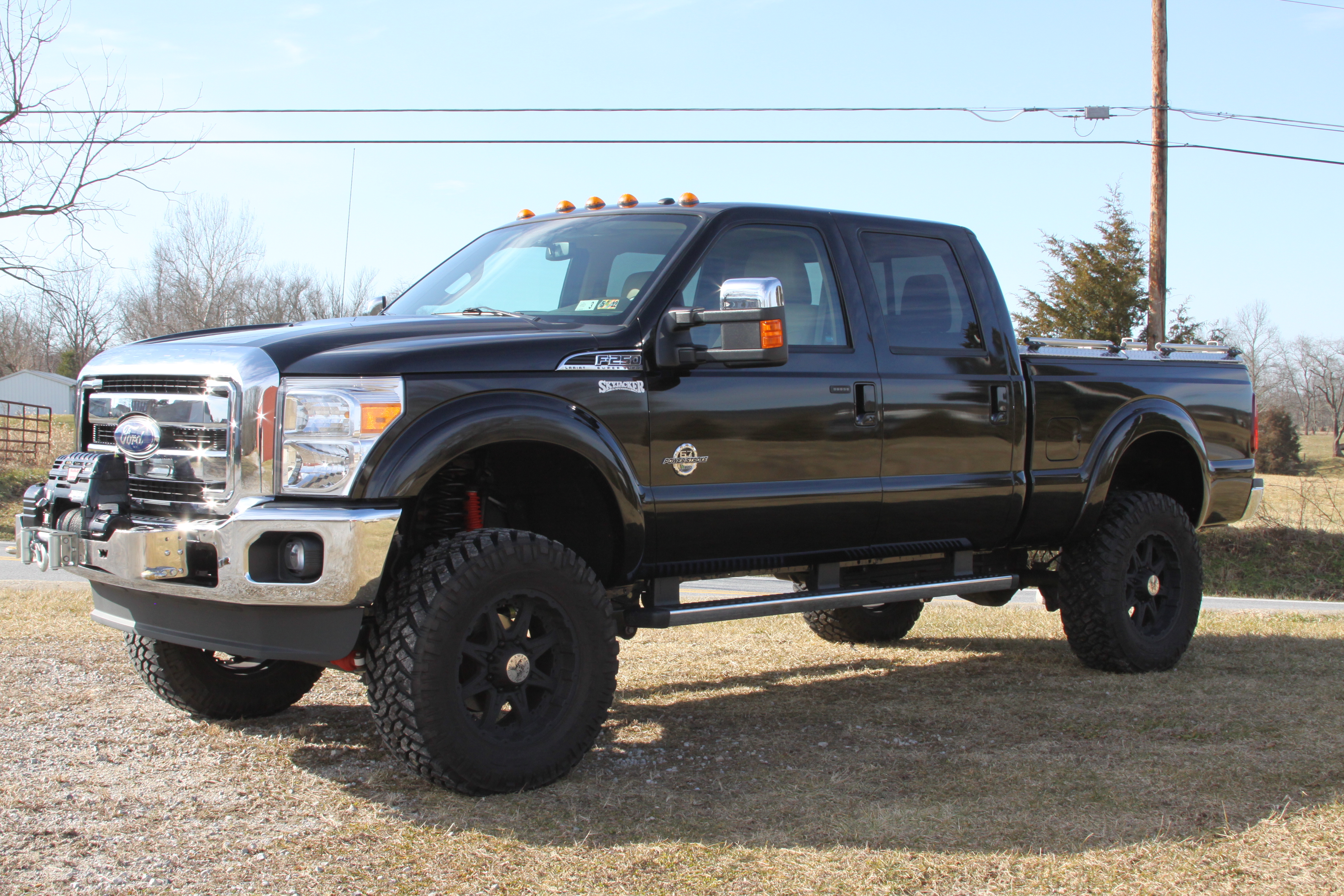
A robin built a nest containing four eggs [1] on the tire of a sold Ford F-250 [2] at a Kansas dealership this month.
The situation highlights the strict application of federal wildlife laws, where the protection of a few birds outweighs the immediate property rights of a vehicle owner.
The incident occurred at an Olathe Ford-Lincoln dealership in Olathe, Kansas [1]. The truck had already been sold to a buyer, but the vehicle cannot be moved from the lot because of the nest's location [2].
Under the Migratory Bird Treaty Act [5], it is illegal to disturb or move the eggs of protected species. Because the robin chose the tire of the Ford F-250 [2] as a nesting site, the truck must remain stationary until the birds leave the nest [3].
Federal law provides these protections to ensure the survival of bird populations across North America. Moving the vehicle would constitute a violation of the act, potentially exposing the dealership or the buyer to legal penalties [3]. The dealership is currently maintaining the vehicle in place to comply with these regulations [2].
The buyer must wait for the eggs to hatch and the young birds to fledge before the truck can legally be driven off the lot [2]. This creates a rare legal stalemate where a high-value commercial asset is rendered immobile by a small bird.
“the truck must remain on the lot”
This incident demonstrates the primacy of the Migratory Bird Treaty Act over private commerce. Because the act provides broad protections regardless of where a nest is built, property owners and businesses often find themselves in legal limbo when wildlife interacts with mobile assets, as the law does not provide a waiver for convenience or financial loss.


