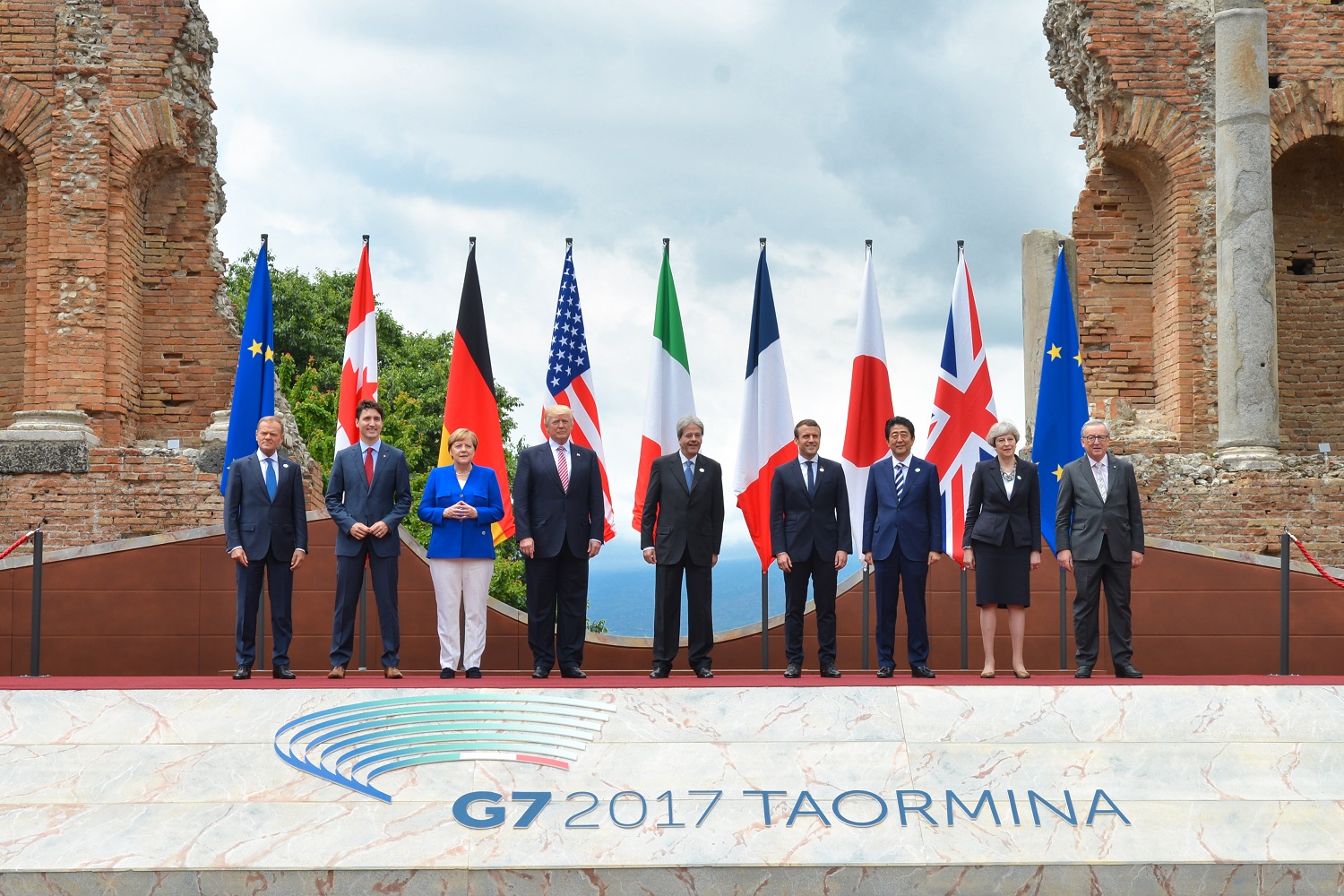
G7 leaders met in Évian‑les‑Bains, France, to discuss artificial intelligence, global economic growth, and the tightening of sanctions on Russia.
The gathering marks a critical effort by the world's leading industrialized democracies to synchronize their approach to emerging technology and geopolitical instability. By addressing AI security and mineral dependencies, these nations aim to protect economic sovereignty while managing global conflicts.
On the third and final day of the summit [1], the agenda shifted toward the intersection of technology and the economy. Leaders held sessions focusing on AI safety, sovereignty, and the potential for the technology to drive economic growth [2]. These discussions took place on Wednesday [2], as the group sought to establish frameworks for AI security risks.
Beyond technology, the G7 focused on reducing strategic vulnerabilities. A primary goal of the discussions was cutting the group's reliance on critical minerals sourced from China [3]. This move is intended to diversify supply chains and ensure that essential materials for green energy and tech are not controlled by a single adversary.
Geopolitical tensions remained central to the summit's closing hours. Leaders discussed the ongoing war in Ukraine and the conflict in West Asia, including the welcoming of an interim peace deal in the Middle East [3]. The group also deliberated on further tightening sanctions against Russia to respond to its continued aggression [3].
While some reports suggest that the wars in Iran and Ukraine dominated the global agenda, other accounts emphasize that AI and GDP growth were the primary focus of the final day [3]. Regardless of the priority, the summit concluded with a commitment to unwavering cooperation among member states [3].
“Leaders discussed artificial intelligence, global economic growth, and the tightening of sanctions on Russia.”
The G7's focus on AI sovereignty and mineral independence signals a strategic pivot toward 'de-risking' from China. By linking technological safety with economic growth and geopolitical security, the member nations are attempting to create a unified bloc that can maintain a competitive edge in the AI race while simultaneously isolating Russia through financial pressure.