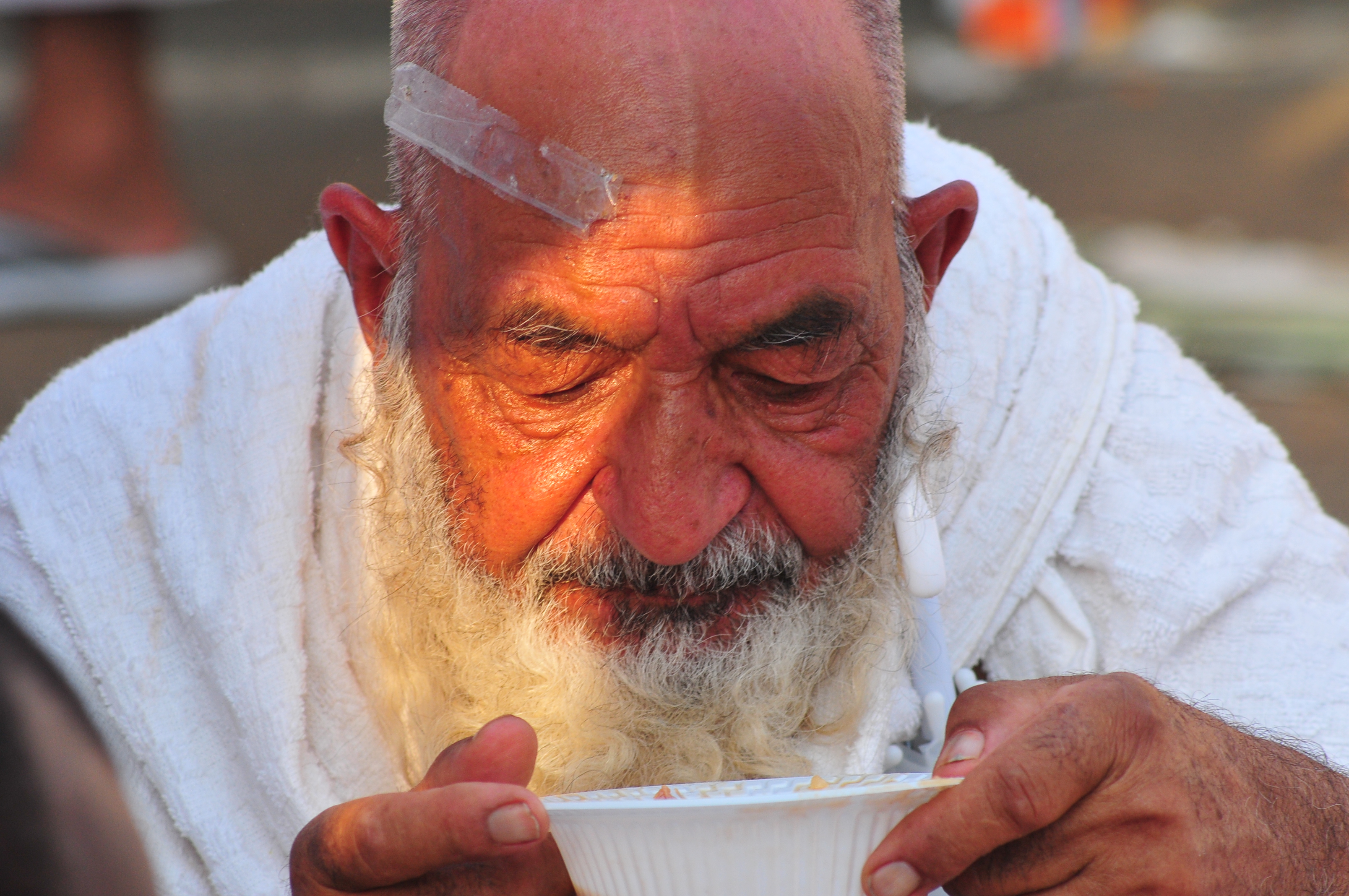
Muslim pilgrims gathered at Mount Arafat near Mecca, Saudi Arabia, to pray during the Hajj 2026 pilgrimage [1, 2].
This gathering marks the pinnacle ritual of the Hajj, representing the most sacred day of the pilgrimage. It is the primary moment where devotees seek forgiveness and offer supplications to God [1, 2].
Live scenes from the site show pilgrims in states of deep devotion. After arriving in Mina, the pilgrims transitioned to the plains of Arafat to perform the required rites [1]. The event serves as a spiritual focal point for millions of Muslims traveling from across the globe to the holy site [2].
Preparation for the 2026 journey began months in advance, with some reports noting that there were fewer than two months remaining until the start of the pilgrimage period [3]. This timeline highlights the extensive logistical and spiritual planning required for participants to reach Saudi Arabia.
The rituals at Mount Arafat are central to the validity of the Hajj. Pilgrims spend the day in prayer and reflection, an act that symbolizes a rehearsal for the Day of Judgment. This collective experience of faith brings together a diverse global population in a shared act of worship [1, 2].
Following the prayers at Arafat, pilgrims typically move toward Muzdalifah and then back to Mina to complete the remaining stages of the pilgrimage. The coordination of these movements involves significant infrastructure and security measures to manage the high volume of people in a concentrated area [1].
“Muslim pilgrims gathered at Mount Arafat near Mecca, Saudi Arabia, to pray during the Hajj 2026 pilgrimage.”
The Day of Arafat is the theological core of the Hajj; without its completion, the pilgrimage is considered invalid. The scale of the 2026 gathering underscores the continued importance of the physical pilgrimage despite evolving global travel conditions and the immense logistical challenge Saudi Arabia faces in managing millions of people in a small geographic area.