
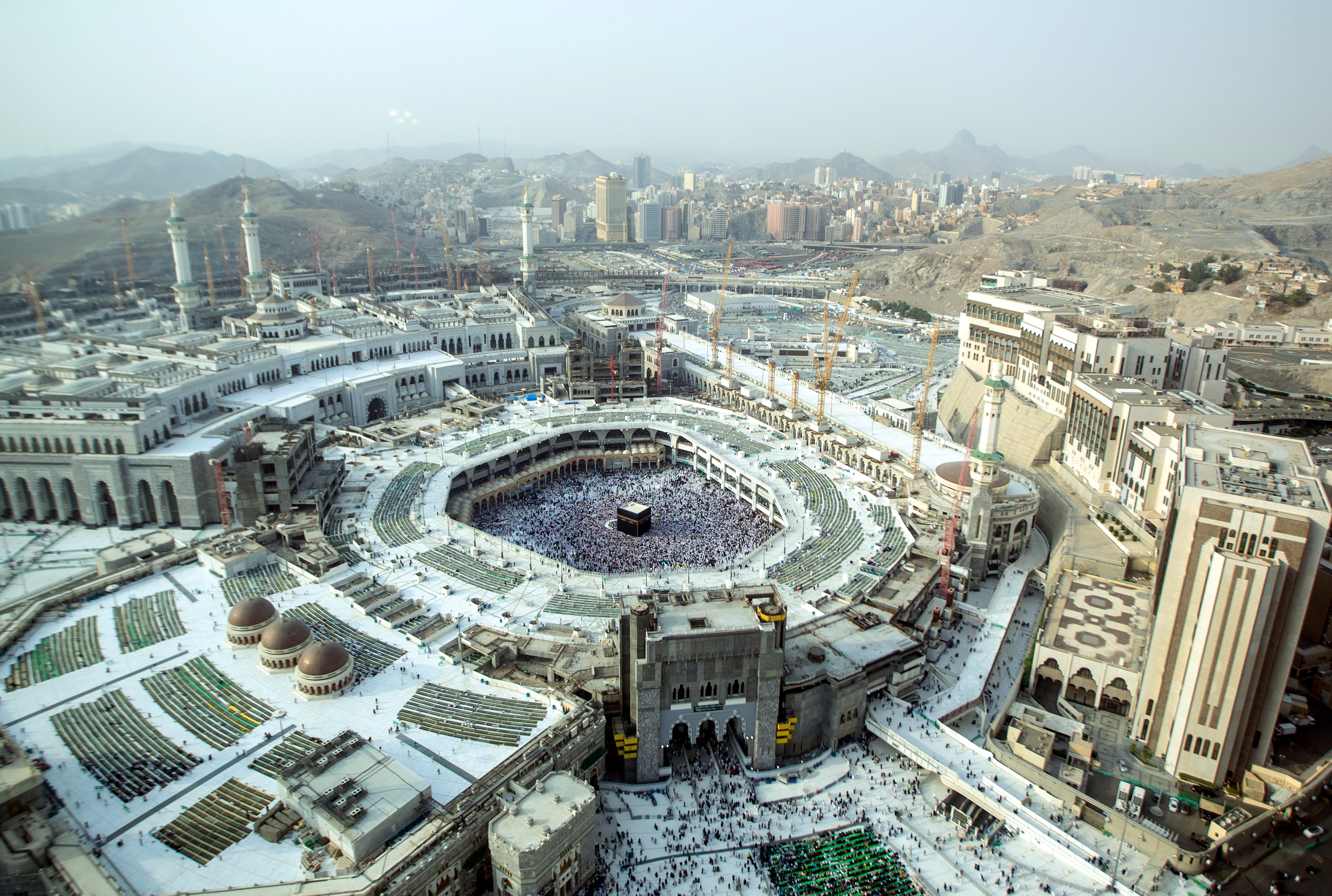
Hajj pilgrims began the ritual stoning of the three jamarat in Mina this week as part of the Tashreeq rites [1].
This stage of the pilgrimage represents a critical transition in the Hajj, where millions of Muslims gather in Saudi Arabia to perform acts of devotion and symbolic rejection of temptation.
The pilgrims are currently observing the first of the Tashreeq days, which span from the 11th to the 13th of Dhu al-Hijjah [3]. According to reports from Al Jazeera Arabic, the process involves stoning three pillars [1]. This ritual follows the performance of the Hady sacrifice, adhering to the traditions established by the Prophet Muhammad [1].
Reports regarding the specific day of the ritual's commencement varied among news outlets. Al Jazeera Arabic said the activity occurred on Thursday [1], while BBC Arabic said the rituals continued on Saturday [2].
In Mina, located in the Mecca region of Saudi Arabia, the pilgrims remain stationed to complete these mandatory rites [3]. The stoning of the jamarat is one of the most crowded moments of the pilgrimage, requiring significant logistical coordination by Saudi authorities to ensure the safety of the participants.
"Pilgrims of the House of God continue today, Thursday, the stoning of the jamarat in the Mina sanctuary on the first of the Tashreeq days," Al Jazeera Arabic said [1].
Other sources highlighted the stability of the pilgrims in the area. Al Arabiya said pilgrims settled in the Mina sanctuary on Saturday, the 11th of Dhu al-Hijjah, to continue stoning the three jamarat [3].
“Hajj pilgrims began the ritual stoning of the three jamarat in Mina this week.”
The stoning of the jamarat is a pivotal symbolic act in the Hajj, representing the defiance of evil. Because this ritual occurs during the Tashreeq days and involves massive crowds moving toward specific pillars in Mina, it is often the most challenging phase for Saudi crowd-management systems to regulate, making the successful flow of pilgrims a key indicator of the season's operational success.


