
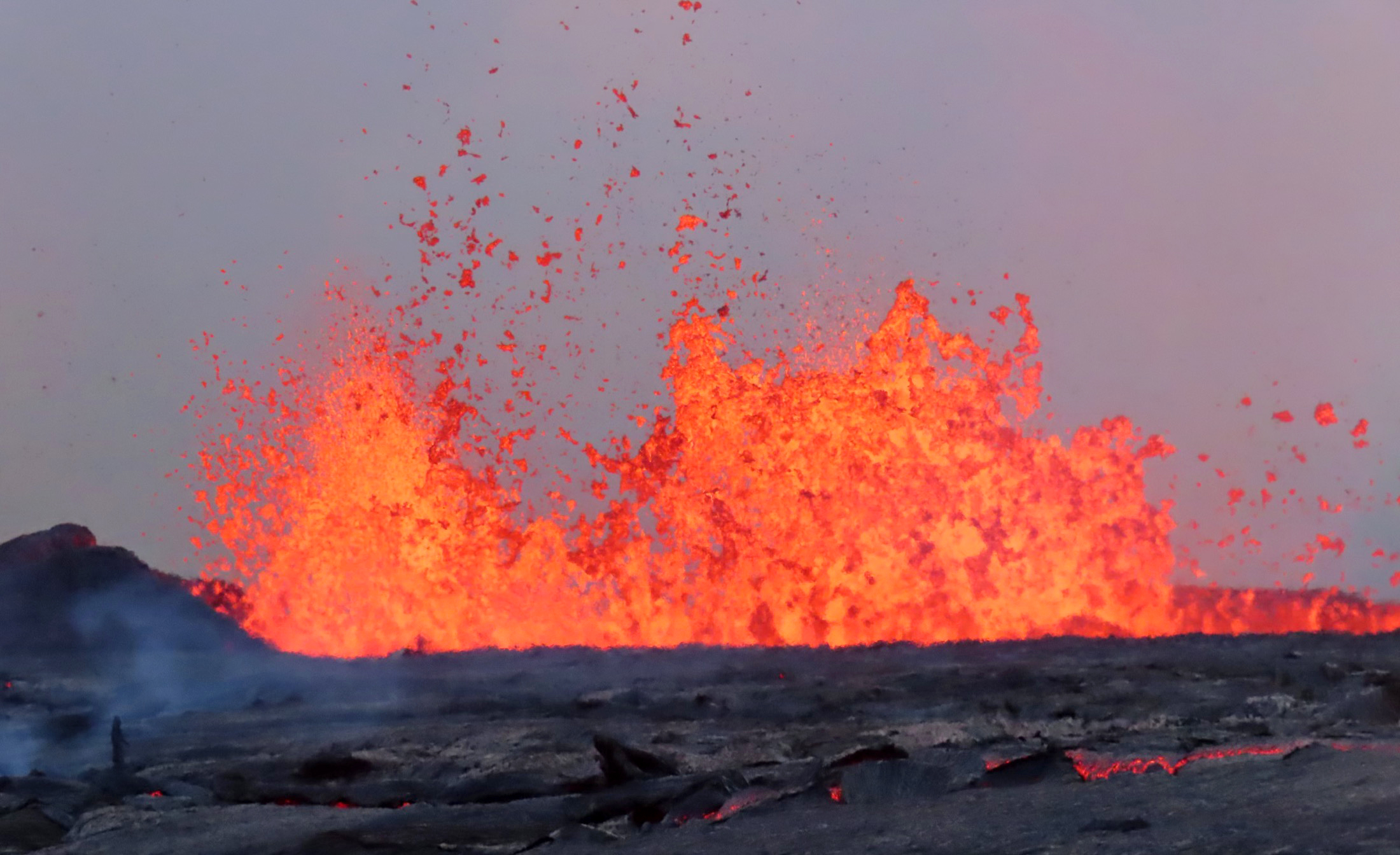
A magnitude 6.0 [1] earthquake struck Hawaii's Big Island on Friday night near Hōnaunau‑Nāpōʻopoʻo [2].
The seismic event occurs as scientists monitor the Kilauea volcano, which is now considered likely to erupt again in the coming days [1]. This combination of a strong earthquake and volcanic instability creates a high-alert environment for residents on the western side of the island.
According to the U.S. Geological Survey, the earthquake hit at 9:46 p.m. HST Friday [3]. Officials said that no tsunami is expected following the quake [3]. The shaking was centered near Hōnaunau‑Nāpōʻopoʻo, located on the western side of the Big Island [2].
Geologists are closely tracking the activity of Kilauea, which has been a focal point of seismic monitoring. The volcano previously began an eruption cycle in December 2024 [4]. Current data suggests a narrow window for the next event, with scientists forecasting a potential eruption between Sunday and Wednesday [4].
While the earthquake itself caused immediate alarm, the primary concern for local authorities remains the volcanic activity. The relationship between the magnitude 6.0 [1] quake and the magma movements within Kilauea is a critical point of study for the monitoring teams. Local residents are advised to stay informed through official channels as the window for a possible eruption approaches [4].
“A magnitude 6.0 earthquake struck Hawaii's Big Island on Friday night.”
The proximity of a significant seismic event to an active volcanic system often indicates shifting magma or tectonic stress that precedes an eruption. Because Kilauea has been active since late 2024, this earthquake may be a precursor to the eruption window forecast for early next week, increasing the risk of lava flows or ash fall for local communities.


