
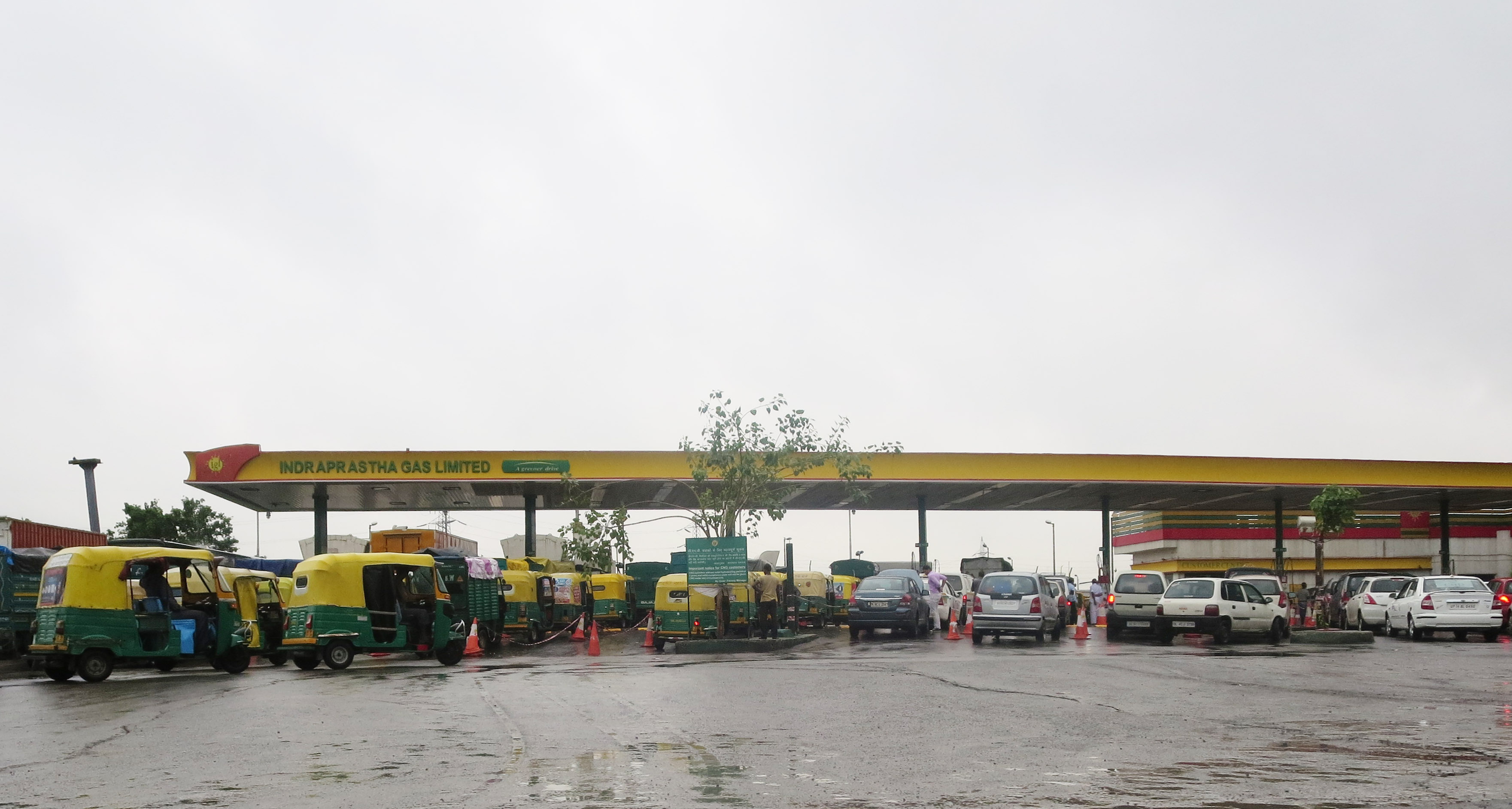
Indraprastha Gas Limited increased compressed natural gas prices by a total of ₹3 per kilogram within 48 hours in the National Capital Region [1].
These rapid price adjustments affect thousands of commercial and private vehicle operators in Delhi and Noida who rely on CNG as a more affordable alternative to petrol and diesel. The sudden spike increases operational costs for public transport and logistics within the region.
The pricing surge occurred in two stages. The first increase of ₹2 per kilogram took place on May 15, 2024 [1]. This was followed by a second increase of ₹1 per kilogram within the next 48 hours [1].
Following these adjustments, the price of CNG in Delhi reached ₹80.09 per kg [2]. In the neighboring city of Noida, the price rose to approximately ₹89 per kg [1].
Industry reports said the hikes were due to rising inflation and a weakening rupee [1]. These economic pressures have placed significant strain on fuel pricing structures, leading to the rapid adjustments seen this week [2].
The volatility in fuel pricing is a direct reflection of the currency's performance against global benchmarks. As the rupee hits historic lows, the cost of importing the raw materials necessary for gas production increases, forcing providers to pass those costs to the consumer [1].
“CNG prices were hiked by a total of ₹3 per kilogram within 48 hours”
The rapid succession of price hikes indicates a high level of sensitivity to currency fluctuations and inflationary pressures in India's energy sector. Because CNG is a primary fuel for public transport and commercial fleets in the National Capital Region, these increases may lead to a ripple effect, potentially raising the cost of goods and services as transport operators adjust their fares to maintain margins.


