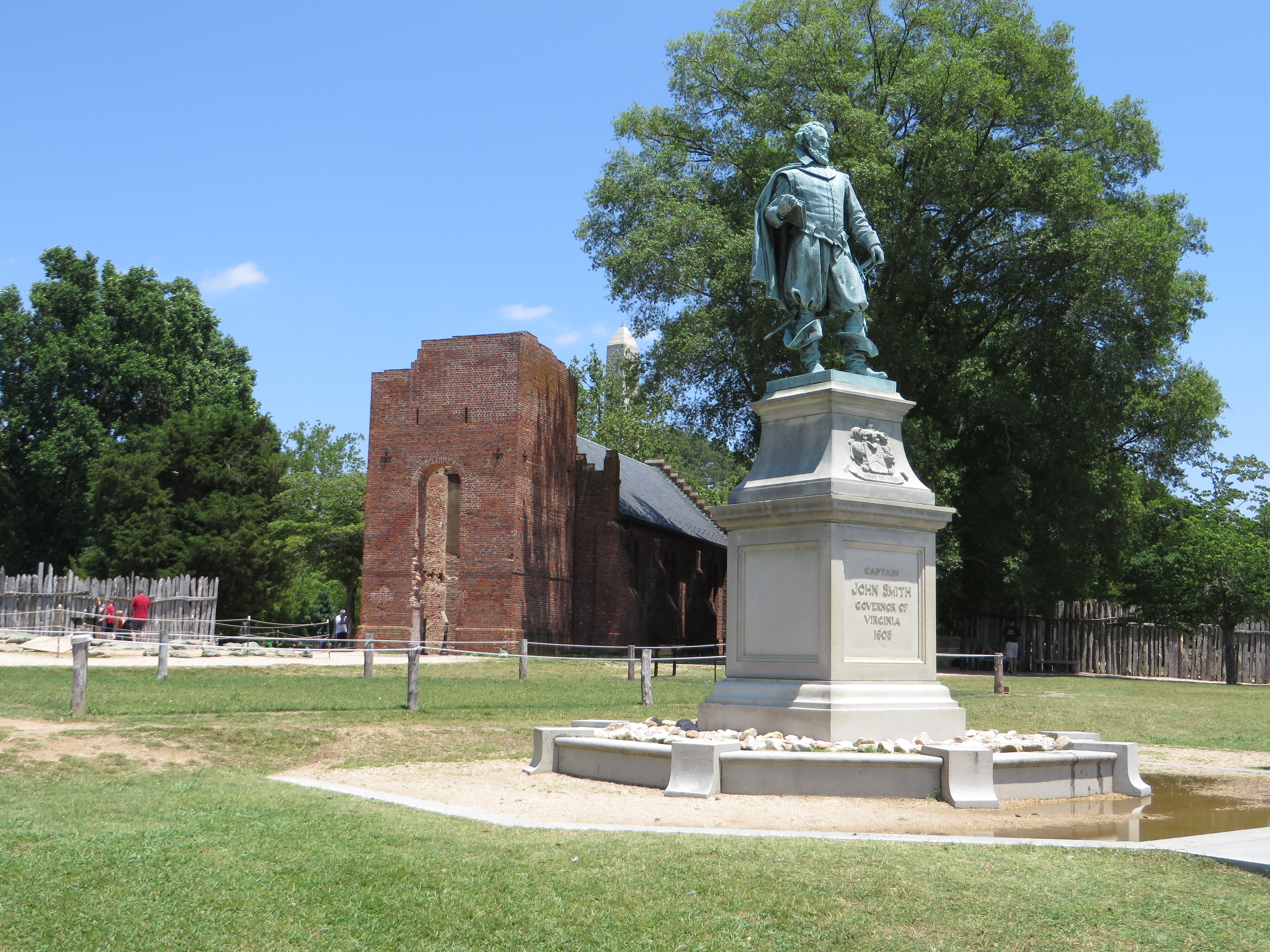
Rising sea levels and coastal erosion are endangering historic locations such as Jamestown, Virginia, prompting urgent archaeological documentation and preservation efforts [1].
This environmental threat risks erasing physical evidence of early colonial history. As the U.S. marks its 250th anniversary [1], the loss of these sites would remove tangible links to the nation's founding era.
Jamestown, founded in 1607 [1], sits on the James River in the Chesapeake Bay region. Climate scientists and archaeologists said that the combination of sea-level rise, increased storm surges, and accelerated shoreline erosion is threatening to submerge or wash away the site [2, 4].
Researchers from Climate Central and other experts are working to map these vulnerable areas. The danger extends beyond the original settlement to other low-lying areas in the region, including Tangier Island in the Chesapeake Bay [4]. These locations face a dual threat from the rising tide, and the increasing intensity of coastal storms [2].
Archaeologists are now prioritizing the recovery of artifacts and the digital mapping of sites before they disappear. This process allows researchers to preserve the data and history even if the land itself is lost to the ocean [1, 3]. Local officials said that the pace of erosion has made these efforts a race against time [1].
The vulnerability of Jamestown highlights a broader pattern affecting coastal heritage sites globally. Because many early settlements were built near waterways for trade and transport, they are now the most susceptible to the effects of climate change [2, 3].
“Rising sea levels and coastal erosion are endangering historic locations such as Jamestown, Virginia.”
The threat to Jamestown represents a critical intersection of climate science and cultural preservation. Because early colonial infrastructure was intentionally placed on waterfronts, the very geography that enabled early trade now ensures these sites are the first to be lost to rising oceans. The shift toward 'rescue archaeology' indicates that preservation of the physical land may no longer be possible, moving the focus toward data salvage and digital archives.


