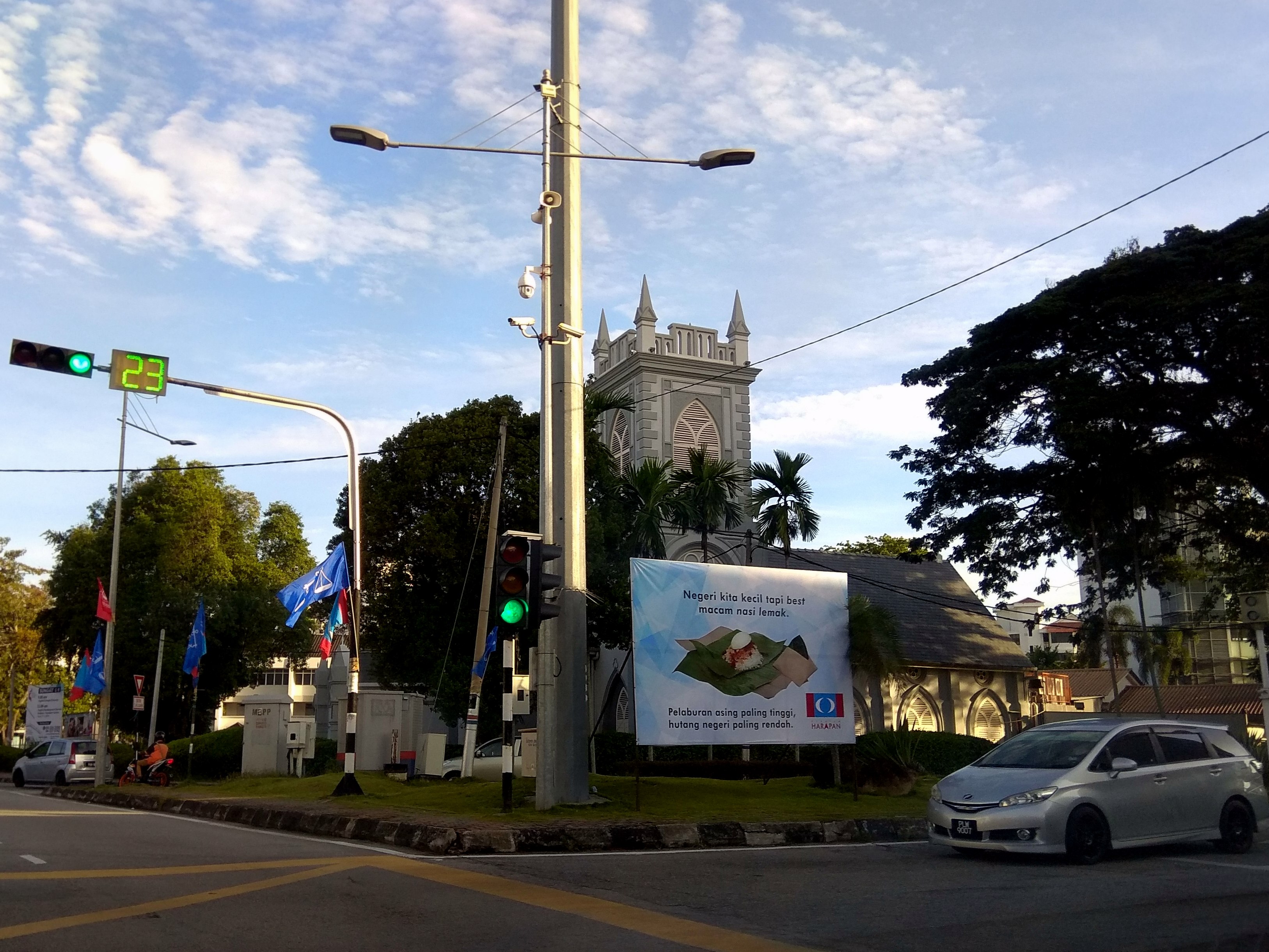
Johor voters will head to the polls on July 11, 2023 [1], to elect the next chief minister of the state.
The outcome of the election will determine whether Barisan Nasional retains power or if opposition coalitions can establish a new governing alternative amid rising ethnic and political tensions.
Incumbent chief minister Onn Hafiz Ghazi (Barisan Nasional) is seeking a second term [2]. He faces significant competition from rivals including Maszlee Malik of Pakatan Harapan, and Sahruddin Jamal of Perikatan Nasional.
Ghazi has sought to distance the local contest from national trends. "I am focused on securing a Barisan Nasional victory in the Jul 11 polls, which should not be viewed as an indicator of the coalition's support nationwide," Ghazi said.
However, the political landscape in Johor remains volatile. Some analysts suggest that Barisan Nasional is taking defensive measures to protect its interests. The refusal to work with the Democratic Action Party (DAP) could be a defensive move to shore up BN's Malay base in Johor ahead of the July 11 polls, analysts said.
While Ghazi maintains the election is a local matter, other observers believe the results could have broader implications. Some reports suggest the Johor polls could threaten the stability of Prime Minister Anwar Ibrahim's unity coalition, a contrast to the incumbent's assertion that the vote is not a national bellwether.
“The outcome of the election will determine whether Barisan Nasional retains power.”
The Johor state election serves as a critical test of Barisan Nasional's ability to maintain its traditional Malay stronghold. Because the state is a key political battleground, a victory or defeat for the incumbent could signal shifts in voter sentiment that may pressure the federal unity government to adjust its coalition dynamics or policy priorities to appease ethnic constituencies.


