
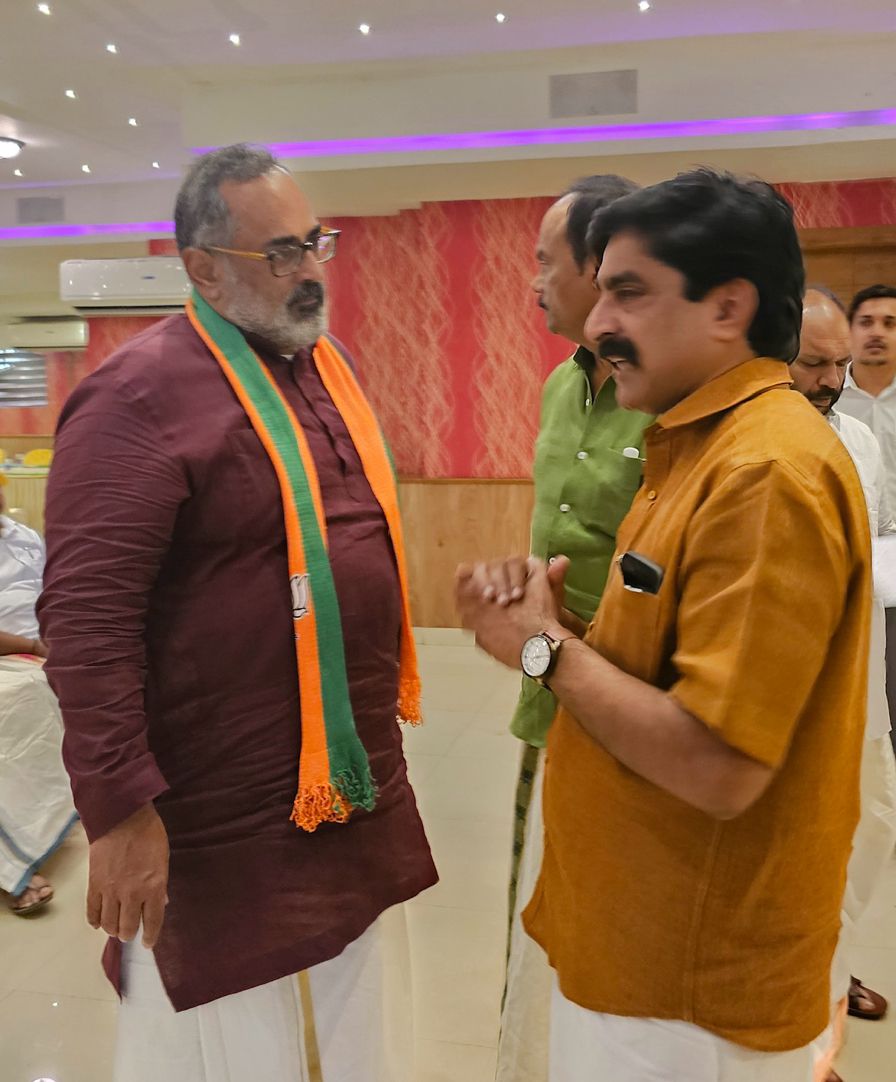
BJP Kerala chief Rajeev Chandrasekhar urged the central government on Tuesday to remove entries for Munambam land from the UMEED portal [4].
The dispute centers on whether the coastal hamlet in the Vypeen assembly constituency is a legitimate waqf property or illegally listed, affecting the land rights of hundreds of local residents.
The Kerala Waqf Board chairman said the Munambam land is a waqf property and is registered in the UMEED portal [1]. This listing has triggered a political standoff between the board and opposition leaders who argue the entries are fraudulent.
Rajeev Chandrasekhar said, "We urge the Centre to remove the illegal entries of Munambam from the UMEED portal" [4]. The BJP leader's request follows ongoing tension regarding the legitimacy of the board's claims over the coastal area.
The conflict is not new, as the land dispute originally began in 1962 [2]. While the issue resurfaced more prominently in 2024 [3], the recent appearance of the land on the UMEED portal in May 2026 has intensified the row.
Local residents have organized a joint agitation involving approximately 610 families [5]. These families contest the ownership claims, and seek relief from the potential displacement or loss of land rights associated with the waqf designation.
Chief Minister V. D. Satheesan and other officials have been drawn into the controversy as the dispute persists. Residents have reported a lack of relief despite previous assurances provided by government officials over the last year [6].
“"Munambam land is a waqf property; it is registered in the UMEED portal."”
This dispute highlights the tension between statutory religious land boards and private ownership claims in India. The use of the UMEED portal to digitize waqf properties creates a legal record that can be used for eviction or ownership claims, turning a decades-old local land dispute into a high-stakes political issue ahead of regional elections.


