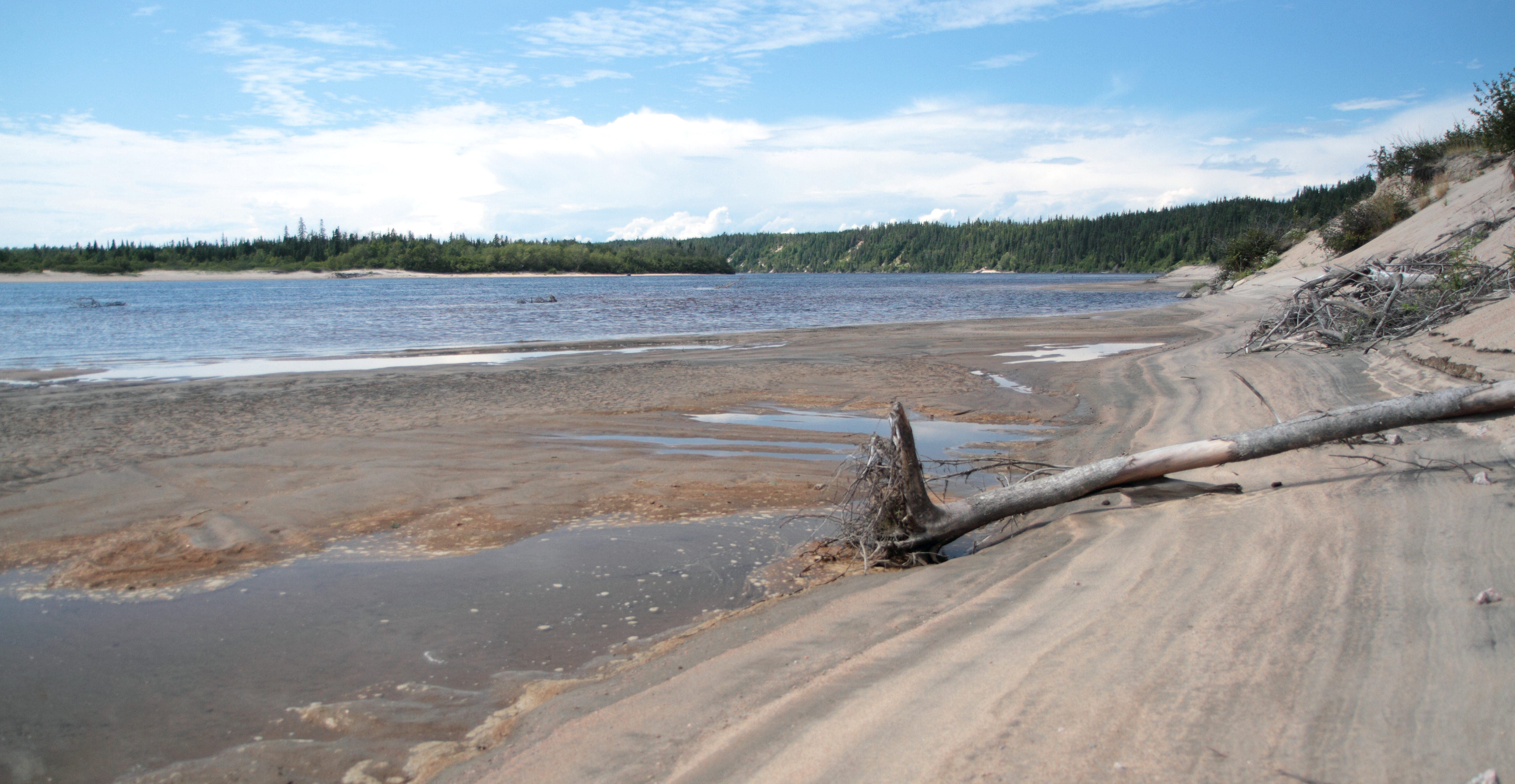
The Mamu Moisie country music festival is taking place in Quebec to raise funds for the protection of salmon in the Moisie River [1, 2].
This initiative combines cultural celebration with environmental conservation to safeguard a critical fish species in one of Canada's most iconic river systems. By leveraging the popularity of country music, organizers aim to secure the financial resources necessary for ongoing habitat protection and restoration projects.
The event features a diverse lineup of performers, including country music artists, local musicians, and Innu artists [1, 2]. This collaboration highlights the intersection of regional heritage and indigenous stewardship of the land. The festival serves as a community gathering point to draw attention to the ecological health of the river.
Organizers said the festivities continue through Sunday [1, 2]. The funds collected during the event are specifically designated for projects that ensure the long-term survival of the salmon population within the Moisie River [1, 2].
The Moisie River is recognized for its significance to both the local economy and the natural ecosystem of the region. The inclusion of Innu artists underscores the traditional relationship between the indigenous people and the river's resources. By integrating these diverse voices, the festival seeks to create a broader coalition of support for environmental preservation.
“The Mamu Moisie country music festival is currently taking place in Quebec to raise funds for the protection of salmon.”
The Mamu Moisie festival represents a strategic blend of cultural tourism and environmental activism. By involving Innu artists alongside local and country musicians, the event emphasizes a collaborative approach to conservation that respects both indigenous knowledge and regional identity. This model suggests that community-driven, arts-based fundraising can be an effective tool for addressing specific ecological threats to local biodiversity.


'%2F%3E%0A%20%20%20%20%3Crect%20width%3D'1600'%20height%3D'900'%20fill%3D'url(%23v)'%2F%3E%0A%20%20%20%20%3Cg%20opacity%3D'0.08'%20fill%3D'%23ffffff'%3E%0A%20%20%20%20%20%20%3Ccircle%20cx%3D'1420'%20cy%3D'180'%20r%3D'220'%2F%3E%0A%20%20%20%20%20%20%3Ccircle%20cx%3D'1500'%20cy%3D'760'%20r%3D'120'%2F%3E%0A%20%20%20%20%3C%2Fg%3E%0A%20%20%20%20%3Cline%20x1%3D'80'%20y1%3D'172'%20x2%3D'220'%20y2%3D'172'%20stroke%3D'%23ffffff'%20stroke-width%3D'3'%20stroke-opacity%3D'0.6'%2F%3E%0A%20%20%20%20%3Ctext%20x%3D'80'%20y%3D'140'%20font-family%3D'Inter%2C%20-apple-system%2C%20Helvetica%2C%20sans-serif'%20font-weight%3D'700'%20font-size%3D'28'%20fill%3D'%23ffffff'%20letter-spacing%3D'6'%3EHANNA%20%C2%B7%20NEWS%3C%2Ftext%3E%0A%20%20%20%20%3Ctext%20x%3D'80'%20y%3D'230'%20font-family%3D'Inter%2C%20-apple-system%2C%20Helvetica%2C%20sans-serif'%20font-weight%3D'600'%20font-size%3D'40'%20fill%3D'%23ffffffb3'%20letter-spacing%3D'4'%3EWORLD%3C%2Ftext%3E%0A%20%20%20%20%3Ctext%20x%3D'80'%20y%3D'622'%20font-family%3D'Playfair%20Display%2C%20Georgia%2C%20serif'%20font-weight%3D'800'%20font-size%3D'86'%20fill%3D'%23ffffff'%20letter-spacing%3D'-1'%3EHaruki%20Murakami%20Releases%20New%3C%2Ftext%3E%3Ctext%20x%3D'80'%20y%3D'721'%20font-family%3D'Playfair%20Display%2C%20Georgia%2C%20serif'%20font-weight%3D'800'%20font-size%3D'86'%20fill%3D'%23ffffff'%20letter-spacing%3D'-1'%3ENovel%20%26apos%3BThe%20Tale%20of%3C%2Ftext%3E%3Ctext%20x%3D'80'%20y%3D'820'%20font-family%3D'Playfair%20Display%2C%20Georgia%2C%20serif'%20font-weight%3D'800'%20font-size%3D'86'%20fill%3D'%23ffffff'%20letter-spacing%3D'-1'%3EKAHO%26apos%3B%3C%2Ftext%3E%0A%20%20%20%20%3Ctext%20x%3D'80'%20y%3D'870'%20font-family%3D'Inter%2C%20-apple-system%2C%20Helvetica%2C%20sans-serif'%20font-weight%3D'500'%20font-size%3D'22'%20fill%3D'%23ffffff66'%20letter-spacing%3D'2'%3Enews.hanna-ai.com%3C%2Ftext%3E%0A%20%20%3C%2Fsvg%3E)