
NASA astronaut Jessica Meir captured a timelapse video of the aurora australis from aboard the SpaceX Dragon spacecraft during the Crew-12 mission.
The footage provides a rare orbital perspective of the Southern Lights, illustrating the interaction between solar activity and Earth's magnetic field. Such imagery helps scientists and the public visualize the scale of geomagnetic storms.
Meir recorded the display on June 5 [1] while orbiting Earth's southern polar region. The vivid lights were triggered by a solar flare and an associated coronal mass ejection, which sent charged particles toward the planet.
"This one danced and snaked its way directly below us, putting on quite a show," Meir said.
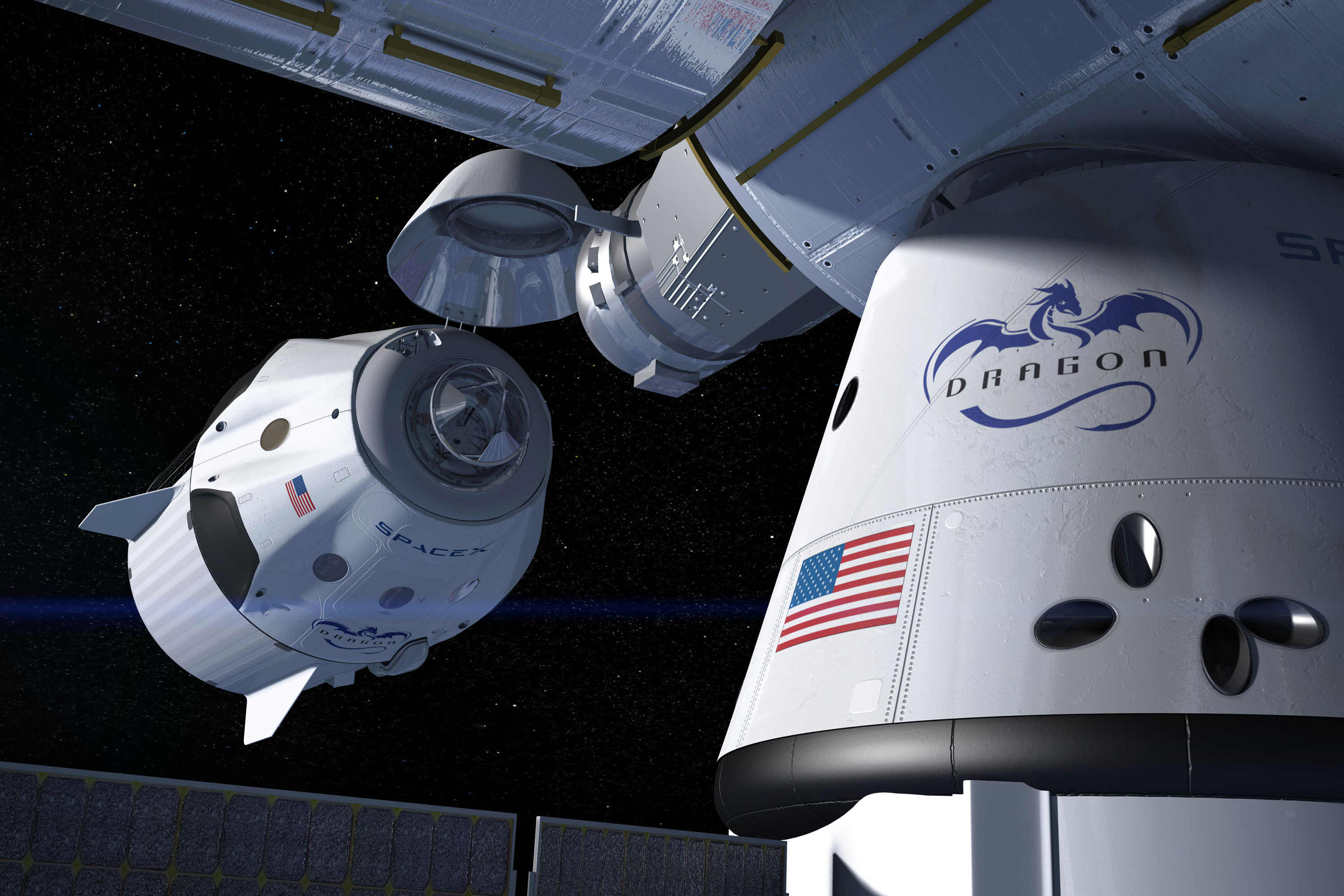
The astronaut observed the phenomenon from the SpaceX Dragon, which serves as the transport and residence for the Crew-12 mission. The timelapse highlights the ethereal movement of the lights as they shifted across the polar atmosphere.
Solar flares are intense bursts of radiation that can cause geomagnetic storms on Earth. When these storms occur, they push the aurora away from the poles and toward the equator, making the lights visible in regions where they are rarely seen. The specific event captured this week resulted in a particularly dynamic display that Meir was able to document from her vantage point in low Earth orbit.
“"This one danced and snaked its way directly below us, putting on quite a show."”
This recording underscores the ongoing activity of the current solar cycle. As solar flares and coronal mass ejections increase in frequency, the resulting auroral displays become more common and intense, providing critical data for researchers studying space weather and its potential impact on satellite communications and power grids.


