
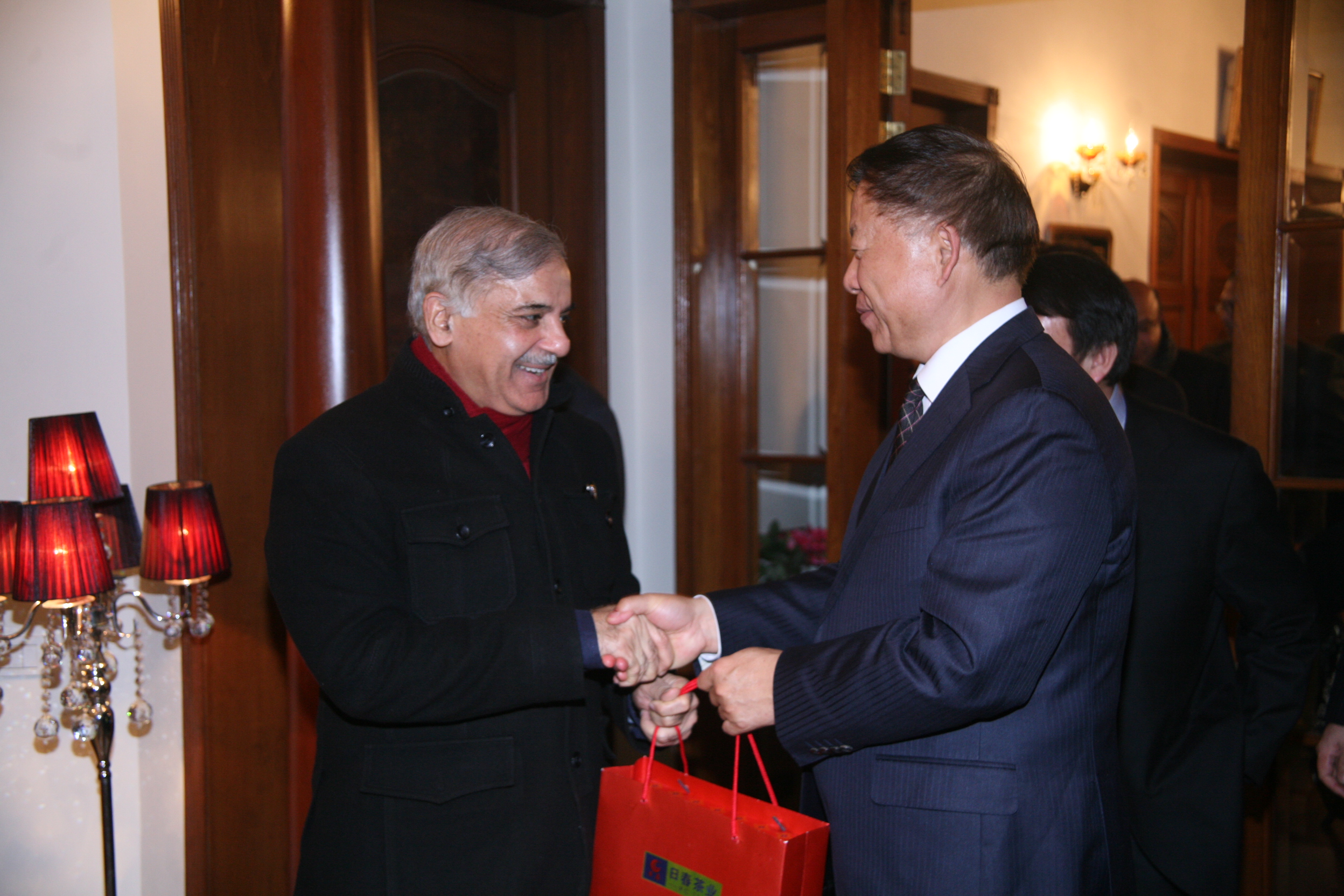
Prime Minister Shehbaz Sharif visited Beijing this month to strengthen the Pakistan-China partnership and announce a new era of economic cooperation [1].
This diplomatic push comes as both nations seek to deepen strategic ties amid shifting global economic landscapes. The visit serves as a pivotal moment to modernize trade agreements and solidify long-term infrastructure investments.
The visit coincides with the 75th anniversary of diplomatic ties between Pakistan and China [1]. Sharif said the occasion emphasized the resilience of the bilateral relationship and the necessity of expanded economic integration [1].
Earlier this month, SAPM Haroon Akhtar Khan said that a new era of economic partnership was beginning [2]. This transition focuses on moving beyond traditional diplomacy toward a more robust framework for trade and industry. The discussions in Beijing centered on how to implement these new economic strategies to ensure mutual growth [2].
Sharif said the partnership is of strategic importance during his time in the Chinese capital [1]. The talks aimed to address existing economic challenges while identifying new sectors for joint venture investments [2].
Officials said that the cooperation would focus on deepening strategic ties to ensure stability and prosperity for both nations [1]. The current diplomatic cycle marks a transition toward a more integrated economic model—one designed to weather regional volatility [2].
“A new era of economic partnership era starts in Pak-China friendship”
The transition toward a 'new era' of economic cooperation suggests a shift from purely infrastructure-led projects toward a broader industrial and trade integration. By anchoring this shift to the 75th anniversary of diplomatic relations, Pakistan is signaling a long-term strategic reliance on China to stabilize its economy and secure foreign investment.


