
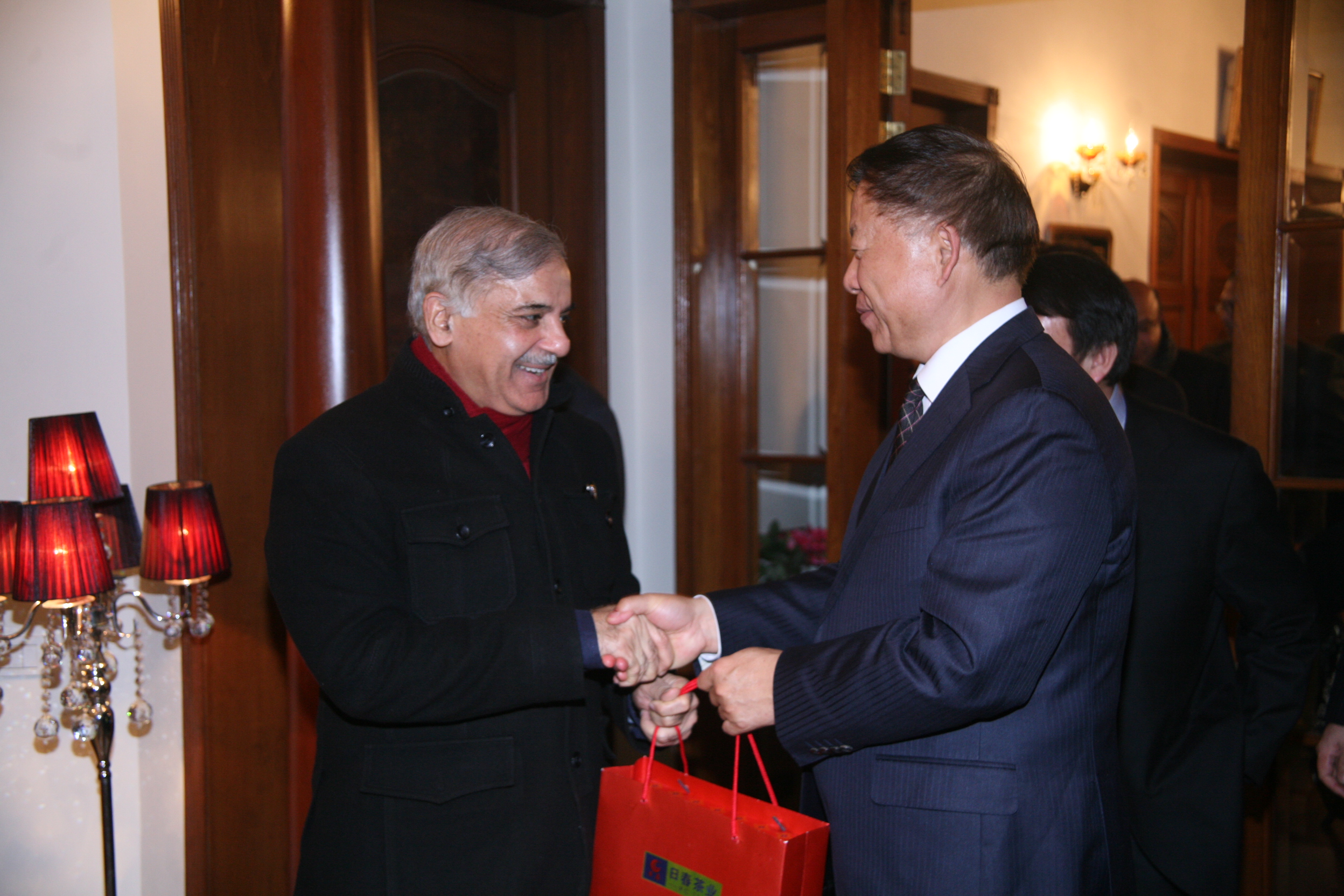
Prime Minister Shehbaz Sharif concluded a four-day visit to China on May 26 [1], signing new cooperation accords under the CPEC Phase II framework.
The visit marks a critical effort to deepen the strategic partnership between Islamabad and Beijing. By focusing on the second phase of the China-Pakistan Economic Corridor, both nations aim to shift from infrastructure projects toward industrialization, and sustainable development.
During the trip, Sharif participated in high-level meetings and diplomatic anniversary events in Beijing and other locations [1]. The prime minister focused on boosting partnerships with top Chinese firms to ensure the successful implementation of CPEC Phase II [1].
Officials said the relationship between the two countries is "two souls, one heart" during the wrap-up of the visit [1]. These diplomatic efforts are intended to strengthen friendship and economic ties as the two nations celebrate a milestone in their diplomatic history.
The timing of the visit coincides with a broader push by Pakistan to stabilize its economy through foreign investment. The new accords are expected to provide a roadmap for future joint ventures in technology, and energy sectors.
While some reports from earlier in the month mentioned different diplomatic visits to China, the prime minister's specific mission concluded this week [1]. The four-day duration of the trip [1] allowed for a series of targeted meetings with Chinese leadership and corporate executives.
“Two souls, one heart”
The transition to CPEC Phase II represents a pivot in the bilateral relationship, moving beyond the construction of roads and power plants toward agricultural and industrial cooperation. This shift is intended to create more direct economic value for Pakistan's domestic market while securing China's long-term strategic interests in the region.


