'%2F%3E%0A%20%20%20%20%3Crect%20width%3D'1600'%20height%3D'900'%20fill%3D'url(%23v)'%2F%3E%0A%20%20%20%20%3Cg%20opacity%3D'0.08'%20fill%3D'%23ffffff'%3E%0A%20%20%20%20%20%20%3Ccircle%20cx%3D'1420'%20cy%3D'180'%20r%3D'220'%2F%3E%0A%20%20%20%20%20%20%3Ccircle%20cx%3D'1500'%20cy%3D'760'%20r%3D'120'%2F%3E%0A%20%20%20%20%3C%2Fg%3E%0A%20%20%20%20%3Cline%20x1%3D'80'%20y1%3D'172'%20x2%3D'220'%20y2%3D'172'%20stroke%3D'%23ffffff'%20stroke-width%3D'3'%20stroke-opacity%3D'0.6'%2F%3E%0A%20%20%20%20%3Ctext%20x%3D'80'%20y%3D'140'%20font-family%3D'Inter%2C%20-apple-system%2C%20Helvetica%2C%20sans-serif'%20font-weight%3D'700'%20font-size%3D'28'%20fill%3D'%23ffffff'%20letter-spacing%3D'6'%3EHANNA%20%C2%B7%20NEWS%3C%2Ftext%3E%0A%20%20%20%20%3Ctext%20x%3D'80'%20y%3D'230'%20font-family%3D'Inter%2C%20-apple-system%2C%20Helvetica%2C%20sans-serif'%20font-weight%3D'600'%20font-size%3D'40'%20fill%3D'%23ffffffb3'%20letter-spacing%3D'4'%3EWORLD%3C%2Ftext%3E%0A%20%20%20%20%3Ctext%20x%3D'80'%20y%3D'694'%20font-family%3D'Playfair%20Display%2C%20Georgia%2C%20serif'%20font-weight%3D'800'%20font-size%3D'110'%20fill%3D'%23ffffff'%20letter-spacing%3D'-1'%3EExplosion%20at%20Qatar%20Plant%3C%2Ftext%3E%3Ctext%20x%3D'80'%20y%3D'820'%20font-family%3D'Playfair%20Display%2C%20Georgia%2C%20serif'%20font-weight%3D'800'%20font-size%3D'110'%20fill%3D'%23ffffff'%20letter-spacing%3D'-1'%3EKills%2013%2C%20Injures%2066%3C%2Ftext%3E%0A%20%20%20%20%3Ctext%20x%3D'80'%20y%3D'870'%20font-family%3D'Inter%2C%20-apple-system%2C%20Helvetica%2C%20sans-serif'%20font-weight%3D'500'%20font-size%3D'22'%20fill%3D'%23ffffff66'%20letter-spacing%3D'2'%3Enews.hanna-ai.com%3C%2Ftext%3E%0A%20%20%3C%2Fsvg%3E)
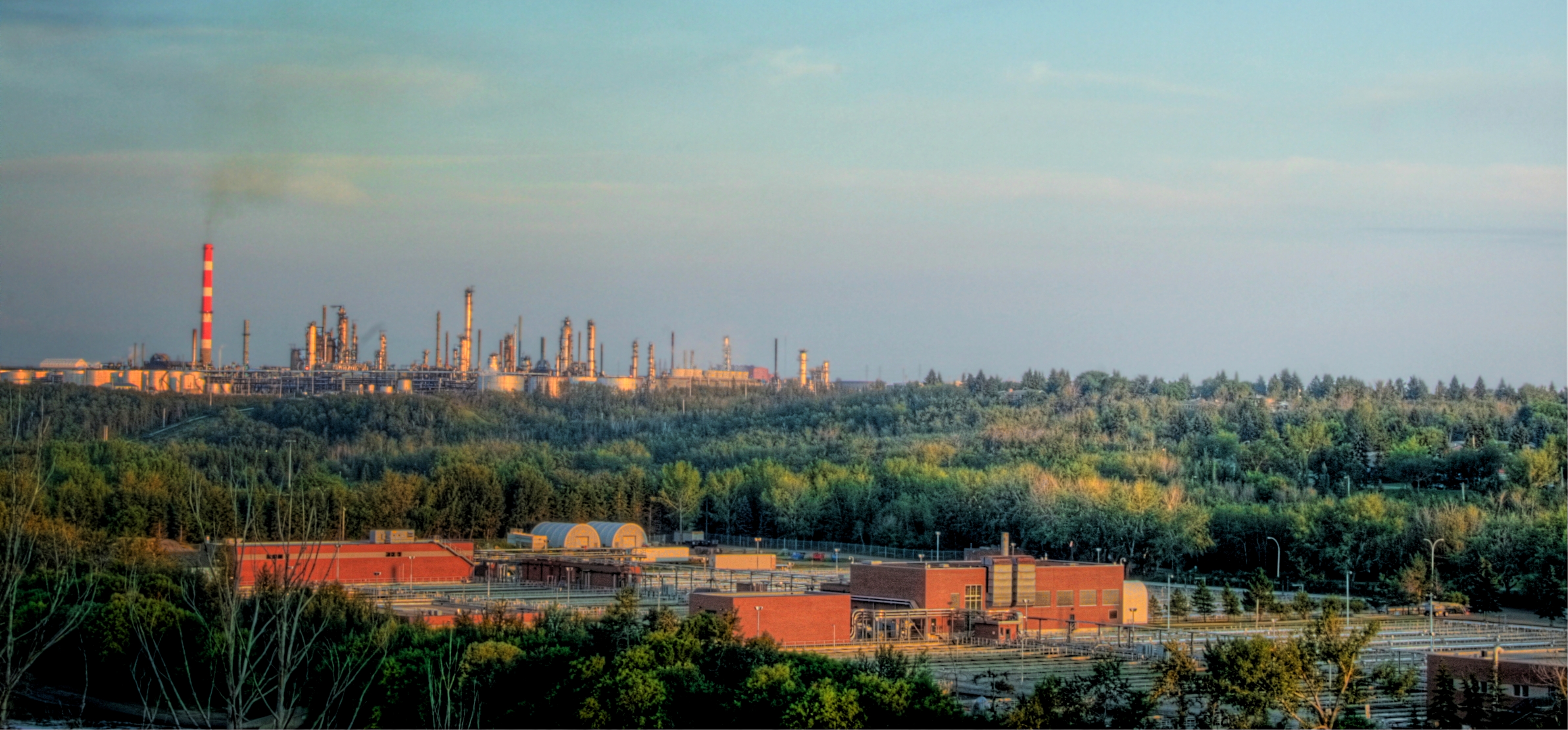
An explosion at a plant in the Ras Laffan industrial area on Monday killed 13 people and injured 66 others [1].
The incident occurred at one of the world's most critical energy hubs, raising immediate concerns about the stability of global liquefied natural gas (LNG) supplies.
Saad bin Sharidah Al Kaabi, Qatar's Minister of State for Energy, confirmed the casualties following the blast. He said the event was an accident and not a result of sabotage or a hostile act [1]. Investigations are ongoing to determine the exact cause of the failure.
Despite the severity of the blast, the government intends to maintain its energy commitments. Al Kaabi said the explosion will not affect the export of liquefied natural gas [1].
Ras Laffan is a primary center for Qatar's energy production and processing. The facility's role in the global market makes any operational disruption a point of interest for international energy regulators and importing nations.
Emergency services responded to the scene on Monday to manage the casualties and secure the perimeter. While the death toll stands at 13 [1], the 66 injured individuals are receiving medical treatment [1].
Al Kaabi said the event was a "حادث وليس عملاً تخريبياً" — an accident and not an act of sabotage [1].
“An explosion at a plant in the Ras Laffan industrial area on Monday killed 13 people and injured 66 others”
The incident highlights the inherent risks associated with high-pressure energy infrastructure. Because Qatar is a leading global provider of LNG, the government's rapid confirmation that exports remain unaffected is intended to prevent market volatility and reassure international trade partners of the region's operational resilience.