
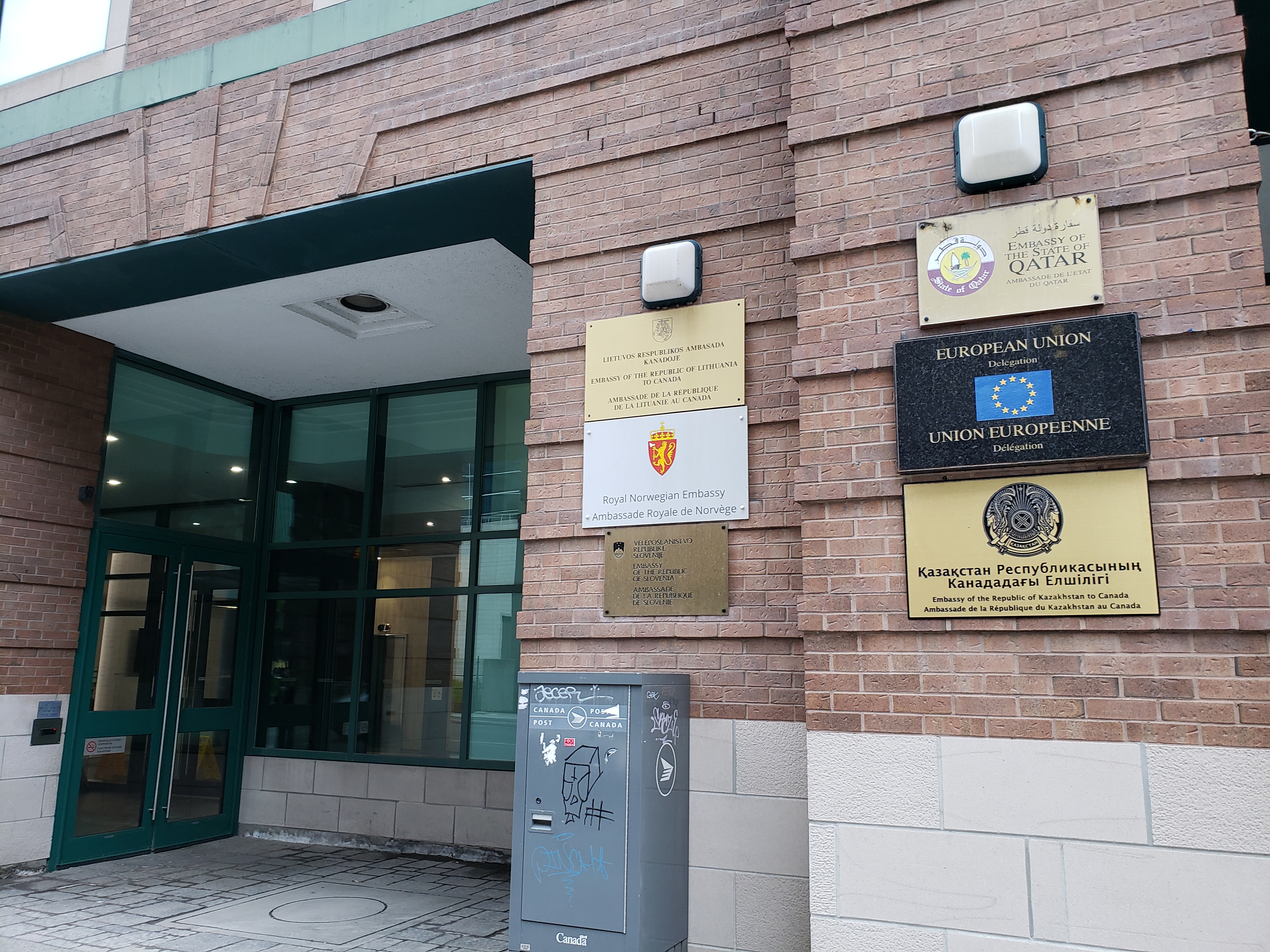
Qatar called for the respect of freedom of navigation in the Strait of Hormuz, saying that any closure would violate international law [1].
Because the Strait of Hormuz is one of the world's most critical chokepoints for oil and gas exports, any disruption to its traffic can trigger immediate spikes in global energy prices and destabilize regional security.
Dr. Majid Al-Ansari, the spokesperson for the Qatari Ministry of Foreign Affairs, issued the statement from Doha [1]. He said that the closure of the waterway is contrary to international legal standards and would jeopardize the stability of the region [1].
Al-Ansari addressed the dangers of using the waterway as a political tool. He said, "Qatar emphasizes the danger of using the Strait of Hormuz as a pressure card and its impact on energy security" [2].
The spokesperson urged all parties to adhere to maritime laws to ensure the uninterrupted flow of trade [1]. He said, "We call for respect for the freedom of navigation in the Strait of Hormuz and its closure violates international law" [1].
Qatar's position reflects a broader concern regarding the vulnerability of energy supply chains in the Persian Gulf. The government said that maintaining open shipping lanes is essential not only for regional players, but for the global economy [1].
“"We call for respect for the freedom of navigation in the Strait of Hormuz and its closure violates international law."”
Qatar's public stance underscores its role as a major LNG exporter that relies heavily on the Strait of Hormuz for its economic viability. By framing the issue around international law and energy security, Doha is attempting to discourage regional powers from using maritime blockades as geopolitical leverage, which could otherwise lead to catastrophic economic disruptions and military escalation in the Gulf.


'%2F%3E%0A%20%20%20%20%3Crect%20width%3D'1600'%20height%3D'900'%20fill%3D'url(%23v)'%2F%3E%0A%20%20%20%20%3Cg%20opacity%3D'0.08'%20fill%3D'%23ffffff'%3E%0A%20%20%20%20%20%20%3Ccircle%20cx%3D'1420'%20cy%3D'180'%20r%3D'220'%2F%3E%0A%20%20%20%20%20%20%3Ccircle%20cx%3D'1500'%20cy%3D'760'%20r%3D'120'%2F%3E%0A%20%20%20%20%3C%2Fg%3E%0A%20%20%20%20%3Cline%20x1%3D'80'%20y1%3D'172'%20x2%3D'220'%20y2%3D'172'%20stroke%3D'%23ffffff'%20stroke-width%3D'3'%20stroke-opacity%3D'0.6'%2F%3E%0A%20%20%20%20%3Ctext%20x%3D'80'%20y%3D'140'%20font-family%3D'Inter%2C%20-apple-system%2C%20Helvetica%2C%20sans-serif'%20font-weight%3D'700'%20font-size%3D'28'%20fill%3D'%23ffffff'%20letter-spacing%3D'6'%3EHANNA%20%C2%B7%20NEWS%3C%2Ftext%3E%0A%20%20%20%20%3Ctext%20x%3D'80'%20y%3D'230'%20font-family%3D'Inter%2C%20-apple-system%2C%20Helvetica%2C%20sans-serif'%20font-weight%3D'600'%20font-size%3D'40'%20fill%3D'%23ffffffb3'%20letter-spacing%3D'4'%3EWORLD%3C%2Ftext%3E%0A%20%20%20%20%3Ctext%20x%3D'80'%20y%3D'694'%20font-family%3D'Playfair%20Display%2C%20Georgia%2C%20serif'%20font-weight%3D'800'%20font-size%3D'110'%20fill%3D'%23ffffff'%20letter-spacing%3D'-1'%3ETMC%20Candidate%20Jahangir%20Khan%3C%2Ftext%3E%3Ctext%20x%3D'80'%20y%3D'820'%20font-family%3D'Playfair%20Display%2C%20Georgia%2C%20serif'%20font-weight%3D'800'%20font-size%3D'110'%20fill%3D'%23ffffff'%20letter-spacing%3D'-1'%3EWithdraws%20From%20Falta%20Repoll%3C%2Ftext%3E%0A%20%20%20%20%3Ctext%20x%3D'80'%20y%3D'870'%20font-family%3D'Inter%2C%20-apple-system%2C%20Helvetica%2C%20sans-serif'%20font-weight%3D'500'%20font-size%3D'22'%20fill%3D'%23ffffff66'%20letter-spacing%3D'2'%3Enews.hanna-ai.com%3C%2Ftext%3E%0A%20%20%3C%2Fsvg%3E)