
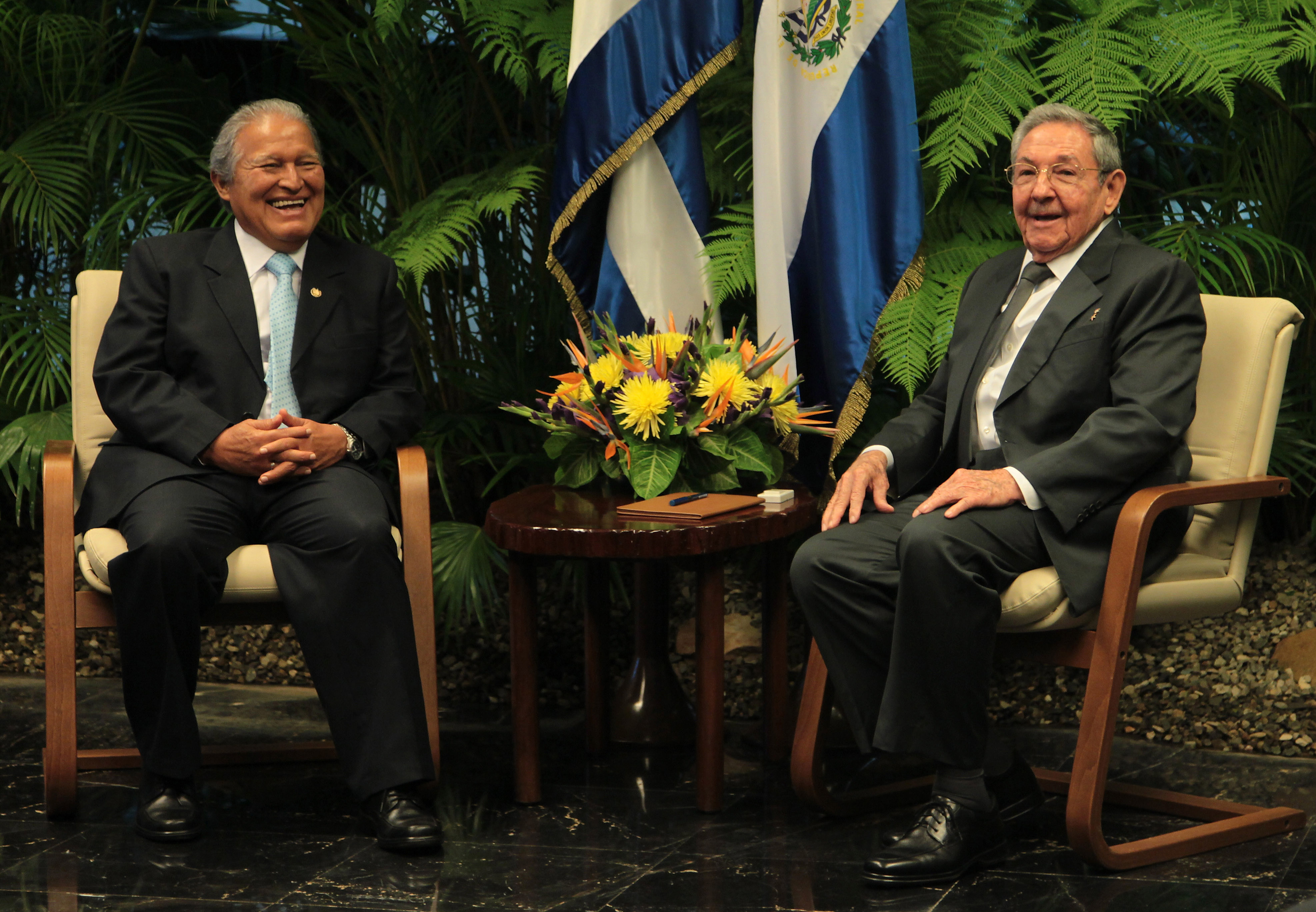
The U.S. Department of Justice indicted former Cuban President Raúl Castro on May 20, 2026 [4], charging him with murder and conspiracy to kill U.S. nationals.
The move marks a significant escalation in legal pressure against the former Cuban leader and signals a hardening of the U.S. stance toward Havana.
The charges stem from the 1996 [2] downing of two [1] civilian aircraft off the coast of Cuba in the Caribbean Sea [1]. The planes were operated by Brothers to the Rescue, a Miami-based exile group. The indictment alleges Castro played a role in the conspiracy that led to the shootdowns [1].
According to the Department of Justice, the charges include murder and conspiracy to kill U.S. nationals. Some reports indicate the maximum possible sentence for these charges is the death penalty or life imprisonment [3], though other reports suggest the charges may remain largely symbolic.
U.S. officials and analysts have characterized the legal action as part of a broader strategy to isolate the Cuban government and increase pressure on the regime. The timing of the indictment has led to varying interpretations of the U.S. government's intent.
Guadalupe Correa‑Cabrera said the indictment is part of a greater strategy to isolate Havana.
“The U.S. Department of Justice indicted former Cuban President Raúl Castro on May 20, 2026”
This indictment serves as a legal instrument of foreign policy rather than a standard criminal prosecution, given the likelihood that Castro will not be extradited. By formally charging a former head of state for a decades-old incident, the U.S. increases the diplomatic and legal isolation of the Cuban government while providing a legal framework for potential future sanctions or geopolitical leverage.


