
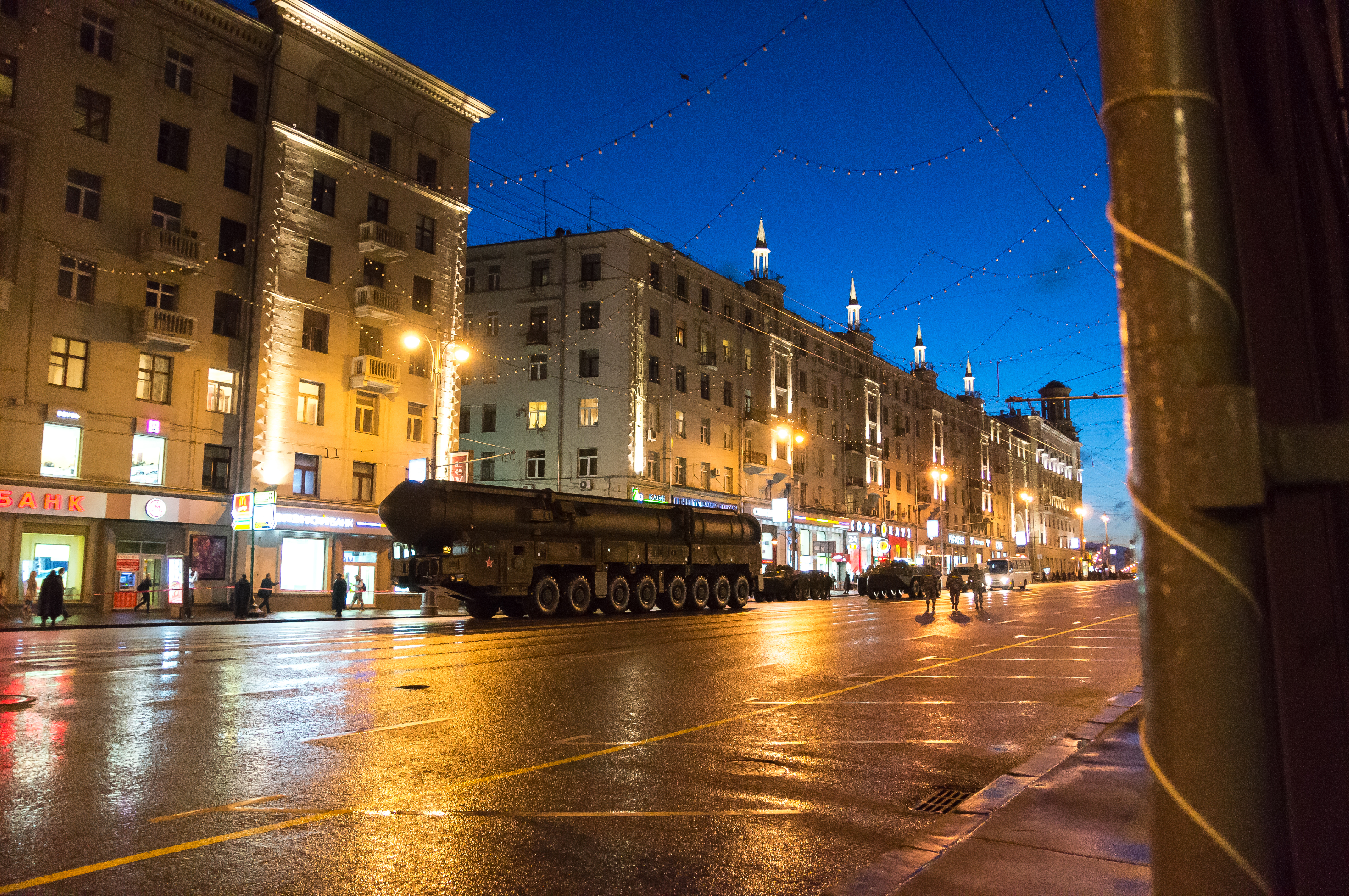
Russia began three-day nuclear weapons drills on Tuesday to test the preparation and use of nuclear forces under threat of aggression [1], [2].
The exercises signal a heightened state of alert as Moscow coordinates its strategic forces amid increased Ukrainian drone activity and deteriorating relations with Western powers [2], [1].
Russian military operations are taking place across the country, with a specific focus on areas located near NATO borders [1], [2]. The scale of the mobilization is significant, involving 64,000 troops [2] and approximately 200 missile launchers [3].
These drills are designed to evaluate the readiness and coordination of the Russian army's strategic assets. The maneuvers come as the Kremlin seeks to demonstrate its capabilities in response to what it describes as emerging risks from the West.
Vladimir Putin said, "Taking into account growing geopolitical tensions and emerging new threats and risks, it's important for us to have modern strategic forces that are always ready."
The duration of the operation is set for three days [1]. While some reports describe the deployment as thousands of troops across the nation, other data specifies the force at 64,000 personnel [1], [2].
Russian officials have framed the exercises as a necessary measure to ensure the security of the state. The focus on NATO borders underscores the friction between Moscow and the transatlantic alliance over security guarantees, and military positioning.
“Russia began three-day nuclear weapons drills on Tuesday to test the preparation and use of nuclear forces.”
These drills serve as a dual-purpose tool for the Kremlin: they provide a practical test of nuclear command-and-control systems while acting as a strategic signal of deterrence to NATO. By concentrating forces near alliance borders during a period of high geopolitical friction, Russia is leveraging its nuclear posture to create leverage in its ongoing confrontations with the West.


