Spain's Supreme Court sentenced businessman Víctor de Aldama to four and a half years in prison on Monday for his role in the "Caso Mascarillas" [1].
The ruling is significant because the court exempted Aldama from serving his prison term and waived a €3.7 million fine [1]. This leniency was granted because the court cited his cooperation in uncovering the crimes associated with the mask-scandal case [2].
Aldama said, "La colaboración en este país" [2].
The sentencing of Aldama comes as part of a broader crackdown on corruption involving public health contracts. Other defendants in the case received significantly harsher penalties. Former minister Ábalos was sentenced to 24 years and three months [1]. Additionally, Koldo García received a sentence of 19 years and eight months [1].
The court's decision to suspend Aldama's sentence reflects the legal value placed on his "aportación," or contribution, to the investigation [3]. By providing evidence that helped the judiciary map the criminal network, Aldama avoided the immediate incarceration facing his co-defendants.
Political reactions to the ruling have been swift. Cuca Gamarra, the vice-secretary of Institutional Regeneration for the PP party, expressed her support for the legal process. "Absoluto respeto y respaldo a nuestros jueces y al Poder Judicial," Gamarra said [2].
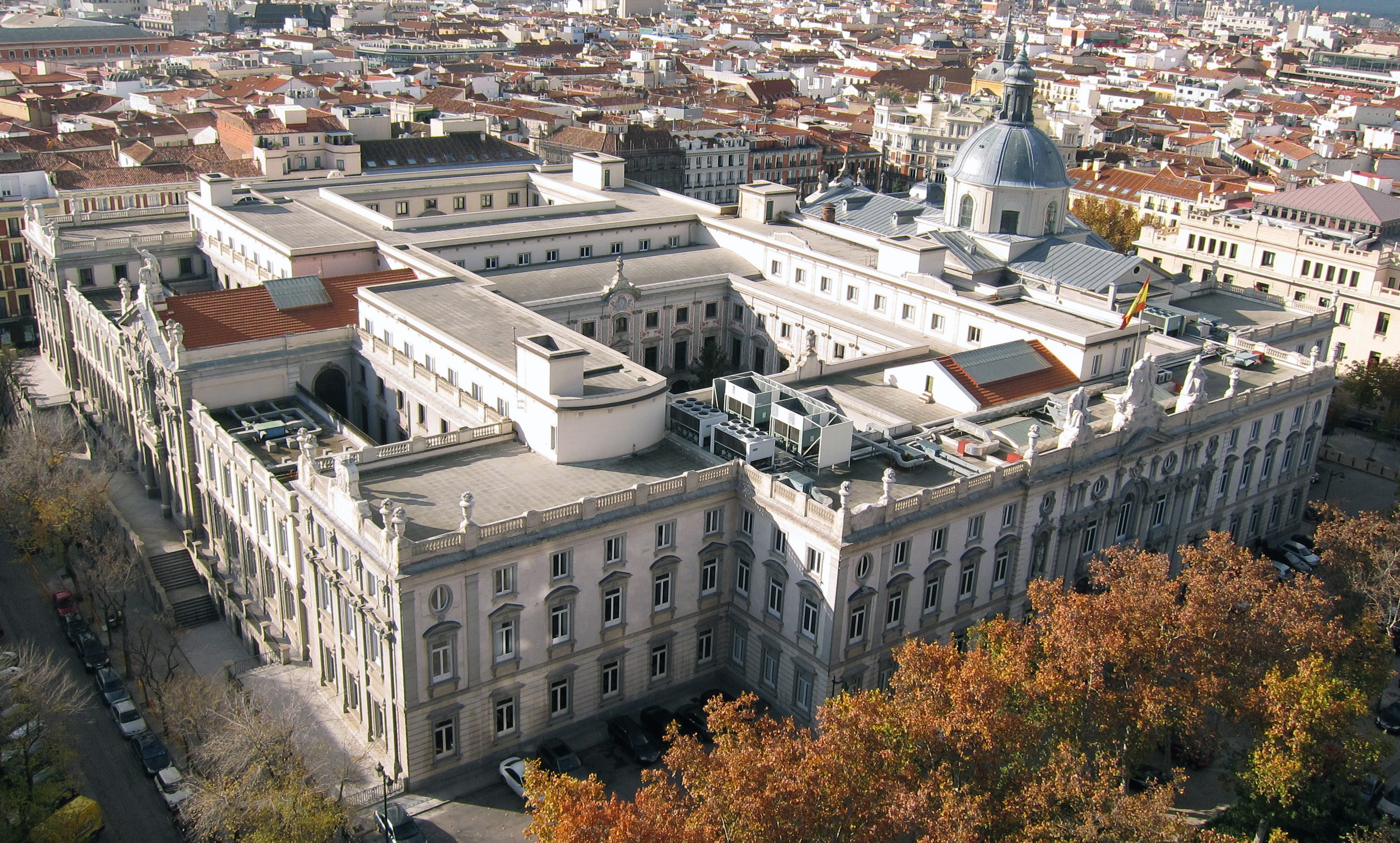
The proceedings took place at the Tribunal Supremo in Madrid, marking a definitive legal step in the resolution of the first trial related to the mask scandal [3].
“"La colaboración en este país"”
The disparity between Aldama's suspended sentence and the decades-long terms given to Ábalos and García underscores the strategic value of witness cooperation in Spanish anti-corruption efforts. By granting immunity from prison and fines to a key businessman, the judiciary prioritizes the dismantling of systemic corruption over the punishment of individual facilitators.


