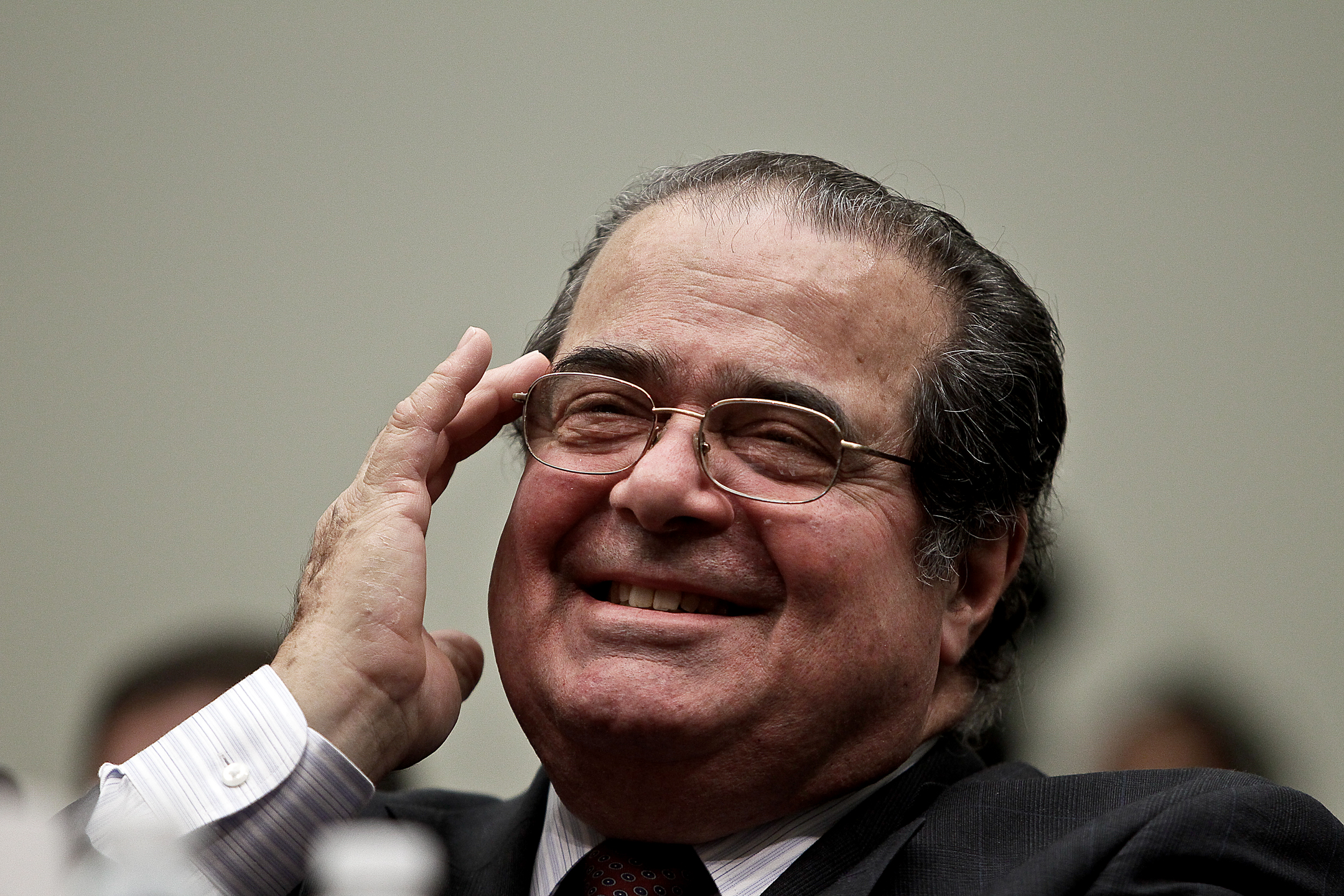
The U.S. Supreme Court struck down an executive order by President Donald Trump that attempted to end birthright citizenship on June 30, 2026 [1].
The ruling preserves a fundamental pillar of American immigration law by affirming that the 14th Amendment guarantees citizenship to anyone born within the country. This decision prevents the executive branch from unilaterally redefining citizenship through administrative orders.
In its decision, the Court held that the executive order exceeded the constitutional authority of the president. The justices determined that the order conflicted directly with the Citizenship Clause of the 14th Amendment [1], [3].
"The Constitution does not give the President the power to strip citizenship from children born on American soil," Justice Ketanji Brown Jackson said [2].
Legal analysts suggest the ruling serves as a significant check on executive power regarding immigration. Adam Liptak, a legal analyst, said the decision is a clear rebuke of the Trump administration's attempts to rewrite the definition of citizenship [3].
The decision comes amid a broader effort by the administration to tighten immigration enforcement. Michael D. Shear, editor-in-chief at Daily Signal, said the ruling is a major setback for Trump's immigration enforcement agenda [1].
The Court's decision ensures that the legal status of children born in the U.S. remains unchanged, regardless of the immigration status of their parents. This maintains the long-standing judicial interpretation of the 14th Amendment, a cornerstone of U.S. law since the 19th century.
“"The Constitution does not give the President the power to strip citizenship from children born on American soil."”
This ruling reinforces the judiciary's role in limiting executive overreach by asserting that constitutional amendments cannot be bypassed via executive order. By upholding birthright citizenship, the Court prevents a systemic shift in how citizenship is granted, ensuring that the 14th Amendment remains the primary authority on the matter rather than presidential policy.