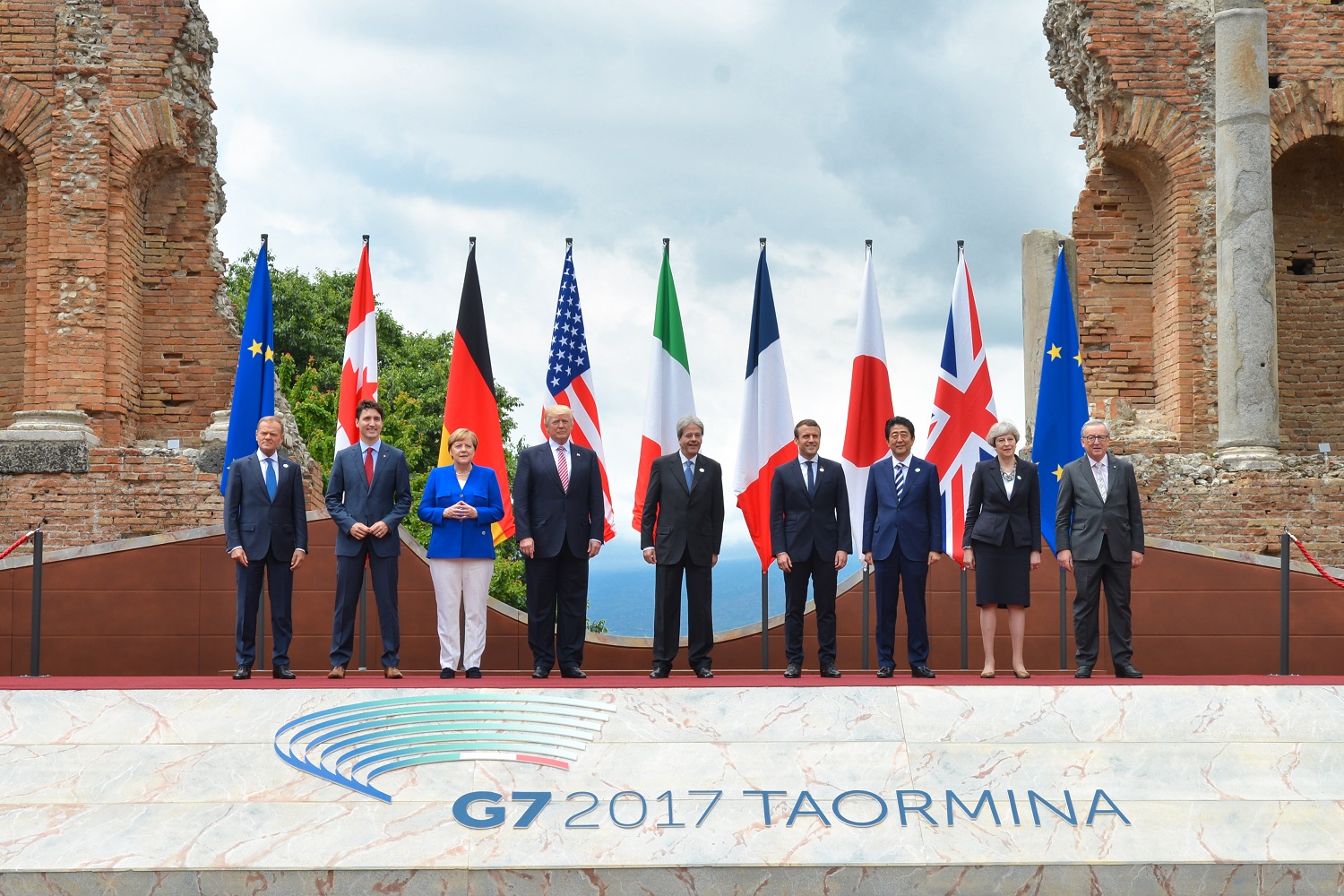
President Donald Trump promoted a new Iran nuclear and peace deal to European allies during the G7 summit on June 15, 2026 [1].
The proposal represents a strategic attempt to stabilize the Middle East and create a diplomatic pathway toward ending the war in Ukraine. By securing G7 alignment, the U.S. aims to ensure the deal's long-term viability and international legitimacy.
The summit took place in Evian‑les‑Bains, France [2]. Trump used the gathering to frame the agreement as a cornerstone for reducing regional volatility and advancing the next stage of diplomatic talks with Tehran [1, 2].
"We have our deal done with Iran and it should be successful," Trump said [3].
While the U.S. president expressed confidence in the agreement, reports indicate that European leaders remain cautious. Some allies are expected to test the risks associated with the Iran deal and may urge the U.S. to rethink its approach regarding the conflict in Ukraine [4].
Trump said that the momentum from the Iran agreement could be leveraged to help bring an end to the war in Ukraine [2]. The U.S. administration is positioning these diplomatic efforts as interconnected goals for global security.
Despite the differing perspectives among G7 members, the U.S. continues to push the deal as a primary mechanism for peace. The discussions in France focused on whether the agreement provides sufficient safeguards to prevent nuclear proliferation, and easing economic sanctions [1, 4].
“"We have our deal done with Iran and it should be successful."”
This diplomatic push signals a shift toward a multi-theater peace strategy, where the U.S. attempts to link stability in the Middle East with a resolution in Eastern Europe. However, the tension between Trump's confidence and European skepticism suggests that the G7 may not be fully unified on the risks of the new Iran framework, potentially complicating the implementation of the deal.

