President Donald Trump warned that a pending nuclear deal with Iran is not final and threatened military action if the terms are unsatisfactory [1].
The statement introduces significant uncertainty regarding the stability of international diplomatic efforts to curb Iran's nuclear capabilities. By suggesting that a signed agreement could be discarded, Trump signals a willingness to return to a policy of maximum pressure and military escalation.
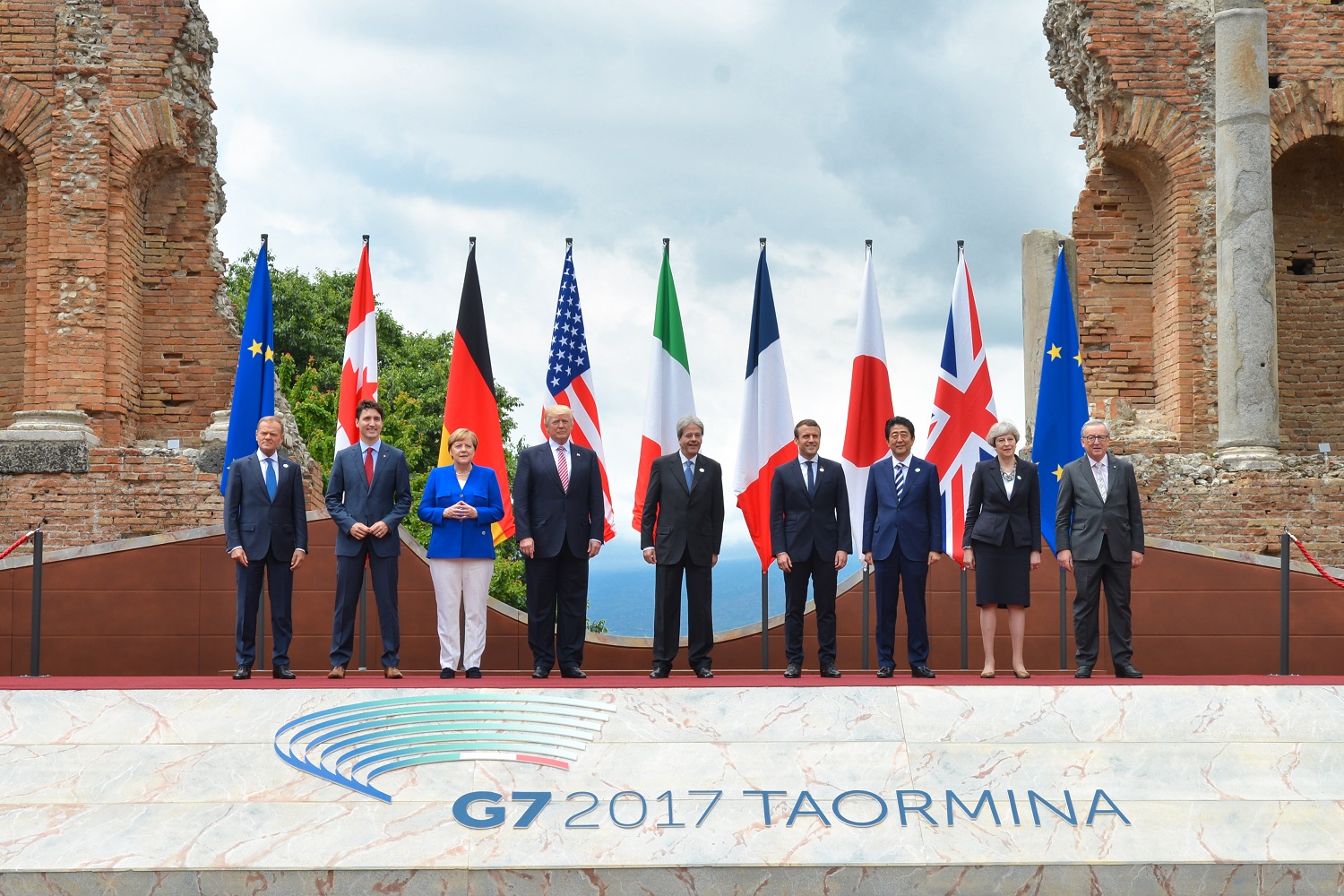
Speaking June 9, 2024, during the final day of the G7 summit in Borgo Egnazia, Puglia, Italy, Trump said, "The deal is not final" [1]. He said to reporters that the United States would not be bound by an agreement he considers incomplete or unfavorable [1].
Trump linked the outcome of the negotiations to the potential for renewed conflict. "If I don’t like the final agreement, we’ll go back to dropping bombs," Trump said [1].
The president also addressed the economic relationship between the two nations. He said that the United States is not investing in Iran [1].
According to reports, a formal signing ceremony for the agreement was scheduled for Friday, June 14, 2024, in Switzerland [2]. However, contradictions exist regarding the status of the document, with some reports on June 8 indicating it was awaiting signature, while other reports on June 9 suggested it had already been signed [1, 2].
Trump said the warnings were intended to pressure Iran to ensure the final terms meet U.S. requirements [1]. The G7 summit concluded with these remarks casting a shadow over the anticipated diplomatic breakthrough in Switzerland.
“"If I don’t like the final agreement, we’ll go back to dropping bombs."”
This rhetoric underscores a volatile approach to diplomacy where the threat of military force is used as a primary negotiating lever. By publicly questioning the finality of the deal before the scheduled signing in Switzerland, the U.S. administration is attempting to maintain leverage over Tehran, though it risks undermining the credibility of the agreement among other G7 partners.

'%2F%3E%0A%20%20%20%20%3Crect%20width%3D'1600'%20height%3D'900'%20fill%3D'url(%23v)'%2F%3E%0A%20%20%20%20%3Cg%20opacity%3D'0.08'%20fill%3D'%23ffffff'%3E%0A%20%20%20%20%20%20%3Ccircle%20cx%3D'1420'%20cy%3D'180'%20r%3D'220'%2F%3E%0A%20%20%20%20%20%20%3Ccircle%20cx%3D'1500'%20cy%3D'760'%20r%3D'120'%2F%3E%0A%20%20%20%20%3C%2Fg%3E%0A%20%20%20%20%3Cline%20x1%3D'80'%20y1%3D'172'%20x2%3D'220'%20y2%3D'172'%20stroke%3D'%23ffffff'%20stroke-width%3D'3'%20stroke-opacity%3D'0.6'%2F%3E%0A%20%20%20%20%3Ctext%20x%3D'80'%20y%3D'140'%20font-family%3D'Inter%2C%20-apple-system%2C%20Helvetica%2C%20sans-serif'%20font-weight%3D'700'%20font-size%3D'28'%20fill%3D'%23ffffff'%20letter-spacing%3D'6'%3EHANNA%20%C2%B7%20NEWS%3C%2Ftext%3E%0A%20%20%20%20%3Ctext%20x%3D'80'%20y%3D'230'%20font-family%3D'Inter%2C%20-apple-system%2C%20Helvetica%2C%20sans-serif'%20font-weight%3D'600'%20font-size%3D'40'%20fill%3D'%23ffffffb3'%20letter-spacing%3D'4'%3EWORLD%3C%2Ftext%3E%0A%20%20%20%20%3Ctext%20x%3D'80'%20y%3D'622'%20font-family%3D'Playfair%20Display%2C%20Georgia%2C%20serif'%20font-weight%3D'800'%20font-size%3D'86'%20fill%3D'%23ffffff'%20letter-spacing%3D'-1'%3ESouth%20Korean%20Official%3C%2Ftext%3E%3Ctext%20x%3D'80'%20y%3D'721'%20font-family%3D'Playfair%20Display%2C%20Georgia%2C%20serif'%20font-weight%3D'800'%20font-size%3D'86'%20fill%3D'%23ffffff'%20letter-spacing%3D'-1'%3EProposes%20Tiered%20Tax%20Cuts%20for%3C%2Ftext%3E%3Ctext%20x%3D'80'%20y%3D'820'%20font-family%3D'Playfair%20Display%2C%20Georgia%2C%20serif'%20font-weight%3D'800'%20font-size%3D'86'%20fill%3D'%23ffffff'%20letter-spacing%3D'-1'%3ERural%20Workers%3C%2Ftext%3E%0A%20%20%20%20%3Ctext%20x%3D'80'%20y%3D'870'%20font-family%3D'Inter%2C%20-apple-system%2C%20Helvetica%2C%20sans-serif'%20font-weight%3D'500'%20font-size%3D'22'%20fill%3D'%23ffffff66'%20letter-spacing%3D'2'%3Enews.hanna-ai.com%3C%2Ftext%3E%0A%20%20%3C%2Fsvg%3E)
