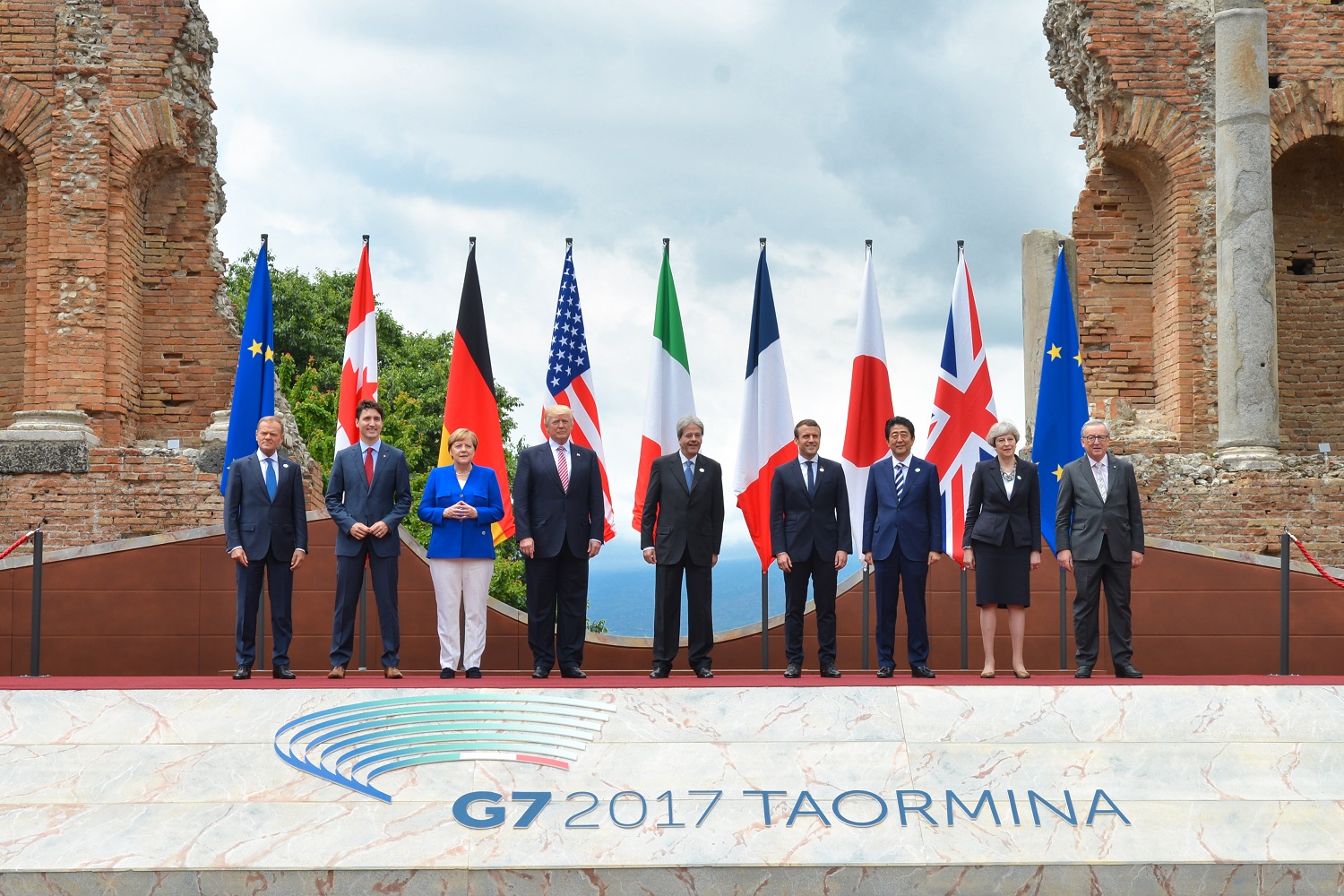
U.S. President Donald Trump met Indian Prime Minister Narendra Modi on Wednesday in Evian-les-Bains, France, during the G7 summit [1].
The meeting signals a potential shift in diplomatic relations between the two nations following a period of reported strain. Trump's public endorsement and security pledges may alter the strategic calculus of Indo-Pacific security.
The encounter marked the first one-on-one meeting between the two leaders in 16 months [2]. It is also the first time they have met since Operation Sindoor in May 2025 [1].
During the discussions on the sidelines of the summit, Trump provided a strong public endorsement of India [1]. He said the United States would come to the aid of India if the country were attacked, provided that Modi remains in office [1].
The meeting took place amid existing tensions in India-U.S. ties [3]. By offering a direct security guarantee, Trump linked the strategic partnership between the two countries to the continued leadership of Prime Minister Modi [1].
Both leaders utilized the G7 framework in France to address bilateral concerns, and regional stability. The pledge of assistance serves as a high-profile gesture of support for the Indian administration on the global stage [1].
“The United States would come to its aid if attacked while Modi remained in office.”
The conditional nature of President Trump's security pledge—specifically tying U.S. support to Prime Minister Modi's tenure—suggests a personalized approach to diplomacy rather than a traditional institutional alliance. This move underscores a strategy of aligning U.S. foreign policy with specific individual leaders to ensure stability and cooperation in the region.