U.S. President Donald Trump said he proposed that Syrian President Ahmad al-Shara take over the fight against Iran-backed Lebanese Hezbollah [1].
The proposal suggests a significant shift in regional security dynamics by positioning Syria as a primary actor in neutralizing Hezbollah's influence. This approach comes as Trump argues that Israel's current campaign against the group has caused too many casualties [2].
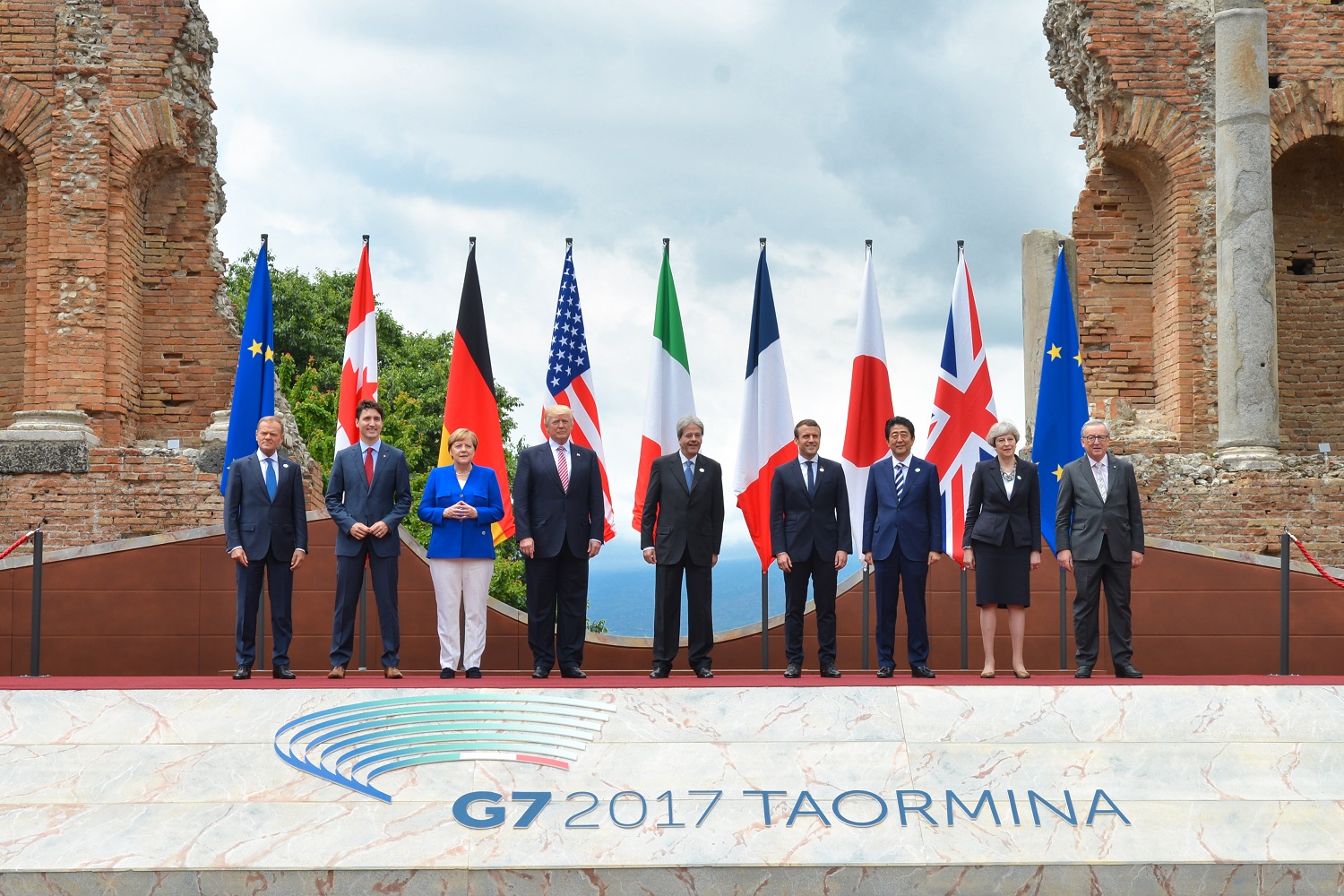
Speaking Tuesday during the G7 summit in Italy, Trump directed his remarks toward Israel [2]. He suggested that if Israel cannot complete the mission without causing widespread death, al-Shara is prepared to step in [3]. "Syria will do the mission," Trump said [3].
Trump praised the performance of the Syrian leader, describing his work as "amazing" [1]. He said that al-Shara is not perfect but has done a great job of unifying things [4].
The U.S. President also revealed his role in the current Syrian leadership structure. Trump said the man running Syria now is someone he placed in the position along with President Erdogan and others [4]. He said he has confidence that al-Shara would manage the situation well [4].
Trump's comments highlight a preference for a Syrian-led operation to dismantle the Tehran-backed network in Lebanon [4]. This strategy aims to reduce the casualty rates associated with Israeli military actions while leveraging the current Syrian administration's stability [2].
“"Syria will do the mission"”
This proposal signals a potential pivot in U.S. Middle East strategy, moving away from total reliance on Israeli military intervention and toward a proxy-led stability model. By endorsing Ahmad al-Shara's authority and capabilities, Trump is attempting to formalize a security arrangement where a reorganized Syrian state acts as a buffer and enforcer against Iranian influence, potentially altering the geopolitical balance between Damascus, Beirut, and Jerusalem.