President Donald Trump thanked Chinese President Xi Jinping and Russian President Vladimir Putin for remaining neutral during the war with Iran.
The comments signal a rare moment of public appreciation for the roles of Beijing and Moscow in a major U.S. military conflict. By acknowledging that these global powers avoided escalating the situation, the administration suggests that their restraint was critical to the stability of the region.
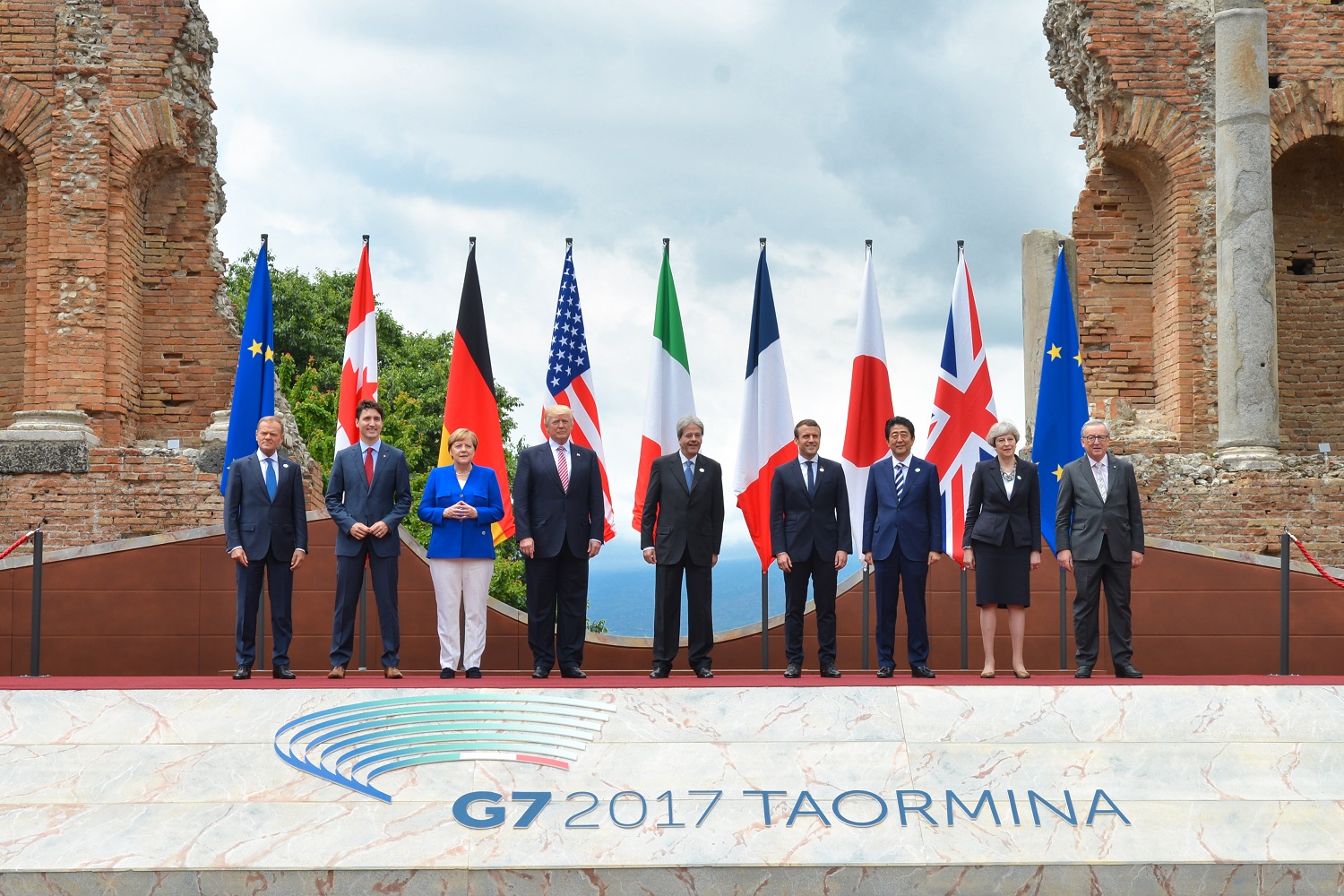
Trump spoke June 17 during a press conference at the conclusion of the G7 summit. He praised both leaders for their lack of interference, saying that their neutrality prevented further complications in the conflict.
"They could've made it difficult," Trump said.
Reports on the current status of the conflict remain mixed. Some accounts suggest the war is ongoing, while others indicate that a peace deal has been struck with Tehran. Trump previously said that ending the war helped prevent the economy from tanking.
Despite the praise for neutrality, tensions regarding regional weaponry persist. Trump said it was unfair for Iran not to possess ballistic missiles after the conclusion of a peace deal with Tehran.
The president's remarks at the G7 summit highlight a strategic calculation regarding the influence of non-Western powers on U.S. foreign policy outcomes. By thanking Xi and Putin, Trump underscored the potential for these leaders to either facilitate or hinder American military objectives.
“"They could've made it difficult,"”
This acknowledgement reflects the complex geopolitical balancing act of the U.S. administration. By publicly thanking Russia and China for their neutrality, the U.S. recognizes that the success of its operations in Iran depended not only on its own military strength but also on the decision of other superpowers to remain on the sidelines.


