Global crude oil prices rose on May 7, 2026, following a U.S.-enforced blockade in the Strait of Hormuz that disrupted key supply routes [1, 2].
This escalation threatens the stability of international energy markets because the Strait of Hormuz is a critical chokepoint for global oil transit. Any prolonged disruption in this region typically leads to volatility in retail fuel costs and increased inflationary pressure on importing nations [3].
Brent crude oil prices edged up to approximately $84 per barrel as traders reacted to the situation [1]. A spokesperson for U.S. Central Command said the blockade is intended to pressure Iran and will inevitably tighten global oil markets [3].
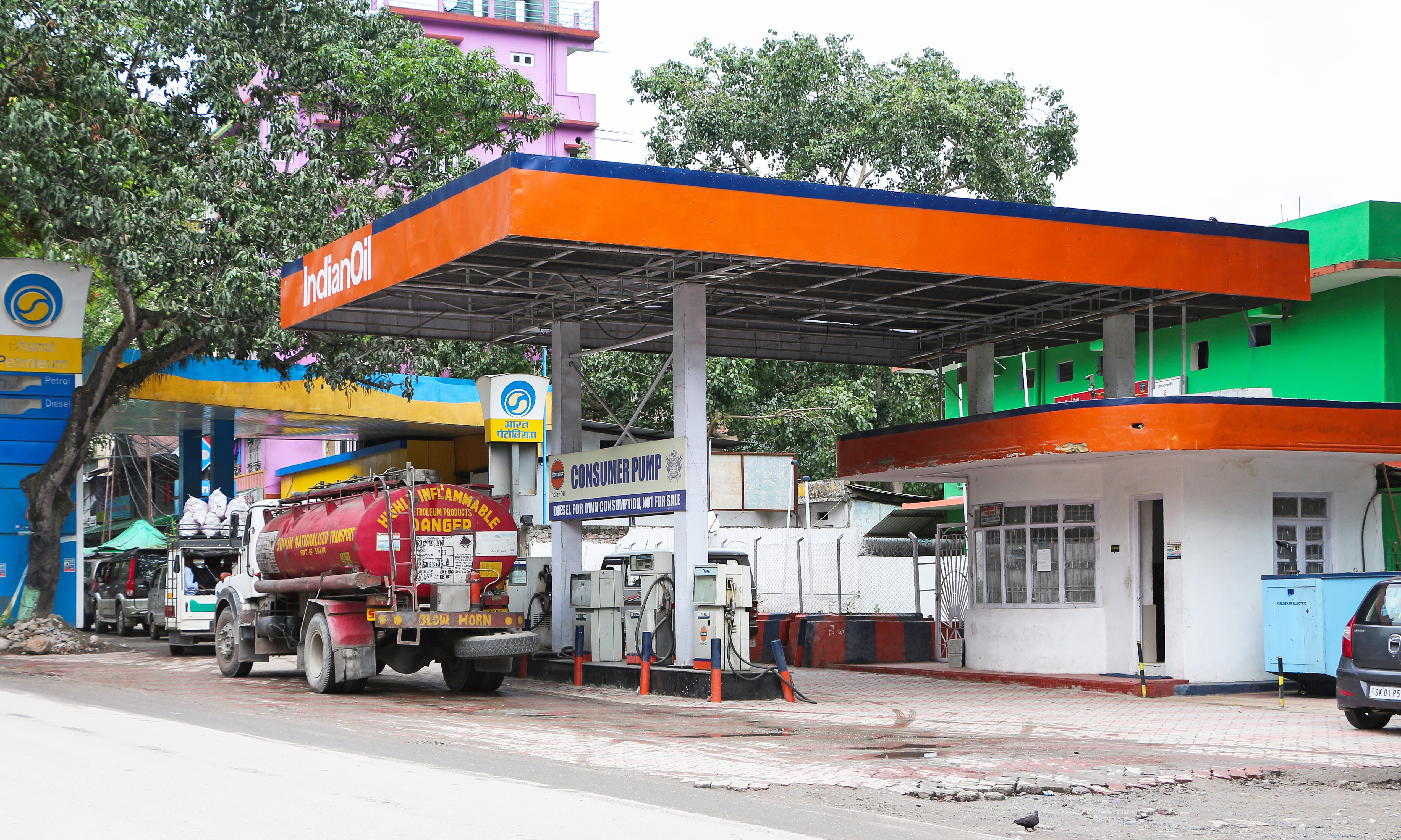
Despite the volatility in the global market, retail fuel prices in major Indian cities remained unchanged on May 7 [2]. In Delhi, petrol was priced at ₹106.5 per litre and diesel at ₹95.0 per litre [2]. These stable rates were observed across other major hubs, including Mumbai, Kolkata, Bengaluru, Chennai, and Gurgaon [2].
Industry analysts note that the Strait of Hormuz is vital to energy security, as approximately 20% of the global oil supply transits through the waterway [3]. While some reports suggested retail prices were beginning to rise, other data indicated that domestic rates held steady [1, 2].
A spokesperson for India's Ministry of Petroleum and Natural Gas said the government is closely monitoring global crude movements but has not altered domestic fuel taxes at this time [2]. This decision to maintain tax levels has effectively buffered Indian consumers from the immediate price spikes seen in the Brent crude market [2].
“The blockade is intended to pressure Iran and will inevitably tighten global oil markets.”
The decoupling of global crude prices from Indian retail rates suggests that the Indian government is using fiscal levers, such as maintaining current tax structures, to prevent geopolitical volatility from triggering domestic inflation. However, because the Strait of Hormuz handles roughly one-fifth of the world's oil, a sustained blockade could eventually exhaust these buffers and force a price correction at the pump.