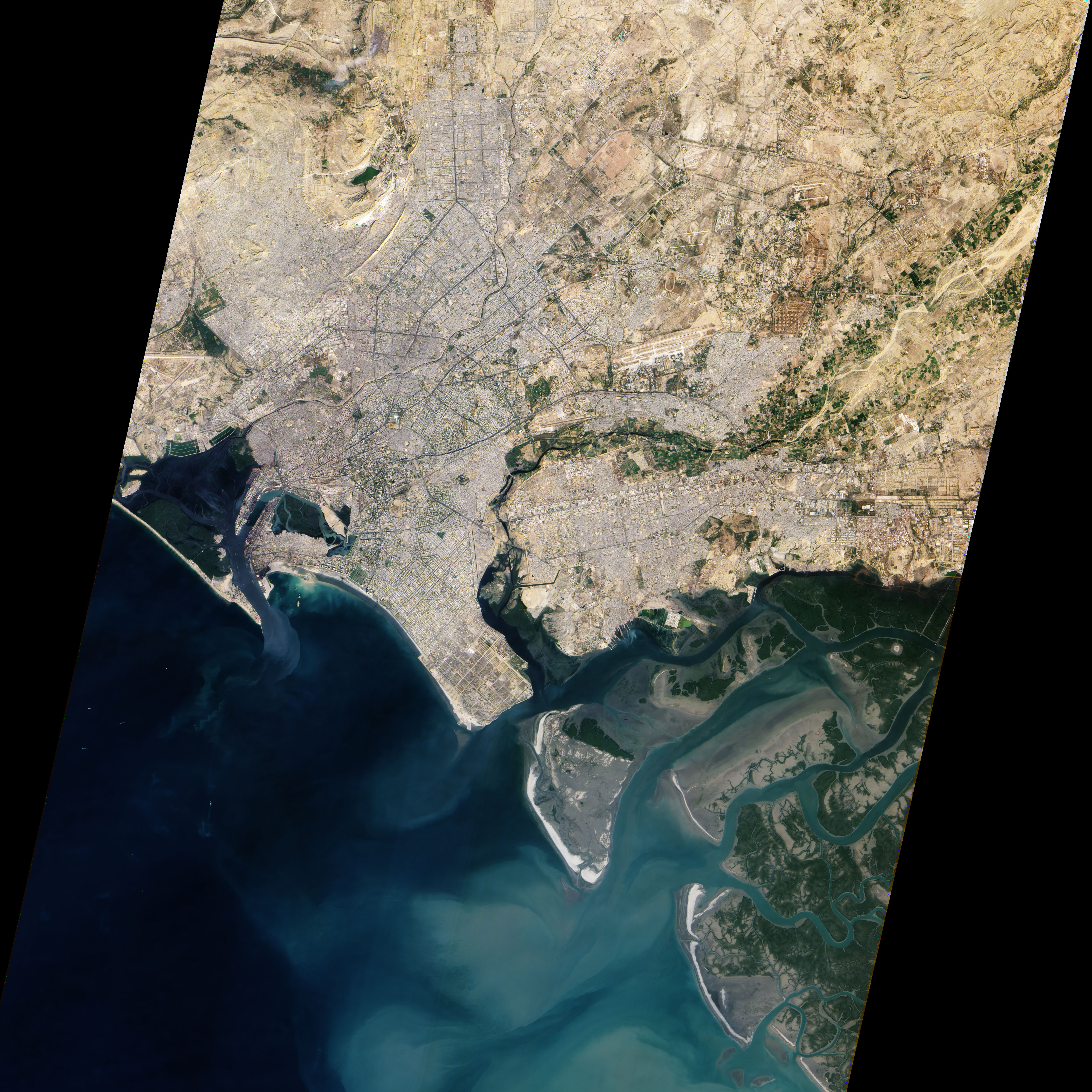
The United States sent a new diplomatic text to Iran through Pakistani intermediaries this week [1].
This exchange represents a critical attempt to establish a joint framework to de-escalate regional tensions. The negotiations focus on high-stakes objectives, including the removal of sanctions, the unfreezing of assets, and the lifting of the blockade on the Strait of Hormuz [4].
The U.S. proposal comes as a direct response to a previous draft submitted by Tehran. A source close to the Iranian negotiation team said that Tehran had delivered a proposal consisting of 14 points [2] via Pakistani mediation [2].
"The United States sent a new text via Pakistan in response to our text," the source said [1].
Pakistan has emerged as the primary conduit for these communications, facilitating the transfer of documents between the two nations. This indirect channel allows both parties to test the waters of a potential agreement without the political risks of direct bilateral summits.
Officials in Tehran are now reviewing the American text to determine if it aligns with their requirements for sanction relief. The process remains intensive as both sides seek a path toward stabilizing the region, and securing maritime trade routes [4].
"Tehran delivered a 14-point proposal to America via Pakistani mediation," the source said [2].
“The United States sent a new text via Pakistan in response to our text”
The reliance on Pakistan as an intermediary suggests that while both the U.S. and Iran are seeking a diplomatic exit from current tensions, they lack the political trust or diplomatic infrastructure for direct engagement. The focus on the Strait of Hormuz indicates that maritime security and global energy markets are the primary drivers for this sudden diplomatic activity.