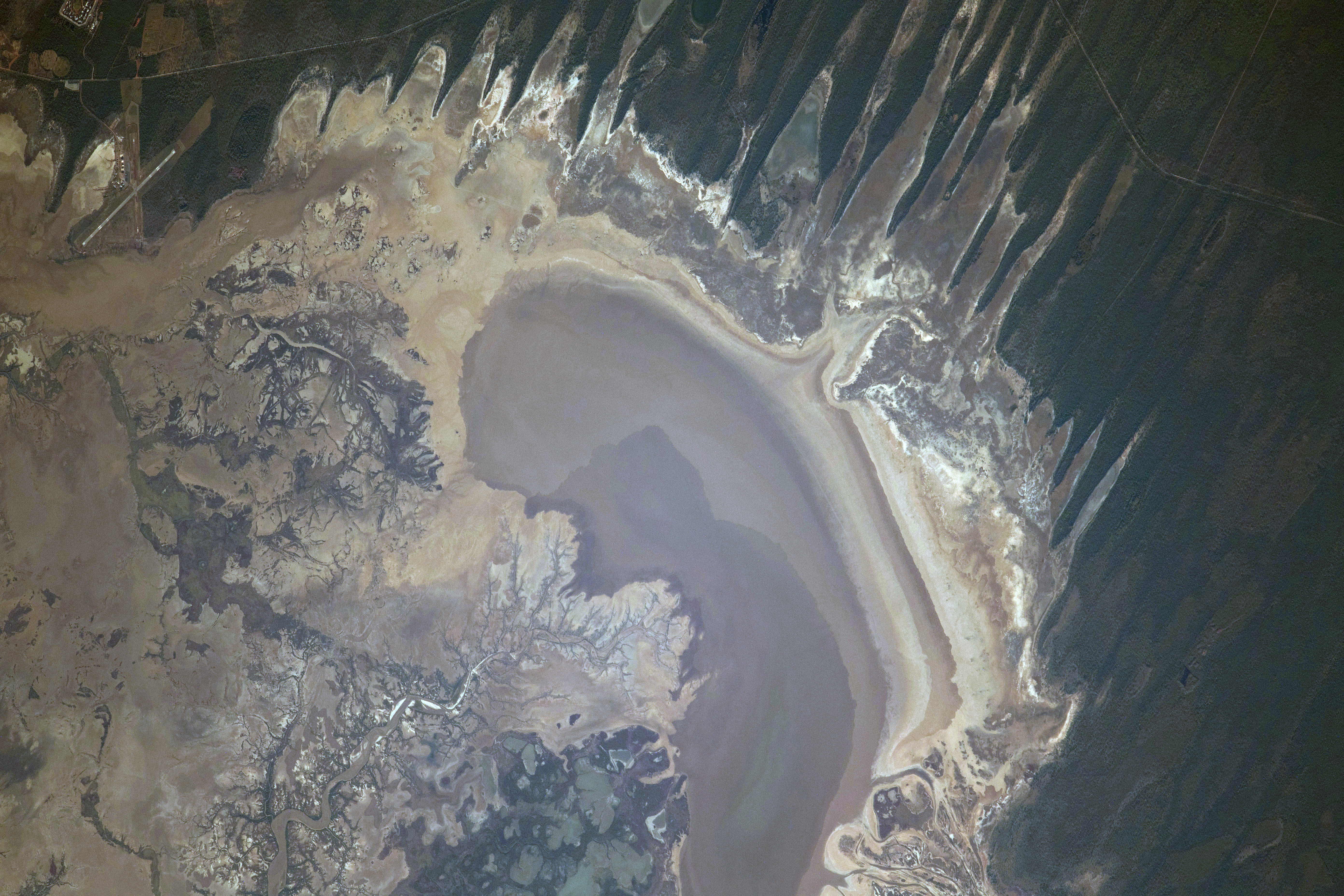
The Western Australian government released a draft Fitzroy-Derby water management plan for public consultation on April 3, 2026 [1].
The initiative comes as a response to growing concerns regarding water extraction and the long-term ecological health of the river system. Because the Fitzroy River is a critical environmental asset, the framework seeks to balance the needs of various stakeholders, including pastoralists and indigenous groups.
The draft plan focuses on creating a sustainable approach to water use in the Fitzroy River region. By opening the document for public comment, the government aims to gather feedback on how to best safeguard the waterway from depletion. This process is intended to prevent the river from suffering similar ecological degradation seen in other major Australian water systems.
Despite the release of the draft, the plan faces scrutiny from traditional owners and environmental organizations. These groups said the current proposals do not go far enough to protect the river from excessive water extraction. The tension highlights a divide between the government's regulatory approach and the more stringent protections demanded by conservationists.
The consultation period allows stakeholders to submit evidence and suggest modifications to the management strategy. The government is tasked with integrating this feedback to ensure the final plan provides a robust shield against over-extraction, while supporting local industry needs.
The river remains a focal point for environmental activism in Western Australia. Critics of the draft plan said that without stronger limits on water take, the river's health will continue to decline over time.
“The Western Australian government released a draft Fitzroy-Derby water management plan for public consultation on April 3, 2026.”
The release of this draft plan signifies a formal attempt by the state to regulate a previously contentious water resource. However, the pushback from traditional owners suggests that a regulatory framework may not be sufficient if it does not include strict, legally binding limits on water extraction to avoid the ecological failures seen in the Murray-Darling Basin.