
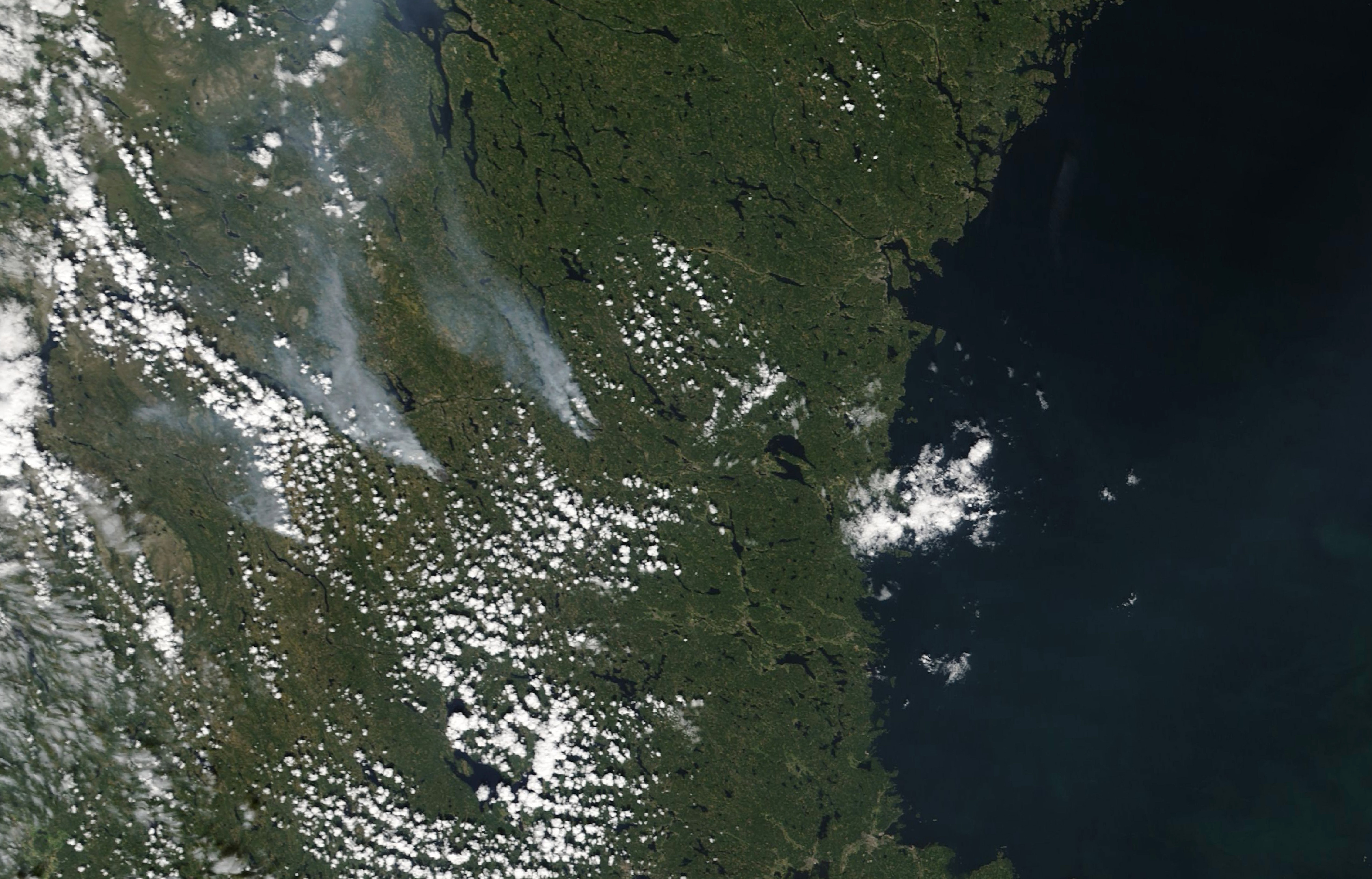
An unseasonal heat wave has gripped Western Europe, setting record May temperatures across the United Kingdom and France [1].
The event highlights the increasing danger of extreme weather patterns occurring outside of traditional summer months. This shift puts public health and outdoor activities at risk before infrastructure and seasonal planning can adapt.
Meteorologists said the cause is a "heat dome" that has settled over the region [1]. This atmospheric phenomenon traps hot air over a specific area, preventing it from dispersing and driving temperatures to record levels for the month of May [2]. The heat has been most intense across the UK and France [1].
The extreme weather has already had fatal consequences. In France, people died during amateur sports events as participants struggled with the unexpected heat [3]. These incidents have prompted officials to issue warnings regarding the dangers of physical exertion during unseasonal temperature spikes [3].
Experts link the increasing frequency and intensity of these extreme heat events to global warming [1]. The pattern suggests that the window for "mild" spring weather is shrinking, replaced by volatile shifts toward summer-like conditions earlier in the year [3].
Local authorities in the affected regions continue to monitor the situation. The focus remains on protecting vulnerable populations, and adjusting the timing of public outdoor gatherings to avoid peak heat hours [2].
“An unseasonal heat wave has gripped Western Europe, setting record May temperatures across the United Kingdom and France.”
The emergence of a heat dome in May signifies a shift in seasonal norms for Western Europe. When record-breaking heat occurs before the typical summer peak, it creates a critical gap in public preparedness, as seen with the fatalities at amateur sports events. This trend underscores the broader impact of global warming, where the unpredictability of extreme weather poses a direct threat to public safety and health infrastructure.


